







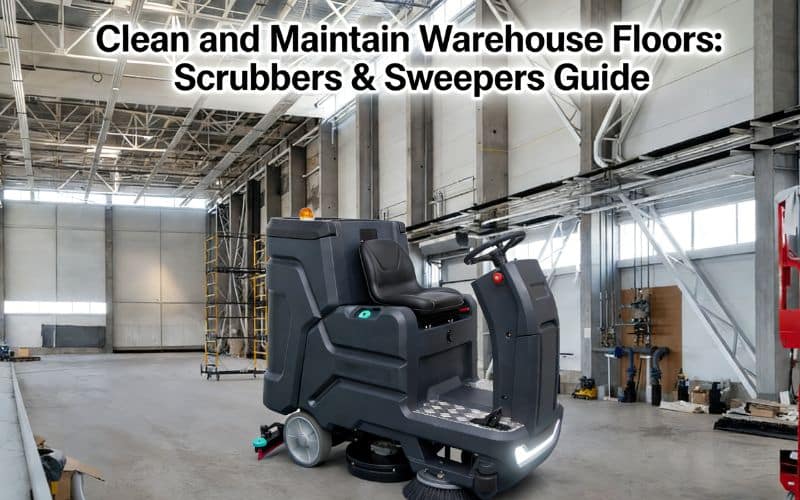
A warehouse floor represents a significant investment in your facility’s operational backbone. As a leading manufacturer of industrial cleaning equipment, we understand that proper maintenance is crucial for protecting this investment, ensuring employee safety, and maximizing efficiency. Warehouse floors are subjected to unique stresses—from heavy forklift traffic and chemical spills to constant dust and debris—that are far more demanding than typical commercial surfaces. Understanding the best cleaning methods is essential for longevity.
This comprehensive guide will walk you through standard methods for deep cleaning and maintaining warehouse floors using industrial scrubbers and sweepers. We will also cover how to properly prepare your floor for cleaning and what to consider when choosing the right equipment for your specific needs.
Preparing Your Warehouse Floors for Cleaning
Proper preparation is the most critical step in any cleaning process, ensuring effective results while protecting your floor investment. The time invested in preparing the surface often determines the success of your cleaning efforts, preventing damage and maximizing the efficiency of your scrubbers and sweepers.
Initial Assessment and Documentation
Before any cleaning begins, thoroughly examine your floor and note any areas that require special treatment. In general, high-traffic aisles, loading docks, and areas around machinery are more prone to heavy soiling, oil or chemical stains, and damage such as cracks or spalling. Documenting these existing issues is crucial to developing an effective cleaning plan. Once you have a clear picture of the floor’s condition, you can select the appropriate cleaning solutions and equipment settings to address each problem area without causing further harm.
Clearing the Area
After compiling your list of problematic spots, it is time to clear the area completely. Remove all pallets, inventory, machinery, and other obstacles from the floor space to be cleaned. Make a note of their original placement to ensure everything can be returned accurately once the floor is dry. This step not only provides unobstructed access for your cleaning equipment but also reveals areas previously hidden under racking or equipment that may need extra attention. Add these newly discovered spots to your list to stay organized and ensure a thorough clean.
Testing Cleaning Solutions
Finally, take the crucial step of testing your chosen cleaning solutions, even if you have used them before on other surfaces. Select a small, inconspicuous area of your warehouse floor and perform a complete test of your intended cleaning process. Apply the solution, scrub if necessary, and allow it to dry completely before cleaning the rest of the floor. This careful approach helps prevent unwanted surprises, such as discoloration, etching, or damage to the floor’s sealant, ensuring the chosen chemical is compatible with your specific concrete or epoxy surface.
Deep Cleaning Methods for Warehouse Floors
Regular maintenance keeps your warehouse floors looking presentable, but eventually, every floor requires deep cleaning to remove embedded grime, oil, and tire marks, restoring its original appearance and safety. There are two highly effective deep cleaning methods that preserve the integrity of industrial floor surfaces while delivering superior results. Whether you are dealing with heavily soiled areas that require thorough restoration or seeking a solution to remove layers of dust, these professional approaches ensure your floor is properly maintained.
Wet Scrubbing with Floor Scrubbers
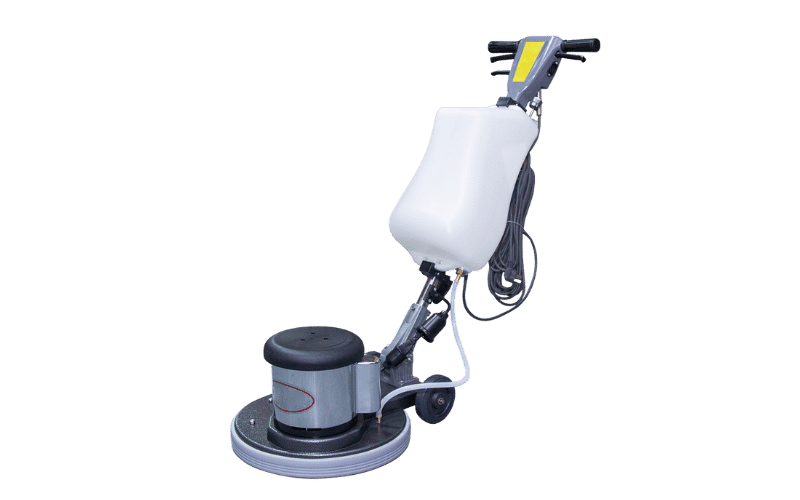
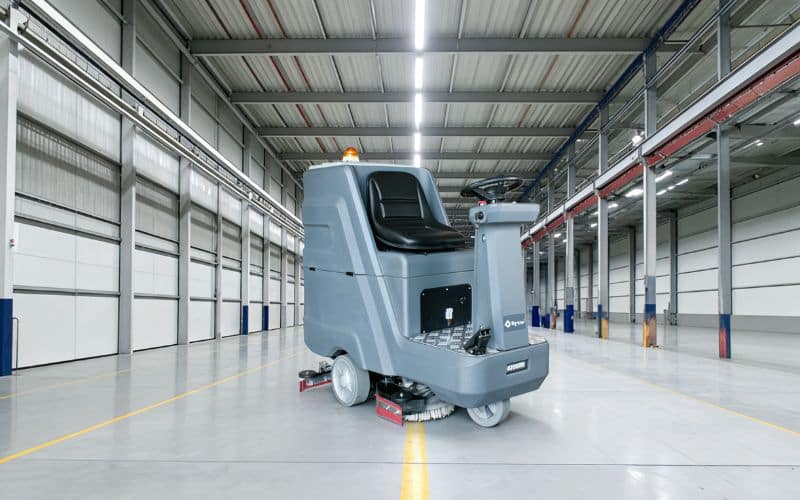
Wet scrubbing is the most thorough method for deep cleaning warehouse floors. It penetrates deeply into the pores of concrete or coatings to remove embedded soil, grease, and stubborn stains, restoring the floor’s original appearance and slip resistance. This method uses a combination of water, a powerful cleaning solution, and the mechanical action of a floor scrubber’s brushes. It is typically the best method for heavily soiled areas, high-traffic forklift aisles, and spaces where oil and other liquids have been spilled.
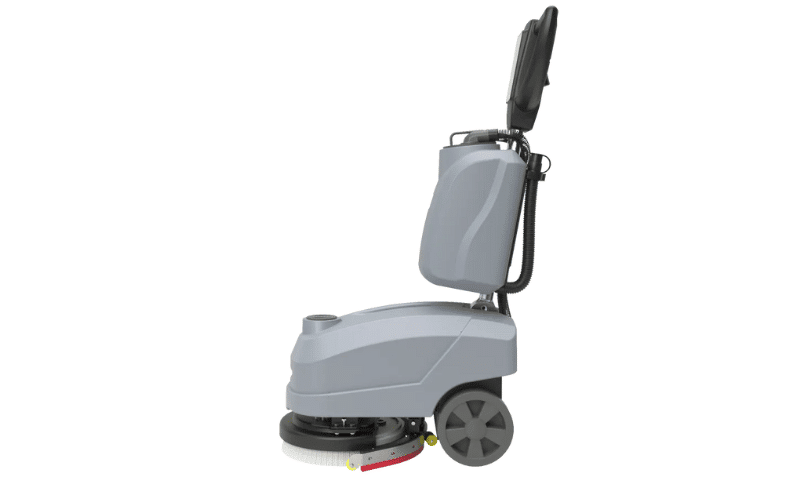
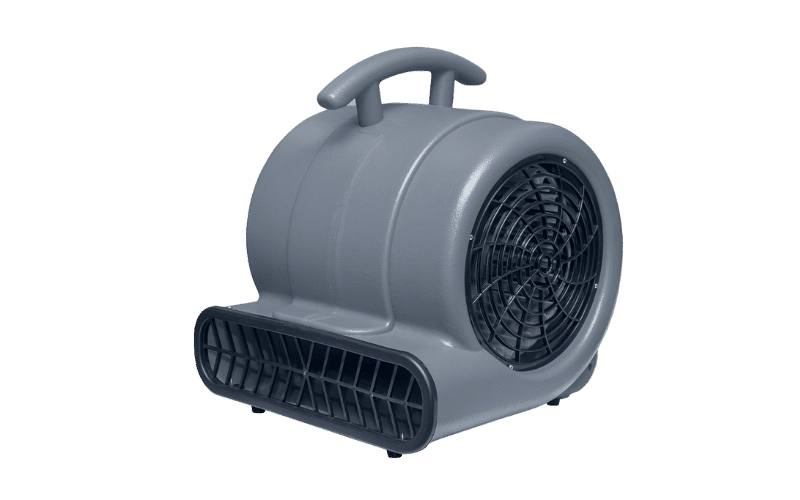
To perform wet scrubbing, begin by thoroughly sweeping the area with an industrial sweeper to remove as much large debris, dust, and loose dirt as possible. This prevents the scrubber from turning dirt into mud. Pre-spray any heavily stained areas with a degreaser or appropriate cleaning solution, allowing the chemical to dwell long enough to break down the soil. Then, using a professional-grade ride-on or walk-behind floor scrubber, make slow, overlapping passes across the floor. The machine will dispense the cleaning solution, scrub the floor with its brushes, and vacuum up the dirty water with its squeegee in a single pass. Work in manageable sections and ensure the squeegee is functioning correctly to leave the floor as dry as possible. Use air movers to speed up drying time before allowing traffic back on the floor.
Dry Sweeping with Industrial Sweepers
Perfect for facilities with restricted water usage or for removing large quantities of dry debris, dry sweeping with an industrial sweeper is a fast and efficient cleaning method. Unlike wet scrubbing, this process uses powerful brushes and a vacuum system to lift and contain dust and debris without introducing any moisture to the floor. It is an ideal first step before scrubbing or as a standalone solution for maintaining cleanliness in environments such as distribution centers, woodworking shops, or other areas prone to significant dust accumulation.
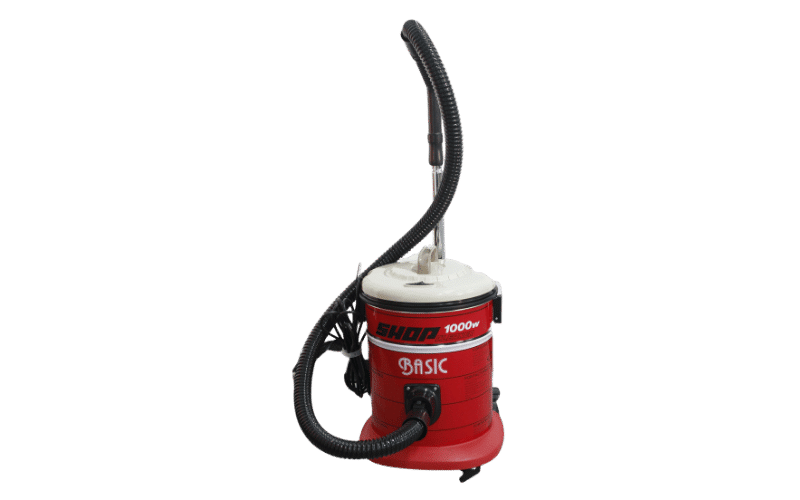
To perform an effective dry sweep, start by pre-inspecting the area for any large objects that could damage the sweeper, such as broken pallet fragments or metal straps, and remove them manually. Using a ride-on or walk-behind industrial sweeper, make overlapping passes across the entire floor. The main broom will agitate and lift debris, while side brooms pull dirt away from walls and racking. A powerful vacuum and filtration system captures fine dust, preventing it from becoming airborne and resettling. For a truly deep clean, you may want to follow up with a smaller vacuum to detail edges and corners.
Maintenance Cleaning Methods for Warehouse Floors
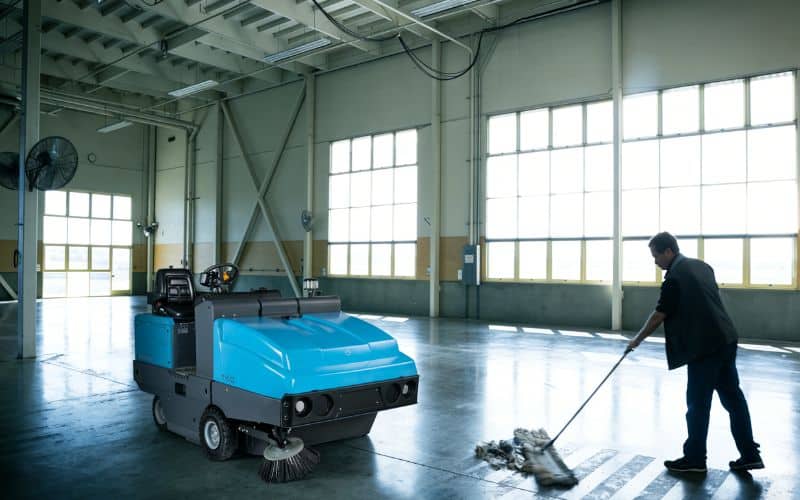
Between deep cleanings, regular maintenance is essential to preserve your floor’s appearance, prevent grime buildup, and extend its lifespan. These interim methods help manage daily dirt and spills with minimal disruption.
Encapsulation Cleaning for Light Maintenance
Modern encapsulation cleaning offers excellent interim results with minimal water usage and disruption. This method is best used for maintenance cleaning on sealed or coated concrete floors, as it effectively removes light to moderate soiling without the long drying times of deep scrubbing. The process uses a special polymer-based cleaning solution that crystallizes around dirt particles.
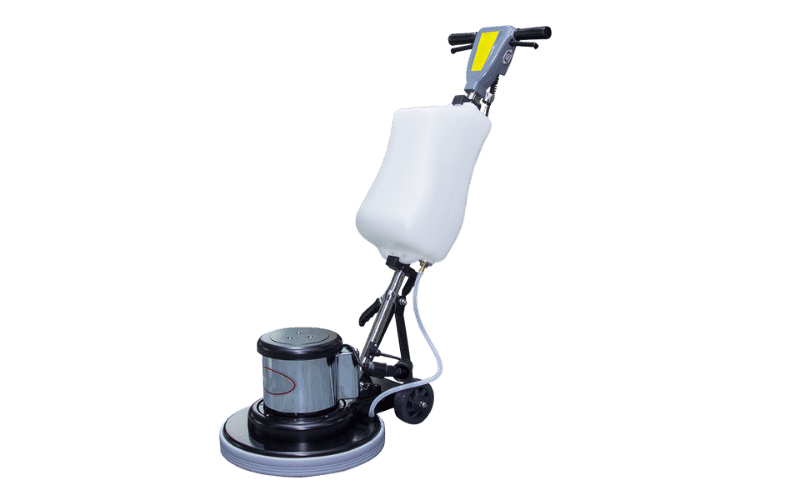
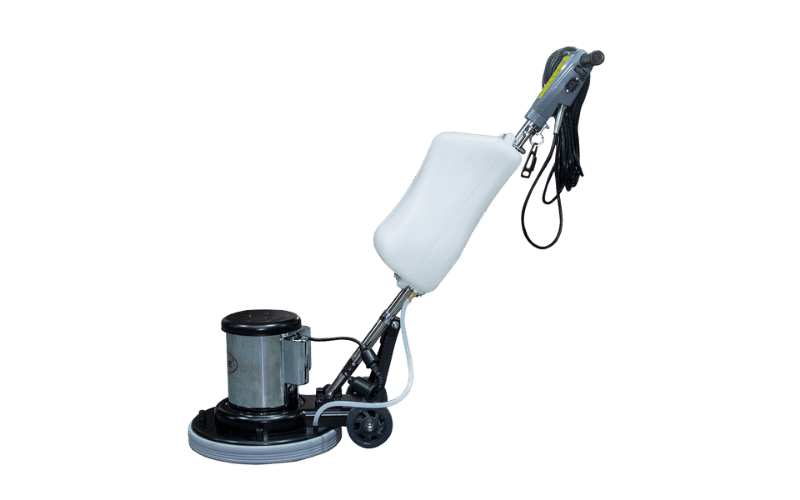
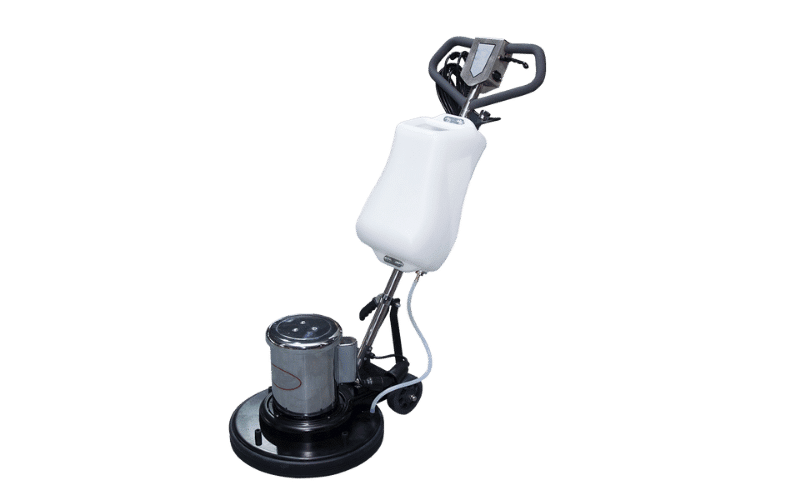
To perform encapsulation cleaning, begin with a thorough sweep or vacuuming to remove loose debris. Apply the encapsulation solution using a pump sprayer or through the scrubber itself. Work the solution into the floor using a cylindrical or rotary brush machine, such as a floor scrubber, with the vacuum off. The polymers in the solution will encapsulate soil particles as they dry. Allow the floor to dry for about 30-60 minutes. The crystallized particles will not be sticky and can be removed during the next routine dry sweep or vacuuming, leaving the floor clean and bright.
Spot Cleaning for High-Traffic Areas
Spot cleaning is crucial for managing spills and stains in high-traffic zones before they become permanent or create safety hazards. This method focuses on treating isolated areas quickly without cleaning the entire warehouse. It is especially effective for oil, chemical, or product spills that occur throughout the workday.
To perform spot cleaning, first identify the spots and determine the nature of the spill. For liquid spills, absorb as much as possible with an absorbent material. Apply an appropriate cleaning solution or degreaser directly to the stain. Using a stiff-bristled brush or a small walk-behind scrubber, agitate the area to lift the stain from the floor surface. Once the stain is lifted, wipe or vacuum up the residue. Rinse the area with a small amount of clean water, then dry it thoroughly to prevent slip-and-fall accidents.
Choosing the Right Equipment for Your Warehouse Floors
Understanding proper cleaning methods is essential, but having the right equipment is what makes them effective. Walk-behind and ride-on floor scrubbers are the workhorses of warehouse floor cleaning. Walk-behind models are ideal for smaller warehouses, tight aisles, and maneuvering around obstacles. They offer excellent control and are easy to operate. For large facilities over 20,000 square feet, ride-on scrubbers are a necessity. They cover vast areas quickly, reducing operator fatigue and dramatically cutting cleaning times.
Industrial sweepers are designed to handle the heavy debris common in warehouse environments. Manual push sweepers are great for small areas or quick cleanups, but for most warehouses, a powered sweeper is essential. Walk-behind sweepers are effective for medium-sized spaces, while large ride-on sweepers are built to handle the demands of massive distribution centers, efficiently collecting everything from fine dust to wood chips and plastic wrap.
When selecting equipment, consider key factors like your floor type (sealed concrete, epoxy, or polished concrete), the total square footage of your facility, and the type of debris you handle. The size of your aisles will determine whether a compact walk-behind or a larger ride-on machine is more appropriate. Finally, consider your cleaning frequency. A warehouse with constant forklift traffic will require more robust, more frequent cleaning than one with lighter use, which will influence your choice of machine size and power.
Frequently Asked Questions About Cleaning Warehouse Floors
What is the best way to remove forklift tire marks from a concrete floor?
Tire marks can be removed using a floor scrubber with an aggressive pad or brush, along with a heavy-duty degreasing solution. Apply the solution to the marks, let it dwell for a few minutes, then scrub the area thoroughly. For very stubborn marks, multiple passes may be needed.
How often should a warehouse floor be deep-cleaned?
The frequency of deep cleaning depends on traffic levels and the type of operations in the warehouse. A high-traffic facility might require deep scrubbing quarterly or even monthly, while a lower-traffic warehouse may only need it once or twice a year. Regular daily sweeping and spot cleaning will extend the time between deep cleans.
Can I use the same machine for sweeping and scrubbing?
Yes, combination sweeper-scrubber machines are available. These versatile machines first sweep up dry debris into a hopper and then scrub the floor in a single pass. They are an excellent solution for facilities looking to maximize efficiency and save on equipment costs.
Conclusion
Properly cleaning and maintaining your warehouse floors is not just about aesthetics; it is a critical component of a safe, efficient, and productive operation. By implementing a consistent cleaning program that includes daily maintenance, spot cleaning, and periodic deep cleaning with the right industrial scrubbers and sweepers, you can protect your flooring investment, prevent accidents, and ensure your facility operates at its best for years to come.