







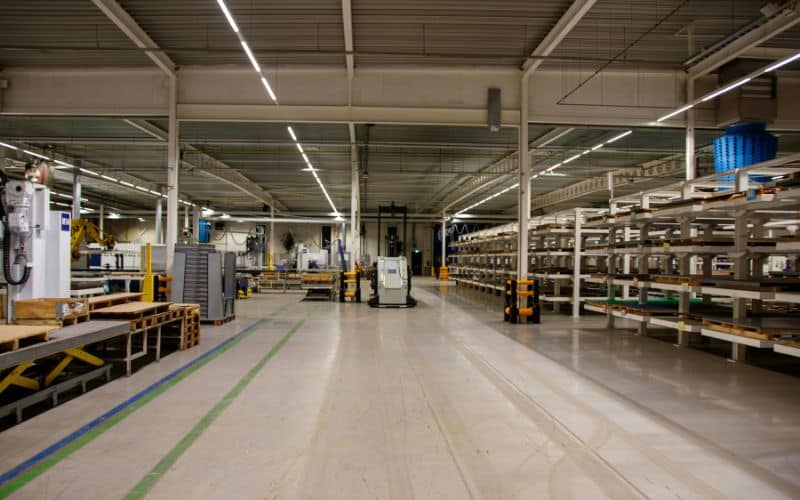
The industrial cleaning sector stands at a pivotal crossroad, facing a unique convergence of challenges and opportunities that are reshaping the landscape. The demand for higher hygiene standards—driven by post-pandemic awareness and stricter regulations in sectors from healthcare to manufacturing—is at an all-time high. Yet, the industry’s capacity to deliver is often constrained by a chronic shortage of skilled labor, rising operational costs, and the need for faster turnaround times. This widening mismatch between the escalating demand for pristine environments and the limited capacity of traditional cleaning methods has turned the concept of “doing more with less” from a mere catchphrase into an urgent business imperative. It is pushing facility managers and cleaning service providers to radically reimagine how sanitation work gets done.
The future of industrial cleaning is not about working harder; it is about working smarter through the adoption of transformative technologies. We are witnessing a shift where disconnected, manual processes are being replaced by a cohesive ecosystem of innovation. The trends defining 2026 and beyond are anchored in integration, intelligence, and automation. From modular equipment designs that maximize uptime to AI-driven robotics that optimize cleaning routes in real-time, the industry is moving toward a model where precision replaces guesswork. This article explores the top trends driving this evolution, examining how modularity, robotics, smart supply chains, and workforce transformation are collectively building a cleaner, more efficient future.
The Future of Industrial Cleaning is Integrated, Intelligent, and Automated
The future of industrial cleaning is integrated, intelligent, and automated, and it is already taking shape on factory floors and in commercial complexes worldwide. Just as the construction industry is embracing industrialized delivery models, the cleaning industry is moving away from isolated, standalone machines toward a connected ecosystem. Integration is the new standard, where floor scrubbers and sweepers are no longer just tools but active nodes in a facility’s digital network. These machines connect seamlessly with Building Management Systems (BMS), enabling synchronized operations in which cleaning schedules align automatically with facility usage patterns, ensuring that resources are deployed exactly when and where they are needed most.
Intelligence is the engine driving this integrated approach, transforming passive equipment into smart assets capable of decision-making. With the widespread adoption of the Internet of Things (IoT), modern industrial cleaners are equipped with advanced sensors that monitor performance metrics in real time. This intelligence allows machines to self-diagnose mechanical issues before they lead to breakdowns, track consumable usage like water and detergent to prevent waste, and even analyze floor conditions to adjust scrubbing pressure automatically. This shift from reactive maintenance to predictive insights allows facility managers to optimize their fleets, ensuring that every machine operates at peak efficiency and contributes to a smarter, data-driven cleaning strategy.
Automation completes this triad, fundamentally altering the execution of cleaning tasks. While fully autonomous robots are the most visible aspect of this trend, automation also permeates manual equipment through assisted technologies. Advanced driver-assist systems on ride-on scrubbers, automated chemical dosing, and self-regulating water flow systems are becoming standard features that reduce human error and fatigue. This progression toward automation creates a cleaning environment where consistency is guaranteed, safety is enhanced, and human operators are supported by intelligent systems that handle the repetitive, mundane aspects of the job, allowing the workforce to focus on higher-value tasks.
Modular Cleaning Equipment: The Backbone of Efficiency
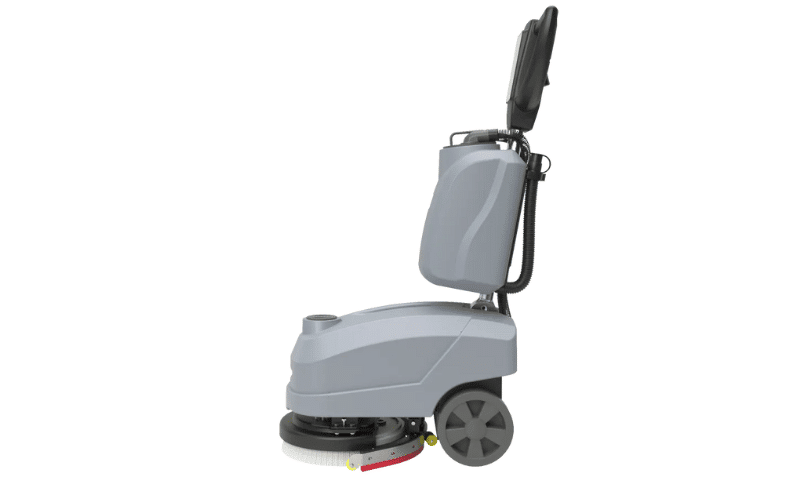
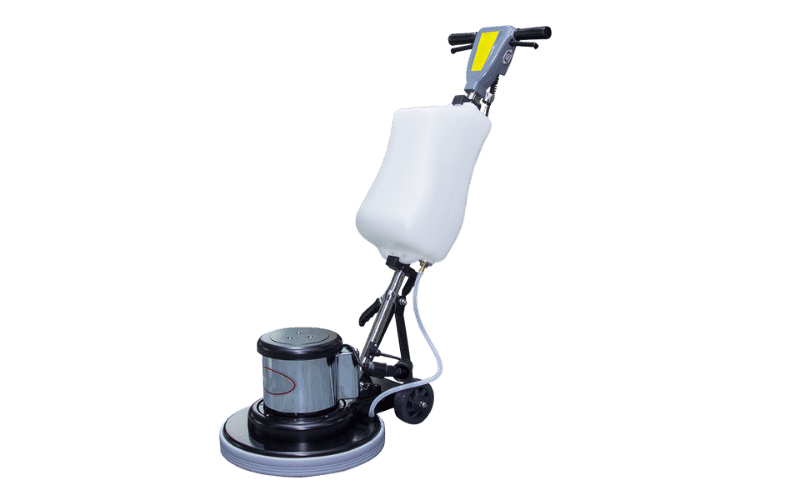
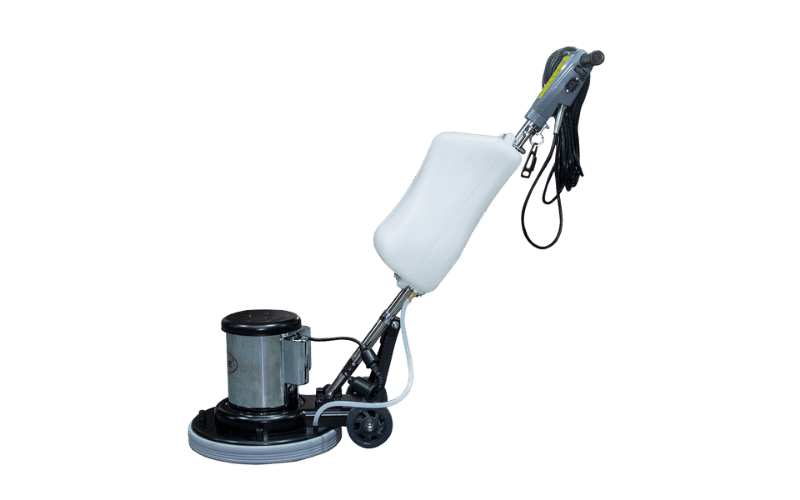
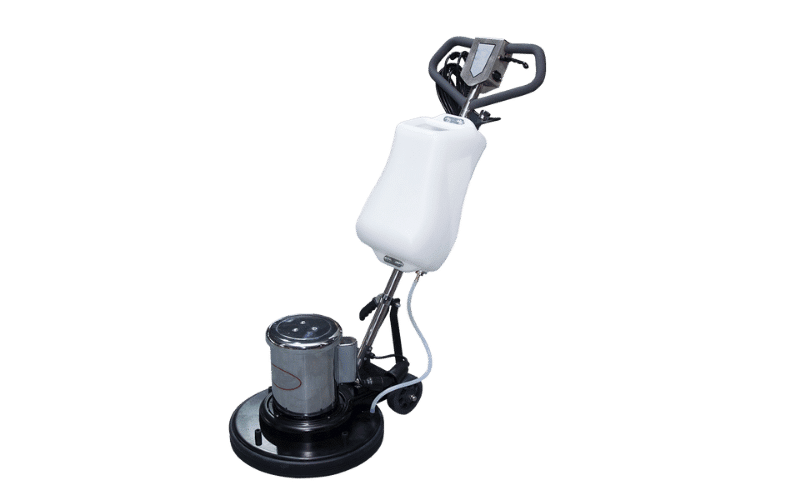
Modular design has emerged as one of the industry’s most effective answers to the challenges of downtime and maintenance versatility. By shifting away from rigid, single-purpose machine architectures to flexible, modular platforms, manufacturers are enabling cleaning operations to gain unprecedented speed and predictability. In this context, modularity refers to the ability to quickly swap out key components—such as brush decks, battery systems, or squeegee assemblies—without specialized tools. What began as a convenience feature is quickly becoming the backbone of a new efficiency model in industrial cleaning, ensuring that a single chassis can be adapted for multiple cleaning applications, from sweeping debris to deep scrubbing, simply by changing a module.
Consider the operational impact of a modular floor scrubber in a high-traffic logistics center. In a traditional setup, if a machine’s scrubbing motor fails or if the facility needs to switch from cylindrical brushes for debris to disc brushes for polishing, the machine would often be out of commission for days, or a second machine would need to be rented. With modular equipment, these changes happen in minutes. A technician—or even the operator—can slide out the old deck and insert the new one, drastically compressing maintenance schedules and virtually eliminating rework caused by using the wrong tool for the job. For facility owners, this means fewer backup machines are required, capital expenditure is optimized, and the “right tool” is always available.
The financial and operational appeal of this approach is clear and compelling. Standardized modules can be manufactured at scale and stocked easily, cutting the time and cost associated with repairs and parts procurement. This factory-style approach to equipment design eliminates many of the field’s biggest pain points, including extended downtime due to parts unavailability and the high cost of specialized service calls. For cleaning contractors and facility managers, the result is greater certainty across schedule, cost, and quality—a combination that defines competitiveness in the modern cleaning sector. By treating the machine as a platform rather than a static product, modularity ensures that cleaning equipment remains resilient and adaptable to changing facility needs.
AI and Robotics Revolutionizing Industrial Cleaning
Prefabricated and modular components may serve as the hardware foundation, but the full potential of modern cleaning comes to life when paired with Artificial Intelligence (AI) and robotics. These technologies are fundamentally transforming how cleaning projects are planned, executed, and optimized. AI serves as the brain behind the operation, using complex algorithms to analyze floor plans, identify high-traffic areas, and generate the most efficient cleaning paths to minimize energy consumption and time.
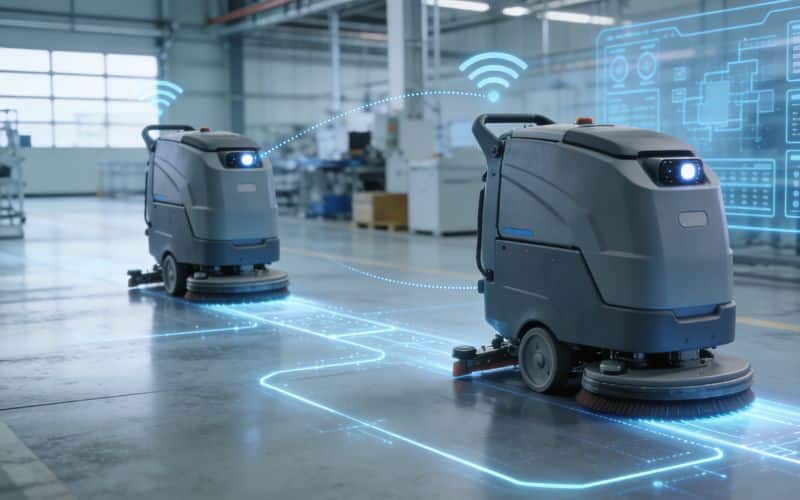
Robotics and automation, particularly Autonomous Mobile Robots (AMRs), are the visible workforce of this revolution. Autonomous floor scrubbers are no longer futuristic novelties; they are being deployed in airports, malls, and warehouses globally to reduce labor intensity and improve safety. These robots use LiDAR and visual SLAM to navigate dynamic environments safely, avoiding obstacles and people while maintaining a consistent cleaning standard that is difficult to achieve manually. By handling large, monotonous floor spaces, these robots free up human staff to tackle complex, detailed cleaning tasks that require dexterity and judgment, effectively multiplying the productivity of the existing workforce.
Real-time data and simulation tools further amplify these advantages by creating a digital feedback loop. “Digital twins” of facility floors allow managers to test “what-if” scenarios virtually—such as changing cleaning frequencies or routes—to optimize logistics without disrupting actual operations. This data-driven approach identifies bottlenecks early, such as areas that consistently require double passes or times of day when cleaning causes congestion, enabling faster decisions and fewer operational overruns. The ability to visualize cleaning coverage ensures that hygiene standards are met with mathematical precision.
That feedback loop is already saving significant hours on real-world sites. In large-scale logistics hubs, autonomous scrubbers integrated with AI analytics have significantly reduced cleaning cycles. Real-time data analysis helps track project progress and optimizes scheduling, cutting overall cleaning time by 10-15% in some cases. This efficiency enables contractors to meet strict hygiene deadlines and stay under budget, proving that integrating AI and robotics is not just an operational upgrade but a financial necessity for future-proofing industrial cleaning operations.
Smart Supply Chains in Cleaning Equipment
It is not enough for the industrial cleaning industry to build smarter machines; it must also manage uncertainty differently. Even the most advanced floor scrubber is useless if a critical replacement part doesn’t arrive on time or if consumable costs spike unexpectedly. As the adoption of sophisticated cleaning technology grows, so too does the need for supply-chain intelligence—another force driving the sector’s efficiency. Manufacturers and distributors are turning to digital control towers that provide real-time visibility from component suppliers to facility sites. Predictive logistics tools help fleet managers anticipate the need for brushes, squeegees, and batteries before they wear out, managing volatility in availability and ensuring service continuity.
Leaders in the cleaning equipment sector are reinforcing the digital backbone behind their supply chains to combat disruptions. Many are increasing investment in technology infrastructure and data centers, evidence that resilience in cleaning operations now depends as much on information flow as on the physical flow of detergents and spare parts. Paired with industrialized methods such as standardized modular components, just-in-time manufacturing, and synchronized logistics, these systems enable cleaning fleets to operate with fewer delays and greater cost certainty. When a machine detects a part is nearing end-of-life, the smart supply chain can automatically trigger an order, ensuring the part arrives exactly when needed.
As companies look beyond efficiency to resilience, many are also bringing production closer to demand. This regionalization trend is driven by the need to reduce logistics costs and gain greater control over inventory. Regionalizing the assembly of cleaning machines and the warehousing of consumables enhances visibility, shortens lead times, and links manufacturing plants more directly to end users. In short, supply chain resilience is becoming a function of data and geography. When supply-chain precision meets the demands of high-volume industrial cleaning, operational timelines stabilize, and that stability is fast becoming a key differentiator in a volatile market.
Workforce Transformation in Industrial Cleaning
Technology alone won’t close the cleaning industry’s capability gap; the true driver of success lies with people and how they are trained, organized, and supported. The deployment of autonomous scrubbers and AI-driven systems requires a new breed of operator—technicians, data analysts, and robotics fleet managers—not just traditional janitorial staff. This shift means companies must invest heavily in reskilling programs to transition experienced workers into these digital and automated roles. Forward-thinking cleaning firms are already implementing such programs, recognizing that the operator of 2026 will need to be as comfortable with a touchscreen interface and data dashboard as they are with a mop handle.
Equally important is the realization that automation is augmenting, not replacing, human talent. Robots are best suited to handle high-risk, high-repetition tasks like scrubbing miles of warehouse concrete, freeing people for work that requires judgment, coordination, and detailed attention, such as sanitizing high-touch surfaces or managing unexpected spills. The future cleaning crew is a blend of skilled professionals, AI-enabled supervisors, and robotic counterparts. This collaboration enhances productivity and elevates the status of the cleaning profession, moving it toward a more technical, managed-service discipline.
This evolution can also broaden the talent pool for the industrial cleaning sector. The introduction of robotics and advanced tech makes the job safer and less physically taxing, helping attract younger digital natives who might not have considered a career in facility services. The result is a stronger, more resilient workforce ready to thrive in a more automated, data-driven environment. By reducing the physical toll on workers and offering career paths in robotics management, the industry can address high turnover rates and build an engaged workforce capable of leveraging the full potential of new technologies.
Sustainability and Resilience in Cleaning Practices
Stronger, cleaner, smarter infrastructure defines the next era of value in industrial cleaning. The push for sustainability is no longer optional; it is a regulatory and social requirement. New modular and digital delivery models inherently support this shift toward greener practices. Advanced floor scrubbers are being designed to drastically reduce water and chemical usage through precision dosing systems and recycling capabilities. Factory-controlled environments for equipment manufacturing reduce waste, while the machines themselves are engineered to cut carbon emissions through energy-efficient battery systems and optimized cleaning paths. This shift limits the environmental footprint of cleaning operations and helps firms meet growing community and regulatory expectations regarding water conservation and chemical runoff.
Just as important, modularization builds long-term adaptability into the cleaning infrastructure itself. Standardized components can be replaced or reconfigured to upgrade a machine’s capabilities rather than scrapping the entire unit, significantly reducing electronic waste. Digital twins and real-time data tracking enable owners to monitor the environmental performance of their fleets, tracking carbon impact and water usage across the asset life cycle. This data provides the transparency needed to accurately report on ESG (Environmental, Social, and Governance) goals.
Financial and operational resilience follow suit. Predictable costs, longer equipment lifecycles, and safer working conditions strengthen investor confidence and align with the evolving risk frameworks of global corporations. In an industry defined by tight margins and high volume, embedding sustainability principles into the design and delivery of cleaning services is fast becoming the foundation for lasting resilience and competitive advantage. By proving that clean facilities can be achieved without a high environmental cost, the industry secures its relevance for the future.
Conclusion: Integrated Cleaning Takes Center Stage
The convergence of modular equipment, AI, robotics, and digital supply systems is redefining “execution excellence” in industrial cleaning. The future isn’t just about faster machines or stronger chemicals. It is about smarter, safer, and more predictable delivery from the moment a cleaning schedule is designed to the final operational report. The conviction among industry leaders reflects a readiness to integrate design, manufacturing, and operations into a single, intelligent delivery model that elevates hygiene standards while optimizing resources.
For companies ready to act, this convergence offers a blueprint for competitiveness in 2026. The companies leading the charge aren’t merely adopting a few robots or buying new scrubbers; they are reengineering their entire delivery model around integration, data, and workforce transformation. The opportunity is no longer about tools or technologies alone. It’s about seizing the inflection point where industrial cleaning becomes truly industrialized, turning the unpredictability of manual labor into precision, and the pressure of rising demands into high-performance results.