



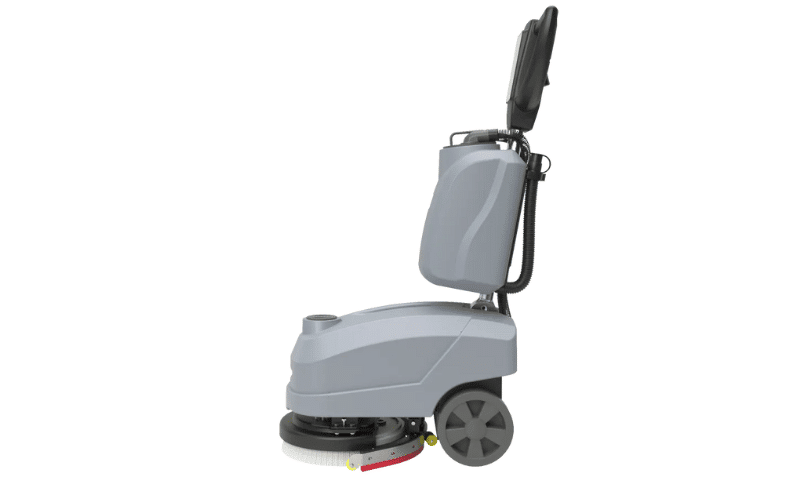

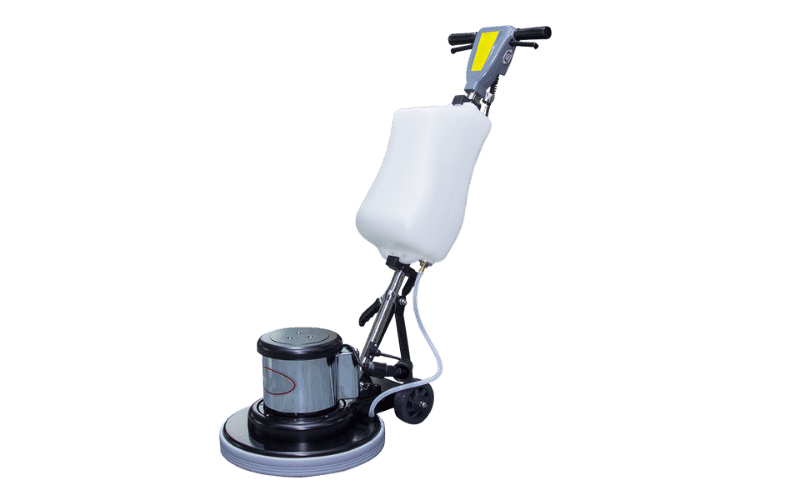
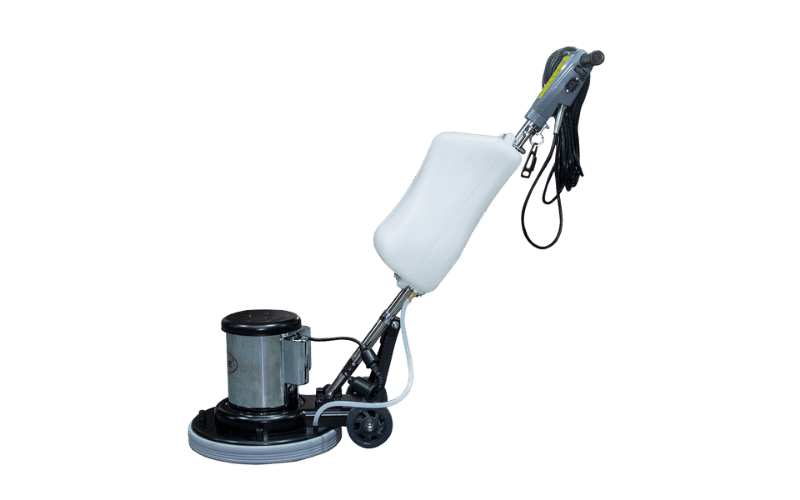
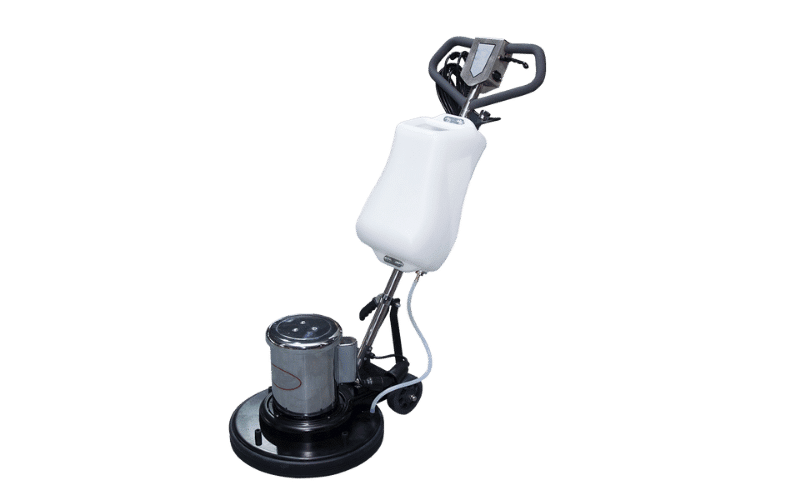
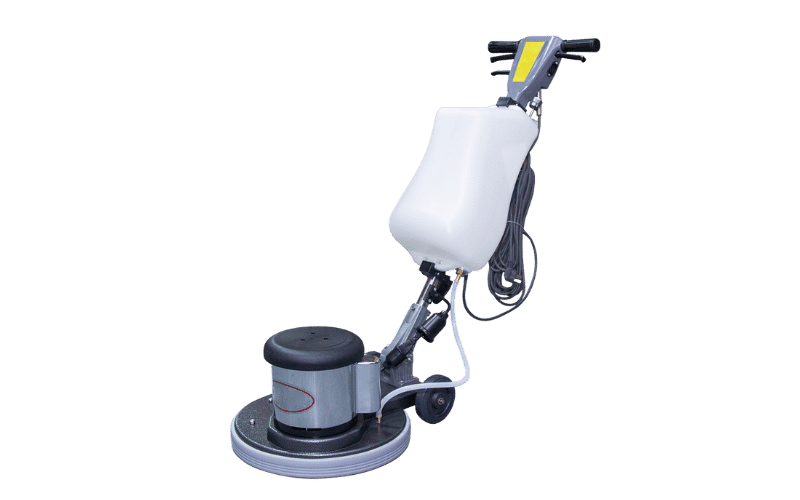



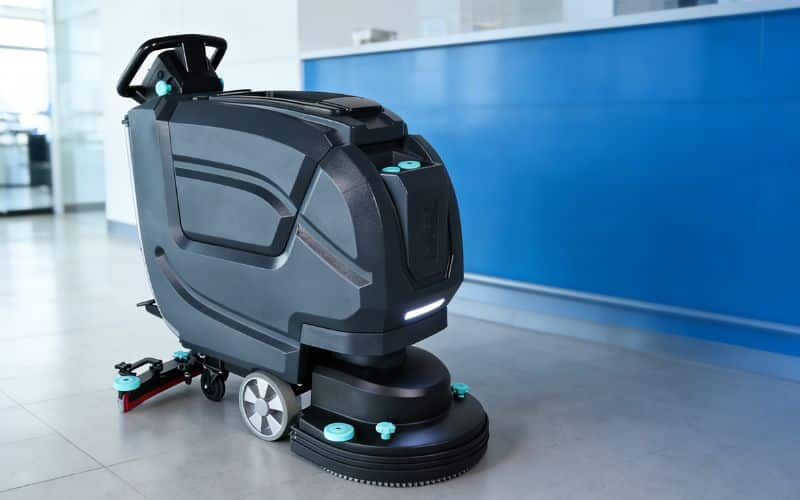
Walk-behind floor scrubbers cost between $1,399 and $3,299 in the US market, depending on cleaning path width, power source, and drive type. Rental rates run $185–$220 per day for standard walk-behind models. Total five-year ownership cost—once you factor in batteries, brushes, and maintenance—typically lands 40–60% above the sticker price.
If you’re responsible for sourcing commercial cleaning equipment, you already know that the purchase price is just one column in the spreadsheet. Battery replacements, consumable wear parts, operator downtime, and delivery fees all add up fast. This guide breaks down every cost layer for walk-behind floor scrubbers using 2024–2025 US market data, so you can build an accurate budget before issuing a purchase order or signing a rental agreement.
Here’s what this article covers:
- Current purchase prices, organized by machine size
- The five factors that drive price differences between models
- Realistic total cost of ownership figures over a five-year window
- Verified rental rates from US suppliers
- Hidden rental fees most buyers miss
- Budget guidance matched to specific facility types and use cases
How Much Does a Walk-Behind Floor Scrubber Cost?
Purchase prices break cleanly into four tiers, each driven primarily by cleaning path width and drive system. The table below reflects current factory-direct and dealer pricing in the US market.
|
Machine Type |
Cleaning Path |
Typical Price Range |
Best For |
|---|---|---|---|
|
Compact/corded walk-behind |
14 in. |
$1,399–$1,599 |
Tight spaces, restrooms, and small retail |
|
Standard walk-behind (battery) |
17–22 in. |
$1,599–$2,499 |
Schools, gyms, mid-size retail |
|
Self-propelled walk-behind |
22–28 in. |
$2,899–$3,299 |
Longer routes, warehouses, and daily routes |
|
Large self-propelled walk-behind |
34 in. |
$4,199–$4,699 |
Distribution centers, large facilities |
These ranges assume new equipment purchased directly from a US manufacturer or authorized dealer, with standard lead-acid battery configurations. Lithium-equipped models add $300–$800 to the base price for entry-level sizes and significantly more for larger machines—as covered in the battery section below.
Used walk-behind floor scrubbers can reduce the upfront cost by 30–50%, but battery condition, motor hours, and parts availability introduce risks that are difficult to assess without an in-person inspection.
What Drives the Price Difference Between Models?
Two machines at opposite ends of the price range might both be described as “walk-behind floor scrubbers.” Here’s what actually separates them.
Cleaning Path Width
Path width is the single biggest cost driver. A 14-inch cleaning deck is ideal for a tight restroom or retail back room. A 22-inch deck covers 40–60% more floor area per pass and justifies a larger motor, tank, and frame—all of which increase the manufacturing cost. Productivity ratings scale accordingly: compact 14-inch machines typically cover 5,000–8,000 sq ft per hour, while a 22-inch self-propelled model can reach 19,000 sq ft per hour or more.
Battery Type
Corded machines carry the lowest sticker price because they have no battery to source or maintain. Battery-powered machines cost more upfront but allow operators to move freely through the facility without having to manage an extension cord.
Within battery machines, there are two chemistries in common commercial use:
- Flooded lead-acid: $300–$600 per battery pack, requires regular water refills and OSHA-compliant ventilation during charging, typical calendar life of 2–4 years
- AGM lead-acid: $450–$900 per pack, sealed and maintenance-free, typical calendar life of 3–5 years
- Lithium (LiFePO4): $800–$2,200 per pack, charges in 3–5 hours vs. 8–12 hours for lead-acid, lasts 5–10 years, zero maintenance—but costs 2–4x more upfront
Research published by the SUNMAX Technical Team (2026) found that lithium batteries deliver a 30–45% lower total cost of ownership over five years compared to lead-acid batteries in daily commercial cleaning operations, with the break-even point occurring in 11–24 months, depending on cleaning frequency.
Drive System
A push walk-behind requires the operator to propel the machine manually. This keeps the price lower and works well for routes under about 20,000 sq ft per shift. A self-propelled model adds a drive motor that moves the machine independently, reducing operator fatigue on long straight runs. The drive system upgrade typically adds $700–$1,000 to the machine price.
Brush Deck Configuration
Single-brush decks handle most routine commercial floors. Dual-brush decks cost more because they cover more surface area, provide higher cleaning pressure per square inch, and are better suited to heavy soil loads in industrial environments.
Advanced Features and Brand Support
Onboard diagnostics, automatic chemical dosing, and tool-less maintenance design all add to the purchase price. So does parts availability. Machines from manufacturers with US-based support, stocked replacement parts, and clear warranty terms generally carry a slight price premium over import-only models—but lower total cost of ownership due to reduced downtime.
Total Cost of Ownership: What You’ll Actually Spend
Procurement teams that evaluate floor scrubbers based solely on purchase price routinely underestimate five-year costs by 30–50%. Here’s a realistic breakdown of what you’ll spend beyond the sticker price.
Battery Replacement
Lead-acid batteries need replacement every 2–5 years in commercial use, depending on cycle frequency. Replacement packs cost $300–$900 for AGM configurations. Lithium battery packs last 5–10 years—meaning most facilities never replace a lithium pack within the machine’s service life.
For a facility running a 22-inch walk-behind six days per week, a five-year TCO comparison looks like this (mid-range AGM vs. LiFePO4 lithium):
|
Cost Component (5-year) |
AGM Lead-Acid |
LiFePO4 Lithium |
|---|---|---|
|
Initial battery + charger |
$1,200 |
$2,800 |
|
Replacement packs |
$1,800 |
$0 |
|
Maintenance labor |
$400 |
$0 |
|
Downtime costs |
$400 |
$0 |
|
Energy/electricity |
$780 |
$520 |
|
5-Year Total |
$4,580 |
$3,320 |
Source: SUNMAX Technical Team cost model, 2026, based on mid-range US commercial pricing.
The lithium option saves approximately $1,260 over five years for a single-shift warehouse scenario. That savings figure grows significantly in two-shift or three-shift operations.
Brush and Pad Consumables
Brushes, pads, and squeegee blades are recurring expenses that procurement budgets often omit. Plan for:
- Brushes and pads: $40–$120 per replacement, frequency varies by floor type and soil load—typically every 3–6 months for daily commercial use
- Squeegee blades: $30–$80 per blade set, annual replacement in most facilities
- Brush wear premium on lead-acid machines: Because lead-acid batteries lose voltage progressively during discharge, brush motor speed drops in the second half of each cycle—causing 15–25% faster brush wear than equivalent lithium-powered models
A CY cleaning equipment TCO analysis (2024) documented brush replacement costs of approximately $283 per year for a commercial walk-behind unit operating continuously, with filter replacements adding around $50 per year.
Maintenance and Repairs
High-end commercial floor scrubber models from brands like Tennant, Karcher, and Nilfisk typically run around $300 annually in scheduled maintenance. Mid-range and budget models may cost less in parts but tend to require more frequent servicing. Unscheduled repairs—motor issues, pump wear, squeegee recovery problems—are harder to budget for but tend to cluster in years 3–5 of a machine’s life.
Labor Savings
This is the line item most budget models miss. Switching from manual mopping to a walk-behind floor scrubber reduces cleaning time by 50–70% in most commercial environments, according to user data collected across retail, hospital, and warehouse settings. A retail store cleaning a 10,000 sq ft floor reported a 70% reduction in cleaning time after switching to a compact ride-on scrubber—and the machine paid for itself within six months through labor savings alone.
For daily commercial cleaning, that productivity gain typically amounts to several hours of recovered labor per week—a significant operating cost reduction that makes the capital expenditure defensible even at the higher end of the price range.
Walk-Behind Floor Scrubber Rental Rates
Renting makes sense for one-time projects, seasonal cleaning events, facilities evaluating a machine before purchase, and operations where cleaning frequency doesn’t justify ownership costs. The table below reflects current US rental rates from commercial suppliers.
|
Machine Type |
Daily Rate |
Weekly Rate |
Monthly Rate |
|---|---|---|---|
|
Small/compact walk-behind |
$185 |
$555 |
$1,465 |
|
Standard walk-behind (large facility) |
$200–$220 |
$695–$700 |
$1,400–$2,025 |
|
Small battery ride-on |
$275 |
$895 |
$2,245 |
|
Large battery ride-on / sweeper combo |
$395 |
$1,345 |
$2,705 |
|
Large LP (propane) ride-on |
$595 |
$1,915 |
$4,500 |
Sources: Factory Cleaning Equipment (thesweeper.com) and Hotsy Equipment Company (hotsyonline.com), 2024–2025 US market rates.
For facilities that need a machine for a recurring monthly clean, the weekly-to-monthly rate comparison matters. Most suppliers price their monthly rates at roughly 2.5–3.5x the weekly rate, so month-long rentals tend to offer the best per-day value.
Hidden Costs in Floor Scrubber Rentals
Rental pricing tables rarely tell the full story. Here are the costs that frequently appear on final invoices but don’t show up in the advertised rate:
- Delivery and pickup fees: Walk-behind floor scrubbers weigh 150–400 lbs, depending on tank capacity. Delivery charges vary by distance, but $75–$200 each way is common for commercial deliveries.
- Damage liability: Renters are responsible for all damage to the machine in most agreements. Many suppliers require either a valid certificate of insurance (COI) or an added rental protection plan.
- Usage hour limits: Some suppliers cap daily rentals at 8 operating hours. Exceeding the limit triggers hourly overage charges.
- Detergent and consumables: Most rental machines arrive without cleaning chemicals. Budget $20–$60 per day for appropriate floor cleaning detergent.
- Operator training: Specialty suppliers such as Factory Cleaning Equipment include training as part of the rental agreement. General equipment rental companies typically do not—and using the wrong brush, pressure setting, or chemical on the wrong floor type can cause costly floor damage.
- Early return penalties: Some contracts charge a minimum rental fee regardless of actual use duration. Confirm the cancellation and return policy before signing.
The most common hidden cost isn’t a fee—it’s floor damage. General rental companies can’t always advise on the correct brush type and detergent chemistry for a specific floor surface. A scrubber set up incorrectly for an epoxy-coated warehouse floor or a polished concrete showroom can strip coatings and require expensive remediation. Specialty rental providers with floor-cleaning expertise significantly reduce this risk.
Budget Guidance by Use Case
The right walk-behind floor scrubber for a 3,000 sq ft clinic is a completely different machine from what a 60,000 sq ft distribution center needs. Here’s where each facility type should focus its budget.
Small Retail, Office, or Clinic (Under 5,000 sq ft)
Budget range: $1,399–$1,599 | Compact walk-behind, 14-inch path
Tight aisles, narrow doorways, and frequent maneuvering around obstacles are the defining constraints. Corded models work well here when outlet access is consistent. Battery models offer more flexibility. At this scale, a compact machine cleans the full space in a single run, so battery capacity isn’t a limiting factor—maneuverability is.
School, Healthcare Facility, or Mid-Size Retail (5,000–25,000 sq ft)
Budget range: $1,999–$2,499 | Standard walk-behind, 17–22-inch path
This is the most common purchase category for facility managers. A 22-inch battery walk-behind handles daily scheduled cleaning at this scale without pushing operators to the limit. Lithium is worth considering here, particularly in healthcare settings where OSHA hydrogen ventilation requirements create installation challenges for flooded lead-acid charging stations.
Large Warehouse or Distribution Center (25,000–75,000 sq ft)
Budget range: $2,899–$3,299 | Self-propelled walk-behind, 22–28-inch path
At this scale, operator fatigue becomes a real productivity constraint. A self-propelled model reduces physical strain and lets the operator focus on cleaning quality rather than pushing a loaded 200-lb machine across long straightaways. Lithium battery chemistry pays back its premium in under two years for facilities cleaning in this range on a daily schedule.
Industrial or Manufacturing Facility (75,000+ sq ft)
Budget range: $4,199–$4,699 for a large walk-behind; consider a ride-on
At this square footage, walk-behind machines start to struggle with shift-length constraints. A 34-inch self-propelled walk-behind can clean up to 75,000 sq ft per hour, but operator fatigue over multi-hour shifts degrades both cleaning quality and machine care. Facilities at this scale should run the numbers on ride-on models ($3,199–$4,699), which keep operators seated and can cover 40,000–75,000 sq ft per hour with significantly less physical strain.
Frequently Asked Questions
How much does a walk-behind floor scrubber cost to buy in 2025?
Walk-behind floor scrubbers cost between $1,399 and $3,299 for most commercial applications in the US market. Compact 14-inch corded models start around $1,399. Standard 22-inch battery models run $1,999–$2,499. Self-propelled models with 22–28-inch cleaning paths cost $2,899–$3,299. Larger 34-inch self-propelled units range from $4,199 to $4,699.
Is it cheaper to rent or buy a walk-behind floor scrubber?
Renting is more cost-effective for facilities that clean fewer than 20 times per year or need a machine for a specific project. At $185–$220 per day, a weekly rental costs $555–$695. A facility renting every week quickly approaches or exceeds the purchase price of a standard walk-behind within 3–6 months. If your facility cleans daily or near-daily, purchasing is almost always the lower-cost option within the first year.
What is the total cost of ownership for a walk-behind floor scrubber over 5 years?
For a standard 22-inch battery walk-behind scrubber used daily in a warehouse or facility setting, expect a five-year total cost of $5,000–$9,000, including purchase price, battery replacement, consumables, and maintenance. Lithium-equipped models tend to sit at the lower end of that range due to the elimination of battery replacement and maintenance labor. Lead-acid models often end up on the higher end due to recurring replacement costs.
What hidden costs should I budget for when buying a floor scrubber?
Budget for brushes, pads, and squeegee blades (typically $200–$400 per year in daily use), battery replacement on lead-acid models every 2–5 years, operator training, cleaning chemicals, and freight on delivery. Many manufacturers include free freight to the contiguous 48 states. Always confirm shipping costs before finalizing a purchase order—heavy equipment delivery can add $200–$600 to the effective purchase price.
How long does a walk-behind floor scrubber last?
A commercial walk-behind floor scrubber typically lasts 5–10 years with regular maintenance. The battery usually determines the replacement timeline more than the machine itself. Machines with readily available parts and US-based support will outlast machines where replacement components require long lead times or specialty sourcing.
What’s the difference between a corded and battery walk-behind floor scrubber?
Corded models cost less upfront ($1,399–$1,999) and avoid battery maintenance, but they restrict operator movement to the length of an extension cord and require consistent access to an outlet throughout the cleaning route. Battery models cost more upfront and require battery management, but allow free movement through the facility. For large open areas or multi-room cleaning routes, a battery is almost always the more practical choice.
When does a lithium battery make more sense than a lead-acid battery for a floor scrubber?
Choose lithium when your facility cleans more than 10 hours per week, runs multiple shifts per day, or where OSHA ventilation requirements for flooded lead-acid batteries would create installation costs. For facilities cleaning under 10 hours per week with a hard budget cap under $2,000 for the full machine, AGM lead-acid still wins on total cost of ownership. For everything above that threshold, lithium pays back its price premium within 11–24 months.
What to Prepare Before Requesting a Quote
Requesting a quote without this information in hand usually results in a recommendation that doesn’t match your actual facility—and a machine that either over-serves or under-serves your cleaning schedule.
Before contacting a supplier, have the following ready:
- Total square footage cleaned per shift and per week
- Aisle and doorway dimensions at the narrowest point that the machine must navigate
- Floor surface type: concrete, epoxy, vinyl composition tile, polished concrete, or mixed
- Soil load description: light dust, food residue, oil, heavy debris, etc.
- Daily shifts: single, double, or three-shift operation
- Power source availability: reliable outlet access, or open-floor routes that need a battery
- Budget range: upfront purchase budget and acceptable monthly operating cost
- Current cleaning method: manual mop-and-bucket, existing machine replacement, or first-time mechanical cleaning
With this information prepared, a qualified supplier can match you with the right cleaning path width, drive type, and battery chemistry—and provide a quote that reflects the full machine configuration, not just the base model price.
Get the Right Machine, Configured for Your Facility
The sticker price of a walk-behind floor scrubber is one number. The cost of running the wrong machine—damaged floors, excessive labor, frequent battery swaps, or missed cleaning windows—is a different number entirely. Getting those aligned requires matching machine specifications to facility requirements, not just finding the lowest price in a category.
If you’re ready to compare options or need a quote tailored to your facility’s specific cleaning schedule and floor type, contact the team at LeadVClean. We help procurement specialists and facility managers select, configure, and source commercial floor cleaning equipment without the guesswork.