







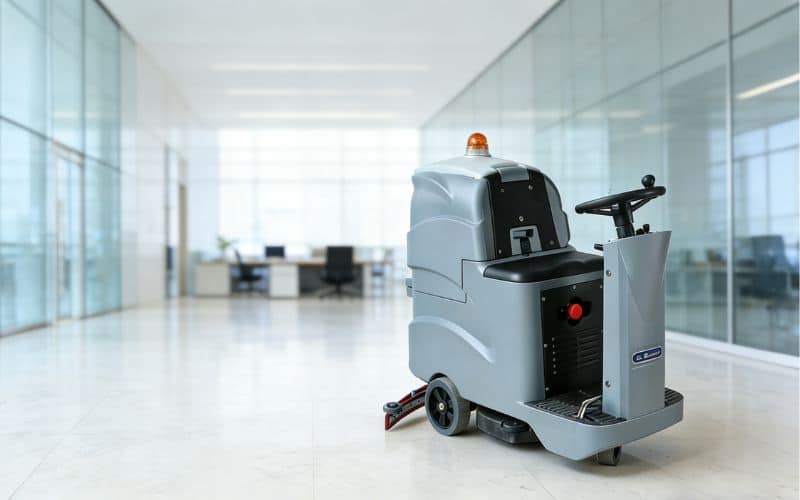
How do you operate a floor scrubber? This article helps both new and experienced operators understand the machine’s structure and operational steps in detail, reducing risks and maximizing cleaning efficiency.
Floor scrubbers are essential cleaning machines in commercial, industrial, and retail environments. Their proper operation is crucial for both personnel safety and maintaining the integrity of floor surfaces. Before using a floor scrubber, operators must receive proper training and fully understand the machine’s structure, controls, and safety guidelines. These automated systems are far more complex than a simple mop and bucket, requiring a level of knowledge to use them effectively and safely. Improper use can lead to inefficient cleaning, damage to the machine, or even workplace accidents.
This article explains the basic components of a floor scrubber, provides a detailed guide to operating one, and outlines essential safety precautions. It offers practical guidance for both beginners looking to learn the ropes and experienced operators seeking to reinforce best practices and improve their technique for maintaining pristine, safe floors.
Who Can Operate a Floor Scrubber?
Just like any piece of heavy machinery, not just anyone should hop on and start cleaning. To ensure safety and efficiency, specific qualifications and a thorough understanding of the equipment are necessary. Operating a floor scrubber requires more than just knowing how to press the “on” button; it involves a responsibility to maintain a safe environment for oneself and others. The operator must be trained on the specific risks associated with automated cleaning equipment, such as navigating in public spaces, handling cleaning chemicals, and managing water on floors. This training is vital for preventing accidents and ensuring the machine is used to its full potential without causing damage.
Operators must be familiar with the model, performance, operating methods, and safety precautions of the specific floor scrubber they are using. They need to strictly follow the equipment manual and any on-site safety procedures established by their employer. This includes understanding the differences between a walk-behind and a ride-on model, properly mixing and handling cleaning solutions, and recognizing the machine’s limitations. Furthermore, operators must have adequate emergency response skills. This means knowing how to handle unexpected issues such as equipment failures and chemical spills, and to navigate around unforeseen obstacles and pedestrians during operation to prevent collisions or other safety incidents.
Familiarize Yourself with Floor Scrubbers: Components, Controls, and Instruments
1. Floor Scrubber Components
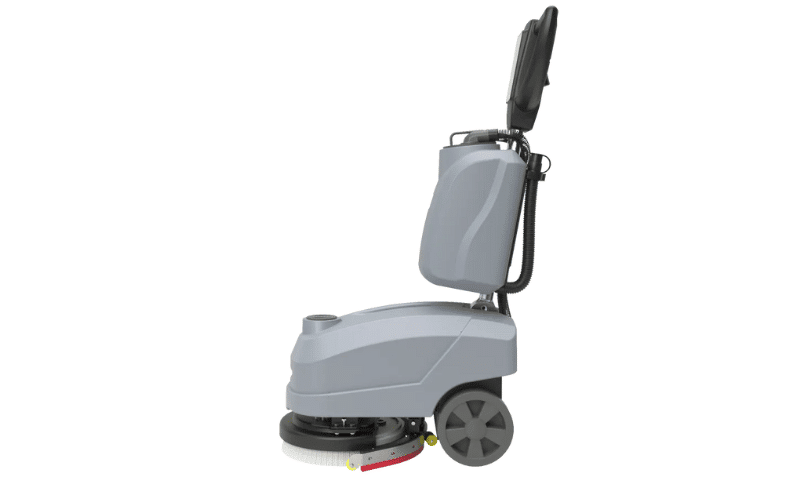
- Solution and Recovery Tanks: The floor scrubber has two main tanks. The solution tank holds the clean water and the cleaning chemical mixture, which is dispensed onto the floor. The recovery tank collects the dirty water vacuumed up by the squeegee system. Keeping these separate is fundamental to a scrubber’s ability to provide a deep clean.
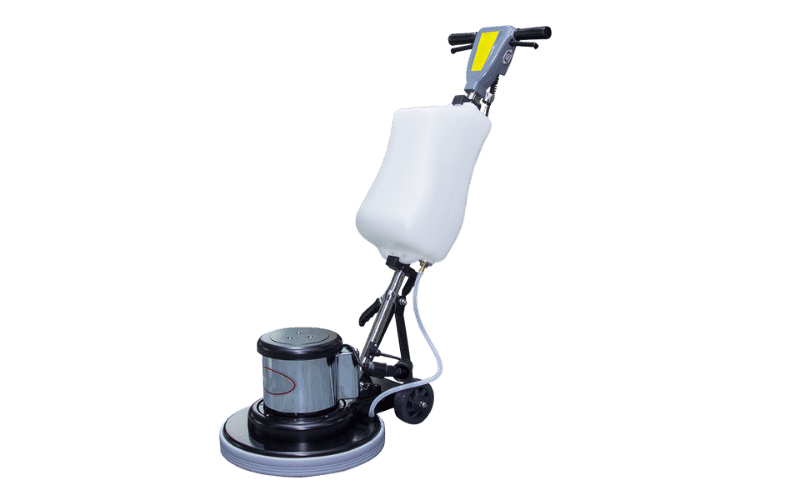
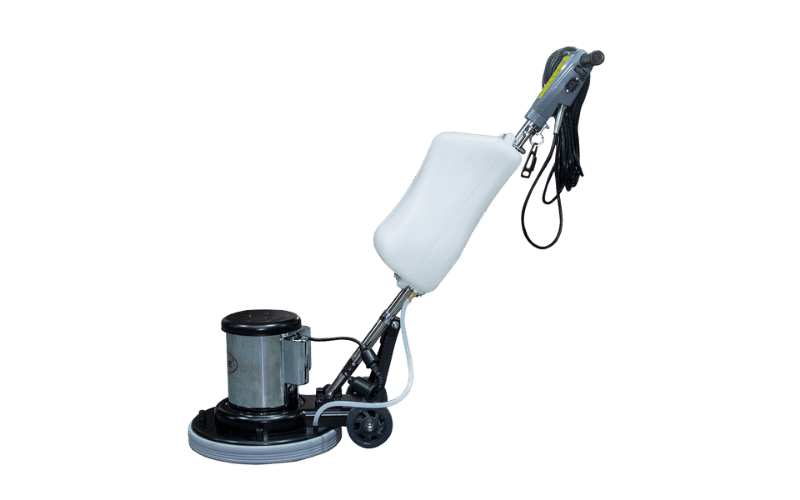
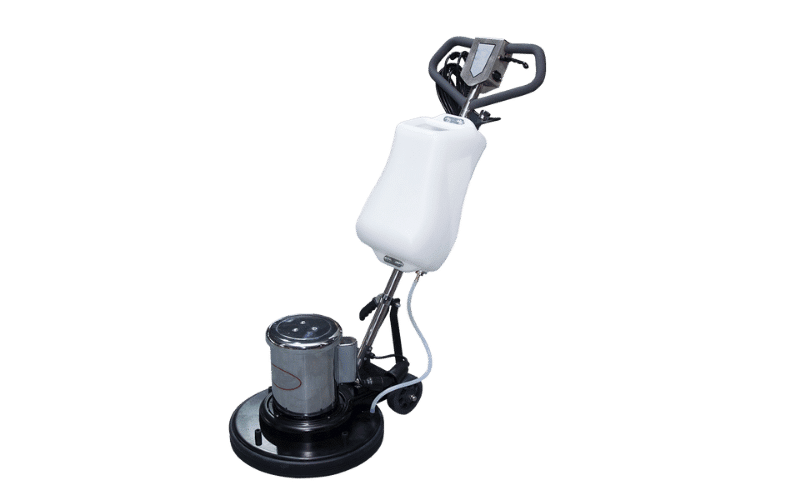
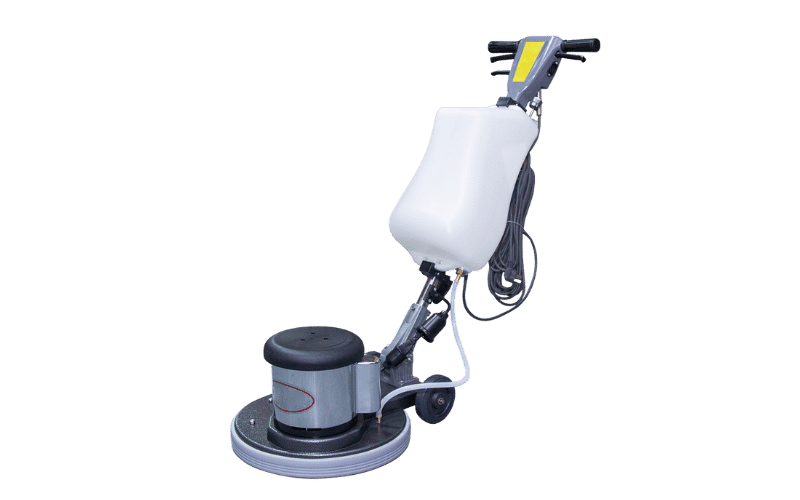
- Scrub Deck and Brushes/Pads: This is the heart of the machine. The scrub deck houses one or more rotating brushes or pads that agitate the floor surface, dislodging dirt and grime. The type of brush (bristle stiffness) or pad (abrasiveness) used depends on the floor type and the level of cleaning required.
- Squeegee System: Located at the rear of the machine, the squeegee assembly suctions the dirty water from the floor into the recovery tank. A properly adjusted and maintained squeegee is crucial for leaving floors clean, dry, and safe to walk on almost immediately.
- Power System: Floor scrubbers are typically powered by rechargeable, deep-cycle batteries for cord-free operation, although some smaller models may be corded. The battery system powers the drive motor, vacuum motor, and brush motors.
2. Controls
- Main Power Switch/Key: This control turns the entire machine on and off. On many models, a key is required to prevent unauthorized use.
- Solution Flow Control: This allows the operator to adjust the amount of cleaning solution being dispensed onto the floor. More solution may be needed for heavily soiled areas, while less is required for routine cleaning.
- Brush Pressure Adjustment: Some advanced models allow the operator to adjust the downward pressure of the scrub deck. This is useful for tackling stubborn grime or for being gentle on delicate floor surfaces.
- Squeegee and Brush Deck Levers: These levers raise and lower the squeegee and the scrub deck. They must be lowered for cleaning and raised when transporting the machine to prevent unnecessary wear.
3. Instruments
- Battery Level Indicator: This gauge is essential for battery-powered models. It shows the remaining charge, so the operator knows when it’s time to recharge. Operating a scrubber until the battery is completely drained can damage it.
- Water Level Gauges: Many machines have indicators for both the solution and recovery tanks. A clear tube or a digital display will show how much clean water is left and how full the dirty water tank is, signaling when it’s time for a refill or to be emptied.
- Hour Meter: This instrument records the total number of hours the machine has been in operation. It is vital to schedule routine maintenance and track the machine’s service life.
- Speed Control: On ride-on models and some walk-behind units, a dial or paddle allows the operator to set the maximum forward speed, ensuring safe operation in crowded or tight spaces.
How to Operate a Floor Scrubber: Step by Step
1. Pre-operation Checks Before You Start
- Visual Inspection: Walk around the machine and check for any obvious damage. Inspect the squeegee blades for tears, nicks, or excessive wear, as a damaged blade will leave streaks. Ensure the scrub brushes or pads are clean and in good condition for the specific floor type you will be cleaning.
- Tank and Fluid Check: Make sure the recovery (dirty water) tank is empty and clean. Fill the solution (clean water) tank with fresh water and the appropriate, manufacturer-recommended cleaning chemical, mixed to the correct dilution ratio.
- Battery and Power Check: For battery-powered models, verify that the battery is fully charged. Check that all battery cable connections are secure and free of corrosion. For corded models, inspect the entire length of the power cord for any frays or damage.
- Controls and Safety Features Test: Turn the key to the “on” position. Test the forward and reverse controls, the horn, and the lights if equipped. Check that the levers for raising and lowering the scrub deck and squeegee are functioning correctly.
2. Starting and Moving
- Mounting the Machine: For ride-on models, use the designated steps and handholds to sit securely in the operator’s seat. Adjust the seat for comfortable access to all controls and a clear line of sight. For walk-behind models, position yourself comfortably behind the control console.
- Starting: Turn the key or switch to power on the machine. Wait for any system self-checks to complete, and confirm that the instrument panel and battery indicator show normal readings.
- Preparing to Move: Ensure the scrub deck and squeegee are raised for transport. Select the direction of travel (forward or reverse). Gently press the accelerator pedal or engage the drive paddles to begin moving smoothly. Always start at a low speed to get a feel for the machine’s responsiveness.
3. Scrubbing and Cleaning
- Engaging the Cleaning System: Once at your starting point, bring the machine to a stop. Lower the scrub deck, followed by the squeegee assembly.
- Begin Scrubbing: Start moving forward at a steady, controlled walking pace. As you move, activate the water solution flow and the scrub brushes. The goal is to apply enough solution to allow the brushes to scrub effectively without flooding the floor.
- Cleaning Pattern: To ensure complete coverage and avoid missing spots, overlap each cleaning path by a few inches. For large, open areas, work in long, straight lines. For aisles, clean down the center first, then work your way out towards the edges. Pay attention to how the squeegee is performing; if it leaves streaks or wet patches, you may need to slow down or check it for debris.
4. Stopping, Emptying, and Post-Cleaning Care
- Parking and Shutdown: When finished, drive the machine to its designated storage or cleaning area. Come to a complete stop, raise the scrub deck and squeegee, and turn off the power. If on an incline, engage the parking brake.
- Emptying and Rinsing: The most critical step for machine longevity is post-use cleaning. Completely drain the recovery tank of all dirty water. It is highly recommended to rinse the inside of the recovery tank to prevent odor buildup and grime. Then, drain any remaining solution from the clean water tank.
- Component Cleaning: Remove and rinse the scrub brushes or pads to remove any embedded dirt. Wipe down the squeegee assembly, ensuring the blades are clean and free of debris. Wipe down the machine’s body.
- Charging: If you have a battery-powered model, plug it into the charger to keep it ready for the next use. Ensure the charging area is well-ventilated.
Safety Tips for Floor Scrubber Operators
- Understand Your Environment: Before starting, survey the area you will be cleaning. Identify potential hazards such as slippery spots, uneven surfaces, thresholds, or tight corners. Be aware of where pedestrians or other vehicles, like forklifts, might be present. Always adhere to posted speed limits within the facility and slow down significantly at intersections and blind corners.
- Maintain Clear Visibility and Awareness: Always look in the direction of travel. Ensure you have a clear, unobstructed view ahead. If your view is blocked for any reason, stop and proceed only when you can see it is safe to do so. Don’t assume others see or hear you; make eye contact when possible and use the horn as a warning when approaching doorways or corners.
- Ensure Machine Stability: Never operate a floor scrubber on ramps or inclines that exceed the manufacturer’s specified grade limit, as this can cause the machine to tip over. Avoid sharp, high-speed turns, especially with ride-on models, as shifting weight in the water can compromise stability. When filling or draining tanks, ensure the machine is on level ground.
- Proper Chemical Handling: Always wear appropriate personal protective equipment (PPE), such as gloves and safety glasses, when handling cleaning chemicals. Use only manufacturer-approved cleaning solutions and mix them according to the specified dilution rates. Using the wrong chemicals or an incorrect concentration can damage the machine and the floor surface.
Conclusion
Mastering floor scrubber operation is a key skill that enhances both cleaning efficiency and workplace safety. From diligent pre-operation checks to thorough post-cleaning maintenance, every step is crucial for the machine’s performance and longevity. During operation, operators must remain constantly aware of their surroundings, reinforcing safety practices to prevent accidents and ensure a secure environment for everyone.
By prioritizing proper training, understanding the machine’s functions, and adhering to a consistent operational process, any operator can achieve professional cleaning results. This not only keeps facilities looking their best but also protects the valuable investment made in automated cleaning equipment.
FAQs
How to operate a floor scrubber for beginners?
For beginners, the process starts with reading the operator’s manual for your specific model. Perform all pre-operation checks, including checking batteries, tanks, brushes, and squeegees. Fill the solution tank correctly. Start at a slow speed in an open area to get used to the controls. Practice starting, stopping, and turning before tackling tighter spaces. Always clean up the machine thoroughly after use.
Is it easy to learn how to use a floor scrubber?
The basics of operating a floor scrubber are relatively easy to learn, especially for walk-behind models. Most operators can become comfortable with the primary functions within a few hours of hands-on training. However, mastering techniques for achieving a perfect, streak-free clean in various conditions and navigating complex environments safely requires practice and experience.
What are the key maintenance steps for floor scrubbers?
The most important daily maintenance is cleaning the machine after every use. This includes draining and rinsing both the solution and recovery tanks, wiping down the squeegee assembly, and checking the brushes/pads for debris. Weekly checks should include inspecting squeegee blades for wear, checking battery water levels (for wet-cell batteries), and ensuring all components are secure.