







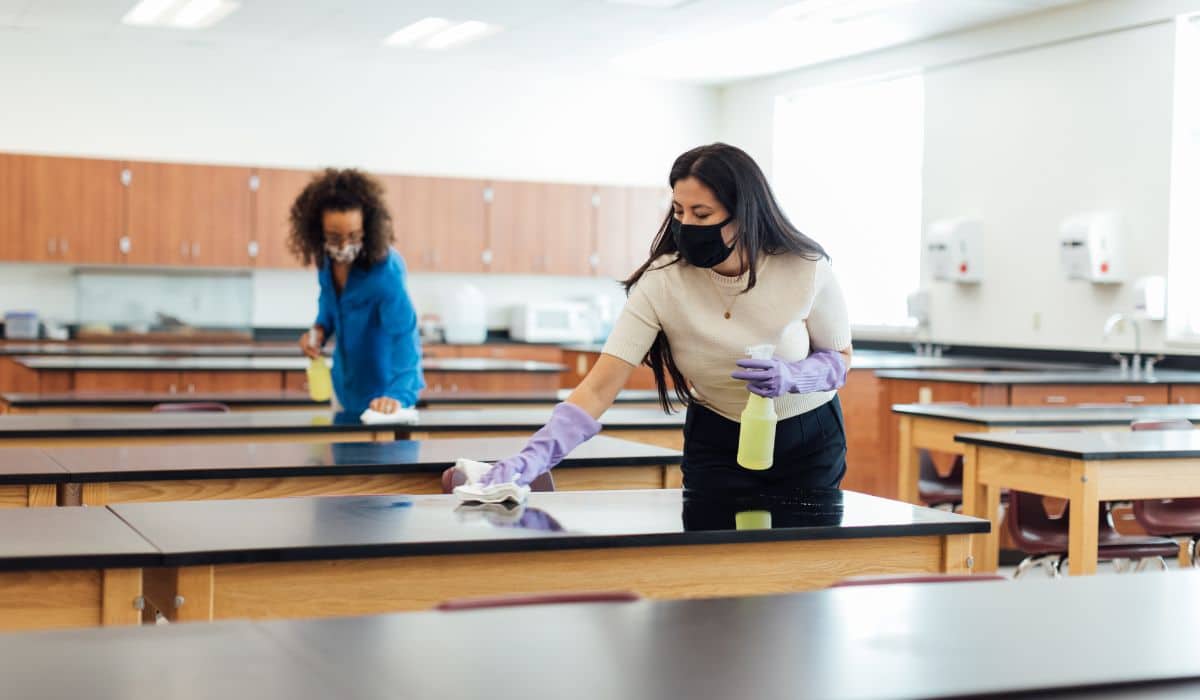
School cleaning during breaks requires systematic procedures to maintain a safe and healthy learning environment while managing high-traffic grime, classroom clutter, and sanitation needs. Professional methods for cleaning a school combine industrial floor care with deep sanitization to prevent the spread of germs. Learning how to clean a school properly protects student and staff health while supporting facility longevity and readiness for the new term.
What Is School Cleaning During Breaks?
School cleaning during breaks encompasses the systematic deep cleaning and sanitization of classrooms, hallways, restrooms, cafeterias, gyms, and other common areas while students and staff are away. These specialized cleaning projects address months of accumulated dirt, germs, and wear that daily janitorial services cannot fully tackle. Understanding how to clean a school during these periods involves more than just surface wiping; it requires industrial cleaning equipment, adherence to health protocols, and a methodical approach.
This process targets everything from scuff marks on gym floors and grime in restroom grout to dust on high shelves and germs on every doorknob. It’s an opportunity to perform tasks that are too disruptive during the school year, such as stripping and waxing floors, deep cleaning carpets, and sanitizing entire rooms from top to bottom.
Why Cleaning Schools During Breaks Matters
Proper school cleaning during breaks can significantly reduce the presence of germs and bacteria, lowering illness transmission rates among students and staff when they return. Accumulated dust and allergens in classrooms and HVAC systems can trigger respiratory issues, while unkempt floors create slip-and-fall hazards. Professional cleaning services use systematic procedures to eliminate these risks, ensuring a safer environment and improving attendance and focus.
Beyond immediate health benefits, thorough cleaning extends the lifespan of school facilities. Grime and dirt can degrade floor finishes, stain carpets, and damage furniture. By removing these contaminants, schools can avoid costly repairs and replacements. A clean, well-maintained school also boosts morale and sends a positive message to students, parents, and faculty about the institution’s commitment to their well-being.
Steps for How to Clean a School During Breaks
Execute these five sequential steps for comprehensive school cleaning during breaks:
- Organize and declutter classrooms and storage areas, eliminating unnecessary items and creating efficient, safe spaces.
- Sweep, mop, and sanitize floors throughout all areas, using specialized equipment such as floor scrubbers for large spaces.
- Dust and clean all surfaces, including desks, shelves, equipment, and high-touch points.
- Wash windows, mirrors, and glass surfaces to improve visibility and create a brighter learning environment.
- Schedule regular deep cleaning and maintenance to prevent hazardous buildup and keep your home clean year-round.
These steps ensure a thorough school cleaning process, following proven industrial cleaning workflows adapted for educational facilities.
Essential Equipment for School Cleaning
Proper equipment enables effective school cleaning while protecting facility assets and ensuring staff safety:
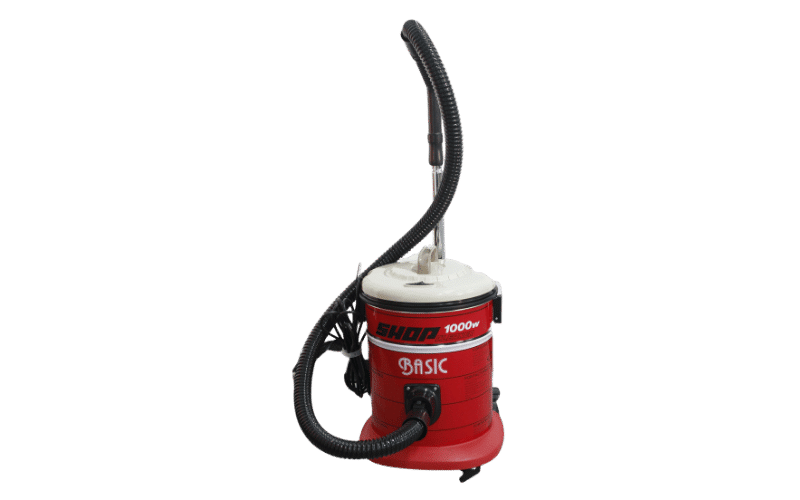
- Industrial Vacuums: Heavy-duty vacuums, including backpack and wide-area models, are essential for removing dirt, dust, and allergens from large areas such as hallways and libraries, as well as from carpets and hard floors. These provide greater suction and durability than standard vacuums.
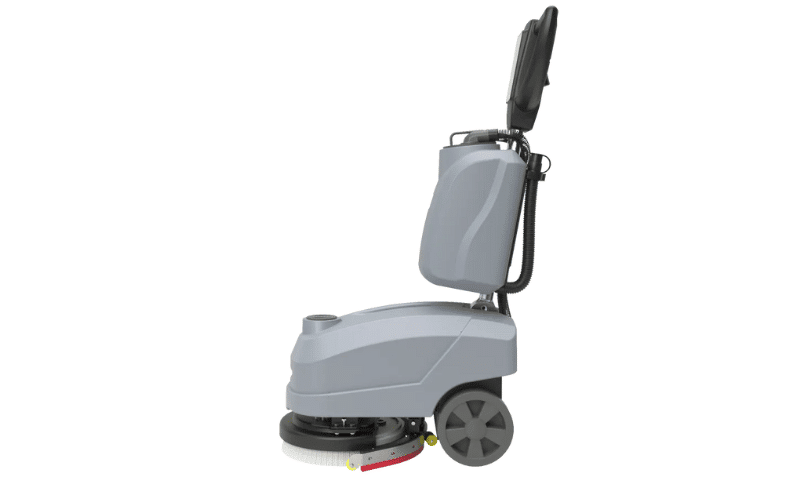
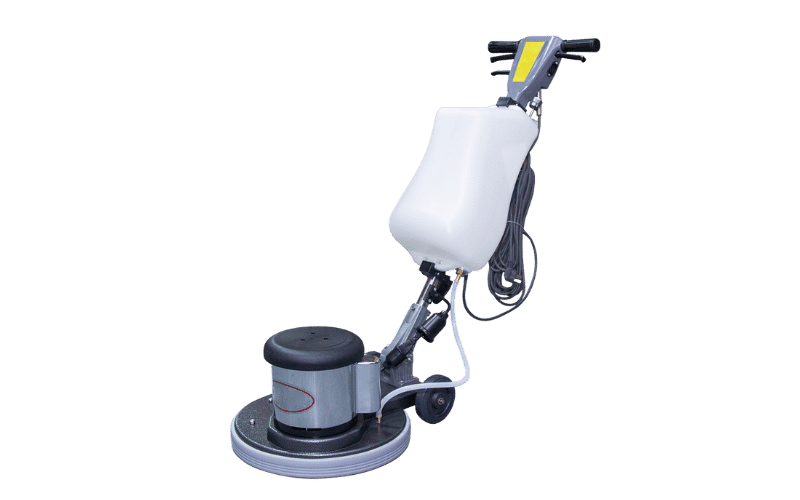
- Floor Scrubbers: Automated floor scrubbers are critical for deep cleaning and sanitizing large floor surfaces in gyms, cafeterias, and corridors. They apply cleaning solution, scrub the floor, and vacuum up the dirty water in one pass, saving significant time and labor.
- Microfiber Cleaning Materials: Professional-grade microfiber cloths, mops, and dusters capture fine dust and germs through electrostatic attraction, preventing cross-contamination. They are more effective than cotton and can be color-coded for different areas (e.g., red for restrooms, green for kitchens) to enhance hygiene protocols.
- Disinfectant Sprayers: Electrostatic or pump sprayers enable the efficient, even application of hospital-grade disinfectants across large areas and high-touch surfaces such as doorknobs, light switches, and desks. This technology ensures complete coverage to kill germs effectively.
- Window Cleaning Tools: Professional squeegees, applicators, and extension poles are needed for streak-free cleaning of windows and glass doors. Using the right tools ensures better results and greater efficiency, especially for hard-to-reach exterior windows.
These industrial tools enable professional-grade school cleaning, protecting the health of the entire school community.
Read More:
How to Operate a Floor Scrubber: Pre-Operation, Cleaning, Maintenance, and Safety
Detailed Steps for How to Clean a School
Comprehensive cleaning procedures ensure complete school safety and create an optimal learning environment:
Step 1: Organize and Declutter Classrooms and Storage Areas
First, remove all broken furniture, obsolete teaching materials, and general clutter that has accumulated over the school year. This step clears the way for deep cleaning and creates a more organized, less hazardous space. Sort items into categories: keep, donate, or discard. Implement a system of labeled storage bins and containers for supplies to make it easier for teachers to find what they need and maintain order.
An organized classroom reduces distractions and improves workflow efficiency for teachers and students. Systematically decluttering also supports effective cleaning by eliminating obstacles that block access to floors, windows, and surfaces. Proper organization extends the lifespan of school supplies and furniture by protecting them from damage and misplacement.
Step 2: Clean and Sanitize Floors Systematically
Begin floor care by thoroughly sweeping or vacuuming to remove all loose dirt, dust, and debris. For hard floors in classrooms and hallways, use a neutral pH cleaner and a microfiber mop. In larger areas such as cafeterias and gyms, use an automated floor scrubber to efficiently deep-clean and sanitize. Pay special attention to corners and edges where dirt accumulates.
For carpeted areas, use an industrial vacuum, then spot-treat stains. A deep carpet cleaning using hot water extraction should be performed during extended breaks to remove embedded dirt and allergens. Finally, after cleaning, apply a disinfectant to all floor surfaces, especially in high-traffic zones and restrooms, to kill lingering germs.
Step 3: Dust and Clean All Workshop Surfaces
Use microfiber dusters with extension poles to remove dust from all high surfaces, including overhead pipes, light fixtures, and the tops of shelves and cabinets. Working from top to bottom prevents dust from settling on already cleaned lower surfaces. Next, wipe down and disinfect all surfaces, paying close attention to desks, chairs, countertops, and shelves.
Clean whiteboards and chalkboards with the appropriate cleaners to remove ghosting and residue. Sanitize all high-touch points, including doorknobs, light switches, handrails, keyboards, and shared equipment. Use an EPA-approved disinfectant and allow for the recommended dwell time to ensure germs are effectively eliminated.
Step 4: Wash Windows and Glass Surfaces
Mix a professional-grade glass cleaning solution with water. Apply the solution to windows, glass doors, and interior glass partitions using an applicator or microfiber cloth. Use a squeegee with a fresh rubber blade to remove the solution, wiping the blade after each pass to prevent streaks. For heavy exterior grime, pre-scrubbing may be necessary.
Clean both the interior and exterior sides of the windows to maximize natural light, which is known to improve student mood and concentration. Don’t forget to clean mirrors in restrooms and gyms. Streak-free glass makes the entire facility look brighter and better maintained, creating a more welcoming atmosphere for the school community.
Step 5: Implement Regular Deep Cleaning Schedules
Establish a clear schedule for daily, weekly, and monthly cleaning tasks to maintain the results of the deep clean throughout the school year. Daily tasks should include sweeping high-traffic areas and disinfecting restrooms. Weekly tasks might involve mopping all hard floors and thoroughly vacuuming carpets. Monthly, address tasks like cleaning window blinds and dusting high fixtures.
Hire professional cleaning services for quarterly or bi-annual deep cleaning, especially during shorter school breaks. Professionals have the specialized equipment and expertise for tasks like floor stripping and waxing, deep carpet extraction, and HVAC duct cleaning. A consistent, proactive cleaning schedule prevents the overwhelming buildup of dirt and germs, reduces long-term maintenance costs, and keeps the school in top condition.
Variation by School Area
School cleaning requirements adapt to the specific function and traffic level of each area:
Classrooms
Focus on disinfecting desks, chairs, and shared supplies. Clean whiteboards, dust shelves, and ensure floors are thoroughly vacuumed or mopped. Organize learning materials and remove clutter to create a focused environment.
Restrooms
This is a top priority for sanitization. Emphasize the deep cleaning and disinfection of toilets, sinks, floors, and partitions. Use hospital-grade disinfectants to control odors and kill pathogens. Restock all supplies, such as soap, paper towels, and toilet paper.
Cafeterias
Cleaning must meet health code standards. Sanitize all food preparation surfaces, kitchen equipment, and dining tables. Deep-clean floors with degreasers and a floor scrubber to remove grease and food spills. Empty and sanitize all trash receptacles.
Gyms
Use an automated floor scrubber to clean and polish hardwood floors, removing scuff marks and sweat. Disinfect all athletic equipment, locker rooms, and benches. High-dusting of rafters and fixtures is also critical in these large spaces.
Science Labs
Special care is needed here due to the presence of chemicals. Follow safety protocols for handling and disposing of any chemical spills. Sanitize all lab stations, countertops, and equipment. Ensure safety showers and eyewash stations are clean and accessible.
Critical Cleaning Areas in Schools
Specific school zones require focused cleaning attention to prevent health and safety hazards:
High-Touch Surfaces
Doorknobs, light switches, handrails, drinking fountains, and shared electronic devices are breeding grounds for germs. These surfaces must be disinfected daily with an EPA-approved disinfectant to break the chain of infection and reduce illness among students and staff.
HVAC Systems
Vents, grilles, and filters in the heating, ventilation, and air conditioning (HVAC) system circulate air throughout the school. Cleaning vents and regularly replacing filters is crucial for maintaining good indoor air quality and reducing the spread of airborne allergens and viruses.
Playgrounds
Outdoor play equipment can harbor germs and bacteria. During cleaning breaks, all playground structures, swings, and slides should be pressure-washed and sanitized. It’s also important to remove debris like leaves and trash from the play area to ensure safety.
Advantages of Professional School Cleaning Services
Hiring professional services provides benefits exceeding what an in-house team can typically manage:
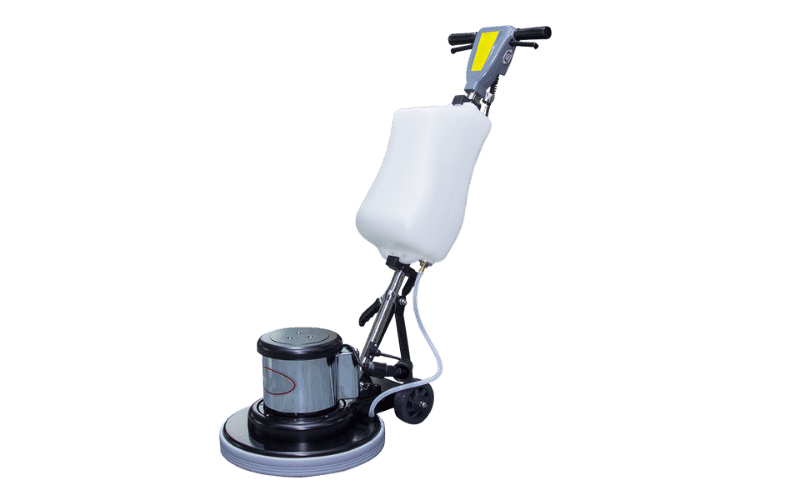
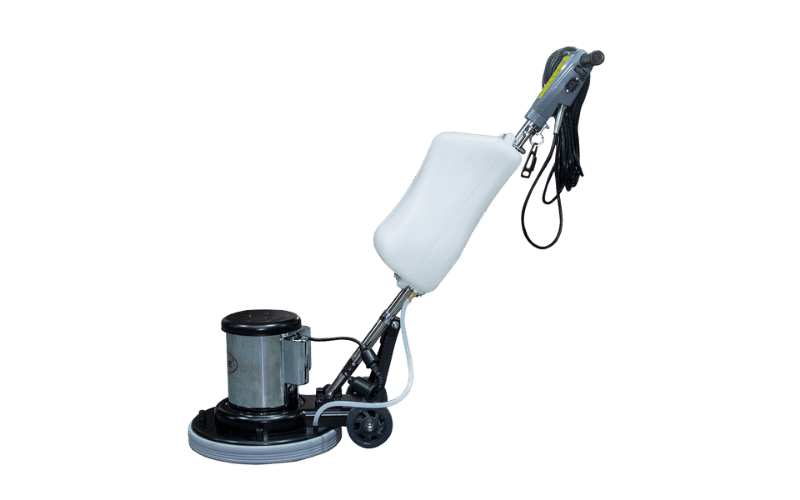
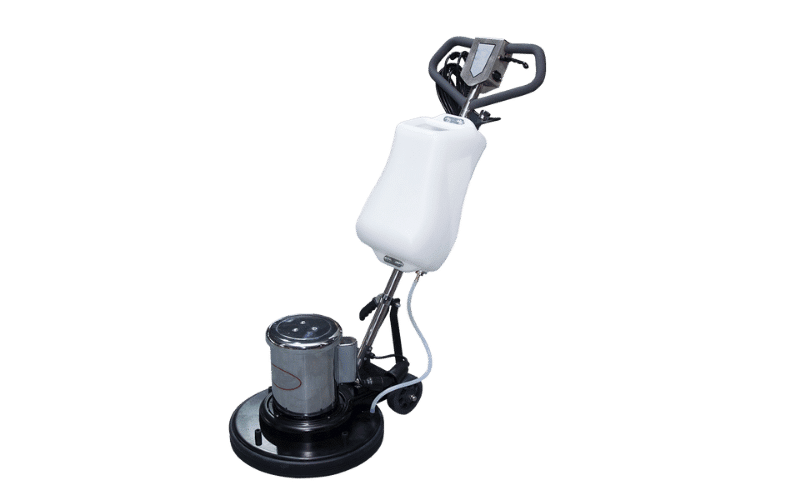
- Specialized Industrial Equipment: Professional companies invest in powerful equipment such as automated floor buffers, hot-water carpet extractors, and electrostatic disinfectant sprayers that most schools lack. This equipment delivers a deeper, more efficient clean.
- Safety Compliance Expertise: Licensed cleaning contractors are trained in OSHA standards and in the proper handling of cleaning chemicals and biohazards. Their expertise ensures the school remains compliant with health and safety regulations, reducing liability.
- Time Efficiency Gains: Experienced cleaning crews work systematically and can deep clean an entire school much faster than untrained staff. This efficiency minimizes disruption and ensures the school is ready for students to return on time.
- Proper Waste Disposal: Professional services manage the proper disposal of all waste, including potentially hazardous materials from science labs or nurses’ offices, in accordance with environmental regulations.
- Preventive Maintenance Integration: During cleaning, reputable cleaning professionals can often spot and report maintenance issues like leaky faucets, broken tiles, or mold growth, helping the school address problems before they become costly.
These professional advantages justify the investment, ensuring a healthier and safer environment for everyone.
School Cleaning Cost Management
Strategic planning reduces school cleaning expenses while maintaining high standards of hygiene:
- Establish daily cleaning responsibilities for in-house janitorial staff to manage routine upkeep, reducing the scope of work required from professional services.
- Invest in durable, high-quality cleaning equipment and supplies. While more expensive upfront, they last longer and perform better, saving money in the long run.
- Purchase cleaning supplies in bulk to reduce per-unit costs compared to retail pricing.
- Schedule professional deep cleaning during school breaks to avoid overtime costs and minimize disruption to school activities.
- Get quotes from multiple professional cleaning providers to compare services and pricing, and consider negotiating a long-term contract for better rates.
Preventive cleaning is always more cost-effective than reactive cleaning. A systematic approach reduces overall facility maintenance costs by preventing damage and the need for intensive restoration.
Get Professional School Cleaning Services
Systematic school cleaning during breaks protects student and staff health, preserves school assets, and supports a positive learning environment. Professional services eliminate safety hazards and deep-seated grime using specialized equipment and trained technicians. Their expertise ensures a level of cleanliness that is difficult to achieve with in-house resources alone.
If your educational facility needs a deep, restorative clean, a professional team can deliver exceptional results. They bring decades of experience to schools, ensuring every classroom, hallway, and common area meets the highest standards of hygiene and safety. Contact a local janitorial service provider for a comprehensive school cleaning plan tailored to your specific needs.
Frequently Asked Questions About School Cleaning
How often should schools be deep-cleaned?
Schools should undergo a thorough deep cleaning during every major break, including summer, winter, and spring breaks. Daily and weekly cleaning should be maintained throughout the school year to manage ongoing hygiene.
What equipment is essential for school cleaning?
Essential equipment includes industrial-grade vacuums, automated floor scrubbers, microfiber cleaning tools, and disinfectant sprayers. For deep cleaning, hot water carpet extractors and floor buffers are also necessary.
How do you clean high-touch surfaces in schools?
Use an EPA-approved disinfectant and a clean microfiber cloth. Spray the disinfectant on the surface and let it sit for the recommended dwell time (usually 3-10 minutes) before wiping it clean. This should be done daily on surfaces like doorknobs, light switches, and handrails.
What are the benefits of professional school cleaning services?
Professionals provide access to specialized equipment, expertise in safety and compliance, greater efficiency, and proper waste disposal. They deliver a deeper, more consistent clean that improves indoor air quality and reduces the spread of illness.
How do you prioritize which rooms to clean first during a short break?
Start with high-traffic areas like restrooms, cafeterias, and hallways, as these require the most attention. Next, focus on classrooms and specialized spaces like science labs or gyms. Prioritize areas that are critical for health and safety, ensuring they are ready for use when students return.
What are the safest cleaning chemicals to use when students aren’t present?
Use non-toxic, biodegradable cleaning products labeled as safe for schools. Disinfectants with hydrogen peroxide or quaternary ammonium compounds are effective and safer alternatives to harsher chemicals like bleach. Always ensure proper ventilation and follow manufacturer guidelines for safe use.
How often should a school strip and wax its floors?
Schools should strip and wax floors at least once or twice a year, typically during summer or winter breaks. High-traffic areas may require more frequent maintenance to protect the flooring and keep it polished.
Is it better to use in-house staff or hire contractors for summer cleaning?
This depends on the school’s budget and cleaning needs. In-house staff is cost-effective for routine cleaning, but professional contractors bring specialized equipment and expertise for deep cleaning tasks such as floor refinishing or HVAC maintenance. A combination of both can be ideal.
What equipment makes large-scale school cleaning more efficient?
Industrial floor scrubbers, high-capacity vacuums, microfiber cleaning tools, and disinfectant sprayers are essential for efficient large-scale cleaning. For outdoor areas, pressure washers and leaf blowers can save time and effort.
How can schools maintain cleanliness once the semester begins?
Implement daily cleaning routines for high-touch surfaces, restrooms, and common areas. Encourage students and staff to keep their spaces tidy. Use a cleaning schedule and assign responsibilities to ensure consistent upkeep. Regular inspections and periodic deep cleaning will help maintain a clean environment throughout the semester.