



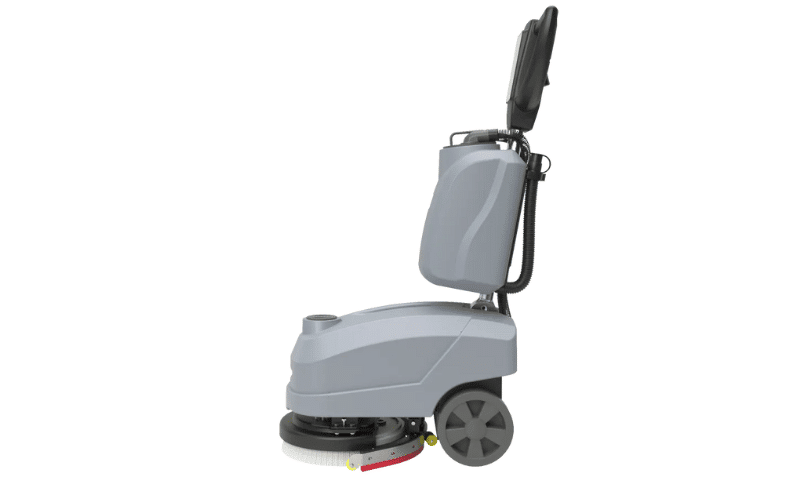

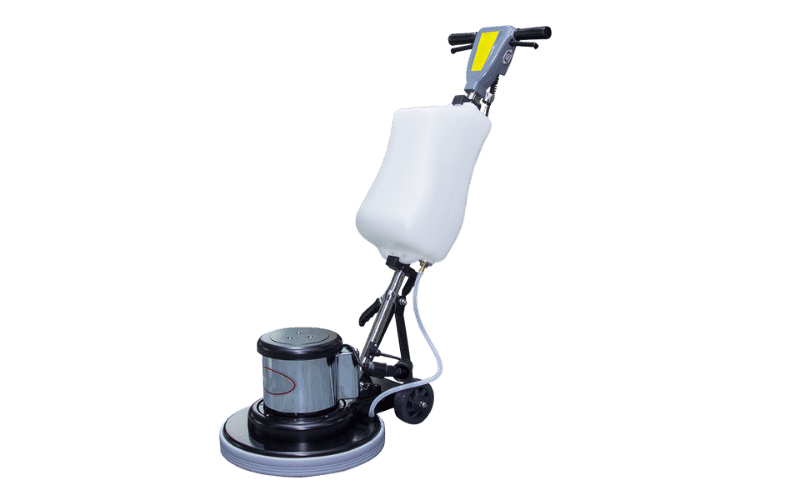
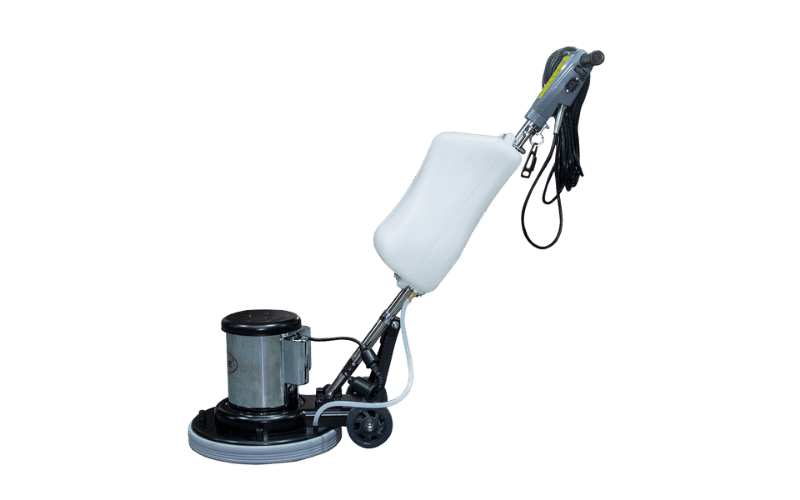
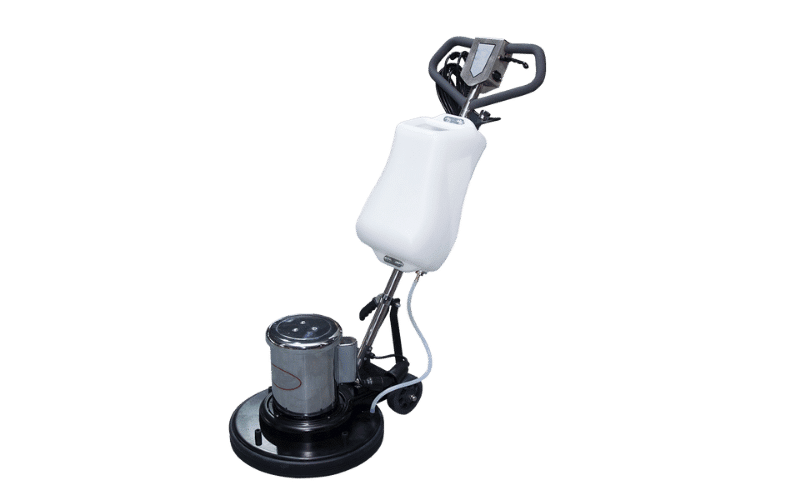
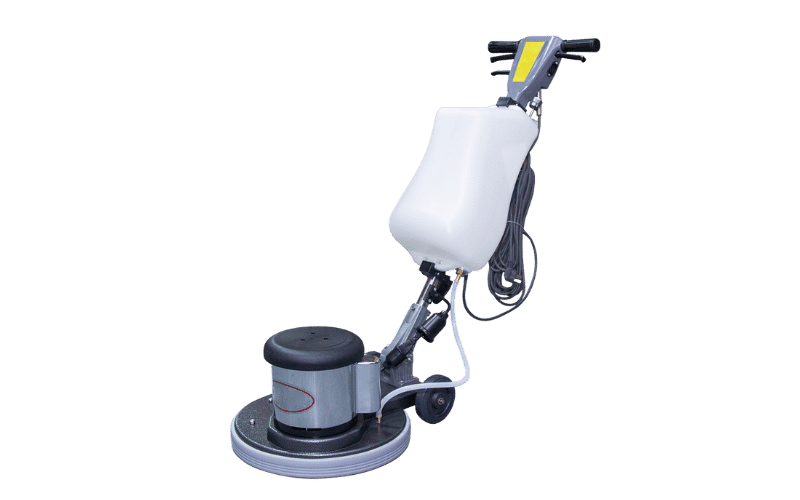
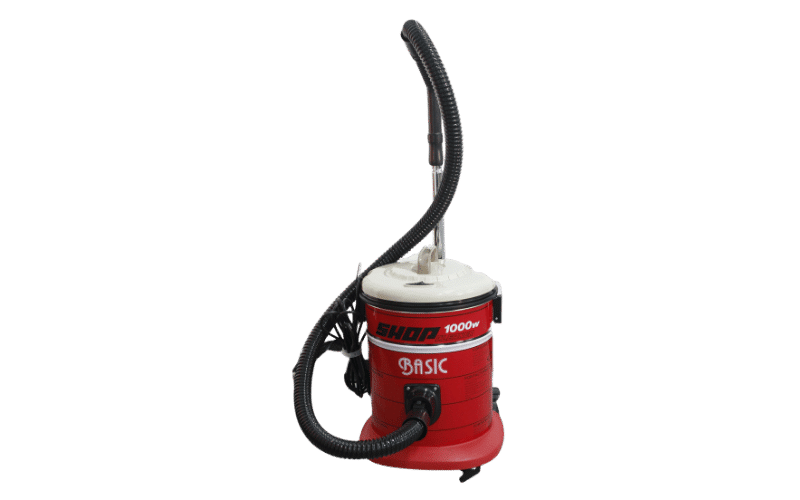



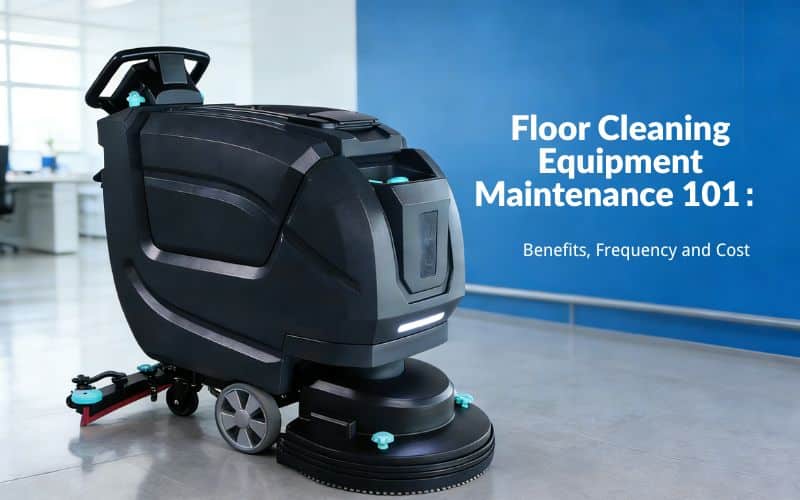
Regular maintenance is essential to keeping floor-cleaning equipment, such as scrubbers and sweepers, in top condition. Just like any other machinery, these devices require routine servicing to ensure they operate safely and perform optimally. Neglecting maintenance can lead to unexpected breakdowns, disrupting cleaning schedules, and reducing productivity. More importantly, it can create safety hazards for operators and others in the vicinity.
Proper upkeep is a critical investment. By staying on top of maintenance, businesses ensure their equipment cleans effectively, lasts longer, and avoids expensive emergency repairs. A consistent maintenance program is the key to maximizing the return on your equipment investment while ensuring a safe and efficient working environment for your team.
Benefits of Floor Cleaning Equipment Maintenance
While many teams appreciate avoiding the hassle of a broken machine, the advantages of regular maintenance extend far beyond that. Whether your primary concern is safety, efficiency, or your budget, routine inspections and timely repairs will benefit your operations. The most successful facilities integrate equipment maintenance into their daily routines. Following this practice sets any team up for success with several key benefits:
Improved Safety
Malfunctioning equipment can cause serious accidents. A worn squeegee can leave wet spots on the floor, creating slipping hazards. Faulty wiring could pose electrical risks to the operator. By performing regular checks and addressing issues promptly, you prevent unnecessary accidents and ensure a safer environment for everyone.
Greater Productivity
When a floor scrubber or sweeper breaks down, cleaning operations come to a halt. This downtime can disrupt schedules and impact the overall cleanliness and appearance of your facility. A well-maintained machine, on the other hand, performs consistently and cleans more efficiently. Even a quick daily inspection ensures your equipment is ready to handle its tasks, keeping your team productive.
Maximum Service Life
Routine maintenance helps you catch small problems before they become major, expensive repairs. This proactive approach saves significant money over the long term. Additionally, it ensures you get the most use out of your equipment throughout its lifespan. The small cost of frequent upkeep is minimal compared to the expense of a major overhaul or premature replacement.
Higher Resale Value
Many companies choose to upgrade their equipment after a few years. A machine with a complete service history and in excellent condition will fetch a much higher price on the resale market than one that has been poorly maintained. In this way, regular maintenance is an investment that pays off when it’s time to sell or trade in your equipment.
How Often Should Floor Cleaning Equipment Be Maintained?
The ideal maintenance frequency for floor cleaning equipment depends on several factors, and a one-size-fits-all schedule rarely works. While some quick checks should be done daily, more intensive servicing might only be needed quarterly or semi-annually. To determine the right maintenance schedule for your machines, consider the following points:
- Usage Hours: A floor scrubber used for several hours every day in a busy warehouse will require more frequent attention than a machine used once a week in a small office. High-use equipment may need weekly or monthly checks, while less frequently used machines can be serviced quarterly.
- Type of Equipment: Different machines have unique maintenance requirements. A walk-behind battery-powered scrubber has different needs than a large, ride-on propane-powered sweeper. Each type has specific components, such as batteries or engines, that require their own service schedule.
- Operating Environment: The environment where the equipment is used plays a significant role. A machine operating in a dusty industrial plant or a construction site will accumulate dirt and debris faster than one used in a clean retail space. Harsher environments necessitate more frequent cleaning and inspection.
- Manufacturer Guidelines: The most important resource for maintenance scheduling is the manufacturer’s manual. It provides a detailed timeline and checklist based on hours of operation. Always follow these recommendations to ensure you meet the minimum service requirements and keep your warranty valid.
Daily Maintenance Checklist for Floor Cleaning Equipment
While a certified technician should handle more advanced upkeep, operators can and should perform a basic daily inspection. By running through this checklist, you can ensure your floor cleaning equipment is safe and ready for the day’s work. A daily check is the first line of defense against potential issues that could cause downtime or safety risks. This checklist is divided into two parts: pre-operation and post-operation tasks.
Before Use
This pre-operation checklist covers the parts an operator should inspect before starting the machine. These checks focus on safety, functionality, and cleaning effectiveness. To begin, the operator should:
- Check hoses, brushes, and squeegees for wear, tears, or damage.
- Inspect fluid levels, including clean water, detergent solution, and battery electrolyte (for wet-cell batteries).
- Ensure all safety features are functioning, including the horn, safety lights, brakes, and emergency stop button.
- Clean the operator compartment and remove any debris from around the machine.
- Confirm the recovery tank is empty and clean.
- Look for any visible signs of damage or leaks on the machine.
After Use
This post-operation checklist involves the tasks an operator must complete after finishing their cleaning duties. Proper shutdown procedures are crucial for maintaining the machine’s longevity and ensuring it’s ready for the next use. Operators must:
- Empty, rinse, and clean the recovery tank to prevent odor and bacterial growth.
- Rinse the brushes, pads, and squeegees to remove dirt and prevent buildup.
- Wipe down the exterior of the machine.
- Park the machine in its designated storage area.
- Plug in the battery charger or refuel the machine as needed.
- Report any damage or operational issues discovered during use.
Long-Term Preventative Maintenance for Floor Cleaning Equipment
Daily upkeep is your first line of defense against equipment failure, but long-term preventative maintenance is just as critical. By categorizing service tasks into monthly, quarterly, and semi-annual checklists, you can ensure all equipment components are inspected within a safe and appropriate timeframe. While some of these inspections may require a trained technician, the cost is a small price to pay for long-term reliability and safety.
| Monthly Tasks | Quarterly Tasks | Semi-Annual Tasks |
|---|---|---|
| Inspect and clean all filters (solution and vacuum). | Test motor performance and listen for unusual noises. | Replace air and fuel filters (for engine-powered models). |
| Check battery connections and cables for corrosion. | Inspect and replace worn brushes, pads, or squeegee blades. | Inspect and tighten all visible bolts, nuts, and fasteners. |
| Lubricate all designated moving parts and pivot points. | Check hydraulic systems and hoses for any leaks or damage. | Perform a full diagnostic check of all electronic systems. |
| Verify the vacuum system is providing adequate suction. | Inspect the condition and tension of drive belts or chains. | Flush and clean the solution and recovery tanks thoroughly. |
| Check for and tighten any loose hardware. | Test the function of all switches and control levers. | Check wheel condition and replace if worn. |
General Maintenance Tips for Floor Cleaning Equipment
The checklists above will help you optimize the condition and longevity of your floor-cleaning equipment. For teams that want to go the extra mile, a few additional habits can further enhance your maintenance program. By keeping these general tips in mind, you will do more to extend your machine’s service life and prevent unexpected downtime.
Some examples include:
- Clean Regularly: At the end of every shift or workday, operators should ensure their machine is wiped down. A clean machine makes it easier to spot leaks or damage.
- Inspect After Impact: After any collision or accident, no matter how minor, thoroughly check the machine for signs of damage before returning it to service.
- Train Your Operators: Ensure that only trained and authorized operators perform daily maintenance checks. This prevents incorrect procedures that could cause damage.
- Use a Tracking System: Implement a logbook or a computerized maintenance management system (CMMS) to schedule service, track repairs, and record maintenance history for each machine.
- Act Fast: Whenever an operator reports an issue, address it promptly. Delaying a small repair could lead to more significant damage or a safety incident.
Maintenance Requirements by Equipment Type
While some general maintenance tips apply to all floor cleaning equipment, it is important to remember that different models have unique needs. Depending on the machine’s power source, operators must take extra precautions to prevent malfunctions and ensure safe operation. By understanding the specific requirements of each device, your team can maximize performance and avoid hazards.
Battery-Powered Machines
Electric floor scrubbers and sweepers are the most common type, especially for indoor use. Before the operation, operators should check that the battery cables are secure and free of corrosion. For wet-cell batteries, electrolyte levels must be checked and topped off with distilled water regularly. It is also crucial to follow proper charging protocols—avoid both overcharging and letting the battery drain completely, as this can shorten its life.
Propane-Powered Machines
These machines offer longer runtimes and are often used in large industrial facilities. Maintenance requires operators to inspect the propane tank to ensure it is securely mounted and shows no signs of leaks or damage. Hoses, valves, and fittings must be checked for secure connections before every use. The tank’s pressure relief valve should also be inspected to confirm it is pointing in the correct direction.
Diesel or Gasoline Machines
Internal combustion machines deliver the most power and are typically used for heavy-duty outdoor or large-scale applications. To keep them running properly, technicians must regularly check engine oil, coolant, and fuel levels. The air filter should be inspected, cleaned, or replaced frequently, especially in dusty environments. Finally, the exhaust system should be checked for leaks or damage.
How Much Does Floor Cleaning Equipment Maintenance Cost?
The cost of maintaining floor cleaning equipment varies based on several factors. In general, you can expect annual servicing costs to range from approximately $1,000 to $5,000, but this is a broad estimate. The final figure can change significantly based on your specific equipment and service plan. When a broken machine can set a company back hundreds or even thousands of dollars in lost productivity, many managers find that proactive maintenance is well worth the investment.
Key factors that influence cost include:
- Frequency of Use: The more you use a machine, the more frequently it will need parts like brushes and squeegees replaced.
- Type of Equipment: A large, ride-on sweeper with a combustion engine will typically have higher maintenance costs than a small, walk-behind battery scrubber.
- Cost of Parts and Labor: The cost of replacement parts and the service technician’s hourly rate will directly affect your overall costs.
To save money, perform daily maintenance in-house to catch issues early. Also, consider signing up for a planned maintenance program or service contract with your equipment provider, which can offer predictable costs and priority service.
Conclusion
Regular maintenance is not just a recommendation; it’s a fundamental requirement for any business that relies on floor cleaning equipment. Consistent upkeep delivers tangible benefits, including improved employee safety, greater productivity in your cleaning operations, and significant long-term cost savings. By preventing major breakdowns and extending the lifespan of your machines, a proactive maintenance plan maximizes your return on investment.
To keep your equipment in top condition, encourage your team to follow the daily checklists and adhere to the manufacturer’s recommended service schedule. A well-maintained floor scrubber or sweeper is a reliable asset that contributes to a cleaner, safer, and more efficient facility. Don’t wait for a problem to arise—make maintenance a priority today.