



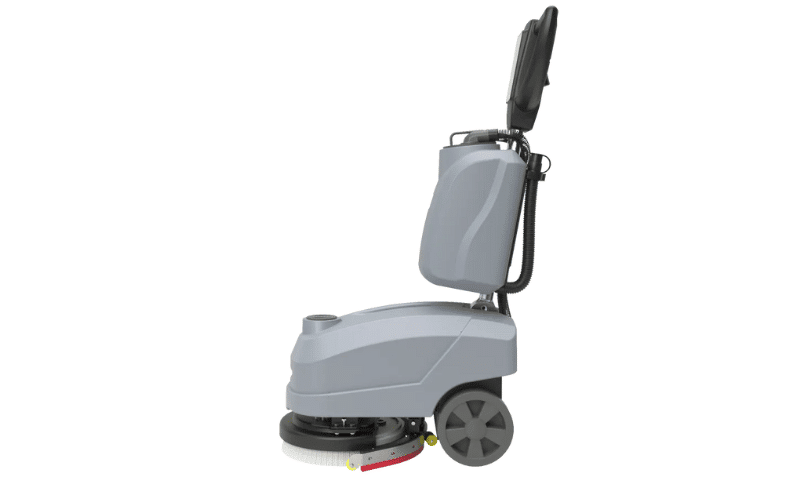

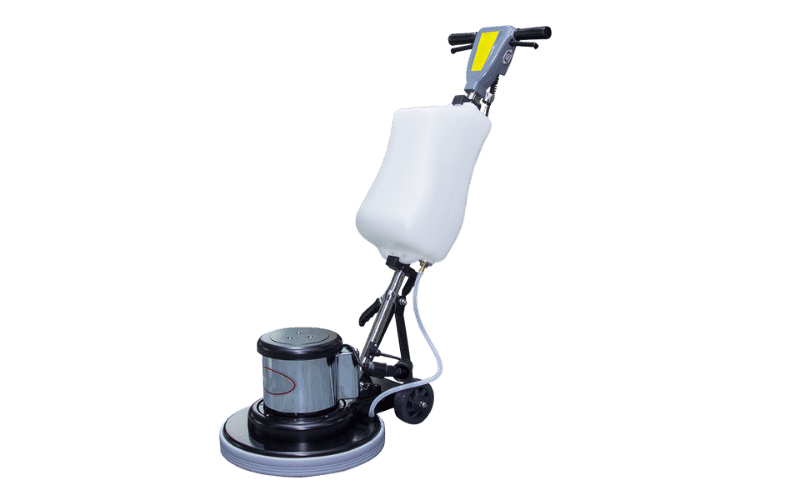
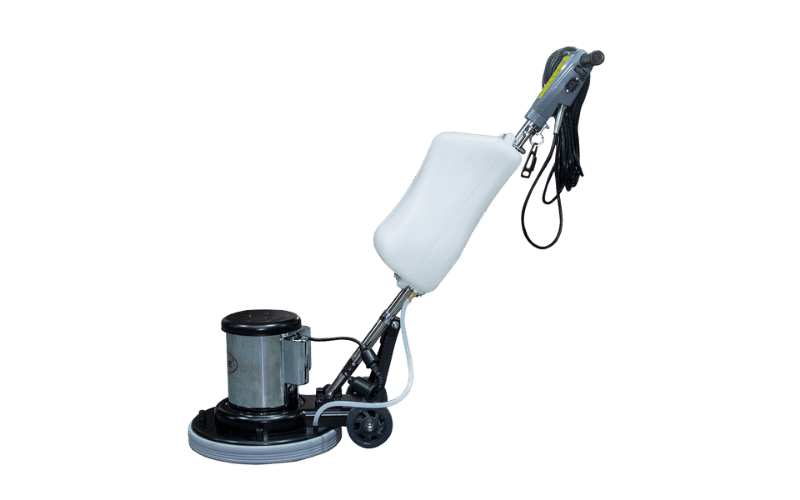
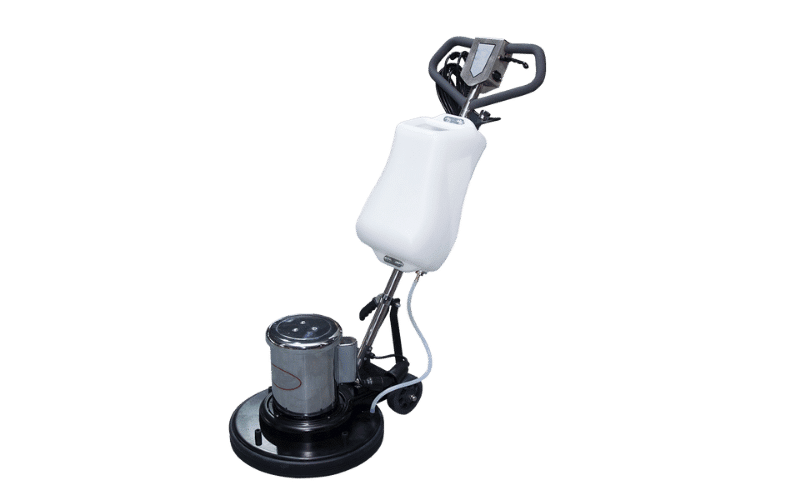
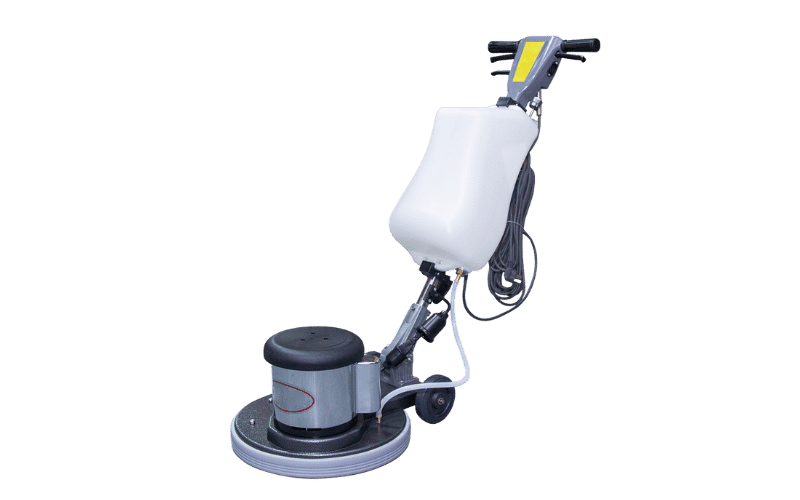



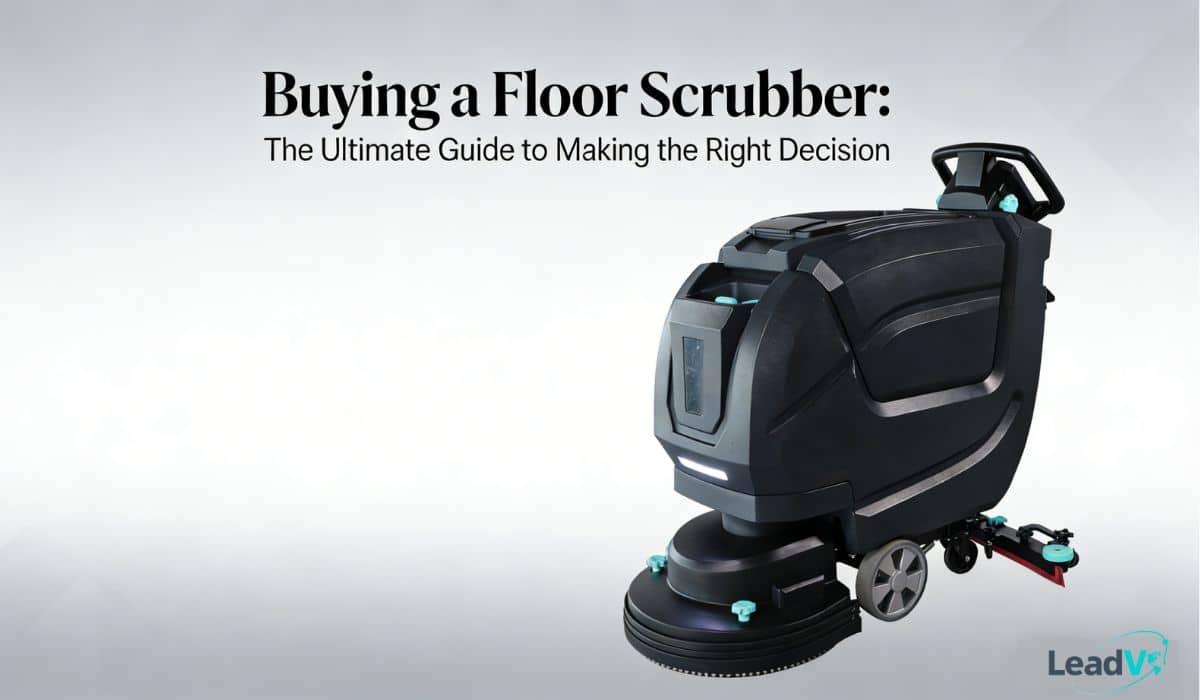
Buying a floor scrubber can be difficult, especially if you do it for the first time. Why? There’s a lot to consider such as tank capacity, cleaning path width, type of power source, brush pressure, and operator ergonomics. If you’re buying a used floor scrubber, you can also look for things like damage to the squeegee assembly, wear on the brush motors, tank integrity, the condition of the battery, and more. And then there’s consideration of cost and manufacturer.
So, this post is your ultimate guide to buying a floor scrubber. Inside, you’ll discover the following:
- Factors involved in buying a floor scrubber.
- Costs.
- Places to buy from.
- What to beware of.
- And LOTS more!
Let’s dive in!
Floor Scrubber Basics
Buying a floor scrubber is an investment for your business, but choosing the incorrect floor scrubber could be a financial burden instead of an asset. The right floor scrubber will help you save money, decrease overall downtime, increase cleaning productivity, and maintain a spotless facility. Conversely, the wrong machine can leave floors dirty, break down frequently, and frustrate your staff.
So, here are some floor scrubber purchasing factors to check out as you go to buy a floor scrubber, especially buying a floor scrubber for the first time:
A floor scrubber is essentially a mechanical replacement for the mop and bucket, but it does so much more. It applies cleaning solution, scrubs the floor with significant pressure to remove grime, and then vacuums up the dirty water, leaving the floor dry and safe immediately. This process eliminates the “slip and fall” risks associated with wet mopping and ensures a deeper level of hygiene. However, selecting one isn’t just about picking the biggest machine; it’s about matching the machine’s capabilities to your facility’s unique challenges.
Whether you manage a small retail store, a sprawling warehouse, a hospital, or a school, the basics remain the same: you need a machine that fits your space, your budget, and your cleaning standards. Ignoring these basics often leads to purchasing equipment that is either overkill for the job—wasting capital—or woefully underpowered, leading to overtime costs and poor results.
Factors to Consider When Buying a Floor Scrubber
1. Research, Floor Scrubber Type Selection
When you purchase a floor scrubber, you must know what you want and your operation’s requirements. Like a car, you’ll want to select the best brand, model, and type for your operations. Because of the wide range of products in the cleaning equipment market, you must first know what you’re trying to accomplish in your operations.
That means you’ll first audit your operation and answer questions such as:
- What environment are you operating in — retail, industrial warehouse, healthcare, education, etc.?
- What is the total square footage you need to clean?
- Where will the floor scrubber primarily be used – indoors, outdoors, or both?
- How wide are the operating area’s aisles, doorways, and checkout counters?
- How many hours will the floor scrubber machine be in use per day?
- What types of flooring surfaces will your machine need to clean (concrete, VCT, tile, epoxy)?
- Are there any specific accessories you will need, like off-aisle wands?
- Do you have properly trained operators?
- What floor scrubber machine/power type will you need (battery, cord-electric)?
- And more
Answering these questions will help you understand the floor scrubber model and type you need before you settle on the brand. For example, a small walk-behind unit is perfect for tight classrooms, while a large ride-on is essential for a 100,000-square-foot distribution center.
2. Technical Specifications
Buying a floor scrubber is like buying an ordinary car, apart from the technical specs you must check out for such as:
- Tank capacity (Solution and Recovery)
- Scrub deck size and type (Disc vs. Cylindrical)
- Squeegee width and material
- Down pressure settings
- Motor type and horsepower
- Operator ergonomics and visibility
- Manufacturer’s reachability for support.
- Safety features like emergency stops and non-marking tires
- And more!
Understanding these specs ensures you don’t buy a machine that runs out of water every 10 minutes or one that can’t cut through the grease on your shop floor.
3. Floor Scrubber Model/Brand Selection
Once you understand the floor scrubber type you want and its technical specifications, your next step is to settle on the brand and model. Since different floor scrubber manufacturers and brands have different models, settling on one can be challenging.
You need to research and review each floor scrubber manufacturer and their brands using some of the following questions:
- Brands: What are the best floor scrubber brands? Refer to lists of top cleaning equipment manufacturers.
- Type: What are the different types of floor scrubbers in the model category among brands?
- Dimensions: What is the most popular floor scrubber size in that model category among brands? Can it fit your operations?
- Price: How much does the floor scrubber brand and model cost? How much is the cost of a new vs used floor scrubber in the model and brand?
- Ownership: How does the ownership model of the machine look? For instance, who will carry out the floor scrubber repair/maintenance/care? Can you access dealership-provided maintenance?
After addressing these questions, you can confidently select the floor scrubber brand and model that best meets your operational needs. This choice should be the right fit for you unless you discover the need for alternative cleaning options.
4. Research Brands and their Dealerships
Additionally, research the brands and dealers of the floor scrubber(s) you want to settle on. Since buying a floor scrubber is a capital investment, you need a dedicated partner for better ROI. A partner can be a floor scrubber manufacturer or a specialized cleaning equipment dealership.
The partner you get will help you with all your facility maintenance needs throughout your ownership rather than someone who will just sell you a machine. You may find a lesser-known floor scrubber brand and a cheaper up-front price online, but how easy will it be to get squeegee blades, brushes, or replacement motors? And why are they lesser known and cheaper?
That is why we recommended dealing with established dealerships. You can visit the dealership and ask about the parts availability, technicians’ required skill level, and any references from similar businesses. Choosing a dealership means you get a partner for your cleaning machine for many years. To help you get started, look for local authorized dealers with a strong service department.
5. New or Used Floor Scrubber
Next, you’ll decide if you want a new vs. used floor scrubber. When deciding between a new or used floor scrubber, several factors come into play:
- Price and cost consideration (what your budget allows, negotiation).
- Floor scrubber operation hours (how much life is left).
- Availability (do you need it tomorrow?).
- Service and dealership access.
- Maintenance costs (used machines may need more repairs).
- Warranty coverage.
As a general rule of thumb, consider a new floor scrubber if you’ll run the machine daily for large areas. Why? When factoring in the operation hours and maintenance costs, a new floor scrubber may serve you better in the long run due to reliability and warranty support. But you will also consider its availability, service, dealership access, and costs. If a new one costs beyond your budget, a used floor scrubber can still help you achieve your operation needs, provided it has been refurbished correctly.
6. Safety and Operator Considerations
While floor scrubber safety is a technical feature, it’s also a subjective requirement. Once you check the floor scrubber’s safety features during the technical overview, you must also compare its safety to the operating environment and operators. You’ll need to consider the safety requirements of your people and your operation.
For instance, does one of your operators have limited mobility? In this case, you must consider the floor scrubber brand with the best ergonomics, such as low step-in height for ride-ons or easy-to-push walk-behind models. Floor scrubber safety is crucial to operation success and overall worker productivity. You do not want a machine that is difficult to control or has poor visibility, leading to accidents with shelves or walls.
So, select the brand with the best standard safety features for your operations, such as ergonomic handles, clear lines of sight, anti-skid tires, and intuitive controls that reduce training time.
7. Settle on a Floor Scrubber and Test Drive
After all the research and settling on a particular floor scrubber, you can schedule a demonstration (i.e., a test drive for cars). With the help of a manufacturer or dealership, you can use the machine in your facility for a few hours or a day to ensure it works well for your application and that the operator likes it.
You can also check if you have the proper maintenance equipment, such as water filling stations, drains for dirty water, and storage for charging an electric floor scrubber. Like consulting with family members when buying a car, you can consult with your janitorial staff before you settle on the floor scrubber. The important thing is to get the right floor scrubber for your operations.
8. Sign the Paperwork and Floor Scrubber Delivery
Once you have tested the floor scrubber and feel it passes your demo requirements, your next stop is signing the paperwork. Just like you’d buy a car. Make sure you check everything and tick the right things before you buy the floor scrubber, including warranty details and service agreements.
After that, you can have it delivered if you’re buying a floor scrubber. Most dealerships and floor scrubber manufacturers will offer delivery of the machine to your premises and often include operator training as part of the package.
Buying a Floor Scrubber: Key differences between buying a car and a floor scrubber
If you’re buying a floor scrubber for the first time, here are some key differences between buying a car and buying a floor scrubber:
Consultations and Decision: If you’re married, you must be clear with your spouse when buying a car. When a business buys a floor scrubber, the facility manager, procurement officer, maintenance supervisor, and lead custodian may have to agree about the floor scrubber. A floor scrubber purchase is a decision by a “committee” and not an individual decision.
Safety of operation: People buying a car think about keeping their passengers (like friends or family) safe and comfortable. Businesses buying a floor scrubber care about the safety of their operators and the people walking on the floors immediately after cleaning. But when different custodians use the same floor scrubber, it is hard to make a decision that everyone is okay with regarding comfort and usability.
Technical aspects of floor scrubbers: There are many technical factors to consider when purchasing a floor scrubber. These factors include the type of brush deck (cylindrical vs disc), which depends on the debris type, and the type of squeegee rubber based on the chemicals used. You also need to consider the tank size vs battery life ratio, how much down pressure is needed for your specific soil load, its physical width to fit through aisles, and more. Private car buyers don’t need to think about these specific details.
What Can Go Wrong When Buying a Floor Scrubber?
There’s a lot of information about what you should do when searching for the best floor scrubber for your unique operations. But, have you ever wondered why someone didn’t warn you when you were about to make a mistake on your floor scrubber decision you can’t get back?
Here are some of the things that may go wrong when buying a floor scrubber:
1. Compromised Safety
Examples of compromised safety situations include:
- Buying a floor scrubber that leaves the floor too wet because the vacuum motor is underpowered for the squeegee width, causing slip-and-fall hazards.
- Using a standard brush on a delicate floor finish, stripping away the wax and damaging the substrate.
- Using a non-explosion-proof machine in a hazardous environment where combustible dust or fumes are present.
Find a floor scrubber designed for the specific operation and your business’s unique safety needs.
2. Buying on Price Alone
While the cheapest floor scrubber that meets your minimum width requirements is tempting to purchase, it’s not a great idea. There are many other important factors to consider before buying a floor scrubber, and the upfront price is only one. Don’t just ask how much is a used floor scrubber or how much is a new floor scrubber.
Also, check out to ensure you’re not paying expensive upfront costs with related expensive maintenance costs. Cheap machines often use lower-quality parts that break faster. Not considering the total cost of ownership is disastrous. Spending a little more upfront cost can be an investment, especially if your operations can become more efficient and productive over time.
3. Not Buying from a Dependable Dealer
We recommend buying a floor scrubber from a dealer, but you must research and ensure the dealer you’re buying from is reputable and dependable. Buy your floor scrubber from a reputable and dependable dealer who will provide emergency and general maintenance when needed. Otherwise, you risk considerable downtime if your floor scrubber breaks down and parts are weeks away.
4. Not Trying the Floor Scrubber Before You Buy
Once you’ve decided on the make, model, and manufacturer of the floor scrubber you want, there are two things you can do:
- Request a demo from a dealer with enough time to try out the floor scrubber on your dirtiest floors.
- Rent a similar make and model to try it out in your work conditions for a week.
You must do this to ensure your operators have input on the floor scrubber type and operation. They will be the ones driving and operating the machine all day. If they find it hard to empty the tanks or change the brushes, they won’t maintain it properly.
5. Wasted Money
If you can’t use the floor scrubber because it’s the wrong fit (e.g., too big for the aisles or too small to clean the facility in one shift), it’ll just sit there for whatever reason. Idle floor scrubbers don’t make money – they only cost money in storage and depreciation.
6. Look bad
Whoever buys the floor scrubber will be held accountable. If your boss sees the machine sitting unused in the janitor’s closet, how will you defend the decision? If you buy a floor scrubber that all your operators hate, they might resent you for buying it (and they probably won’t use it either, a “double-whammy” of a problem). Yet, no one wants to look bad. So, you can consult and make the right decision when buying a floor scrubber.
7. Not Considering the Floor Scrubber’s Maintenance Plan
Obtaining an initial maintenance plan helps you gauge whether or not you have the proper infrastructure and qualified personnel for the floor scrubber. Additionally, you’ll determine if the manufacturer or dealer offers regular emergency floor scrubber maintenance. This preparation aids in effectively planning for floor scrubber maintenance to avoid significant downtimes.
10 Benefits of Buying a New Floor Scrubber
Deciding which floor scrubber manufacturer and model to buy can be a challenge. Determining how to procure that equipment, however, shouldn’t be difficult. If you’re deciding to buy new vs used floor scrubbers, here are the benefits you’d get if you purchase a new floor scrubber:
- Best condition: A new floor scrubber comes in the best condition: new, no wear on the tanks or motors, new features, and better performance. In addition, you have no doubt where it came from, its utilization, how it’s been cared for, etc.
- Access to Updated or Latest Features: Much like other automobiles, floor scrubbers are constantly updated and improved. These can be feature improvements like chemical mixing systems, enhanced water recovery, quieter operation modes, digital control panels with diagnostics, and Lithium-ion battery options. Buying a new floor scrubber means you get these latest features, smoother operation with less downtime and more safety.
- Excellent performance guaranteed: When you purchase a new floor scrubber, you can be sure it will perform at its best. It will bring peace of mind to your business because you’re getting a never-used machine, ensuring reliability and top-notch cleaning results.
- Return on Investment: Buying a floor scrubber provides a better return on investment (ROI) than long-term rentals. Why? You get the floor scrubber’s maximum performance at peak. It’s the only way you can resale the floor scrubber and earn from its residual value. Rental fees are higher than monthly financing costs.
- Ability to Customize: Customization is a key factor to consider when you’re acquiring a floor scrubber. Buying a floor scrubber means you have ownership of it and hence have the right to customize it tailored to your applications. You can choose specific brush types, squeegee materials, or add accessories like overhead guards or spray wands.
- Availability: New equipment gives you the advantage of being very specific with your requirements. Buying new equipment allows you to be highly specific with your requirements. Unlike purchasing a used floor scrubber, where you’re limited to what’s available in the secondary market, buying new lets you benefit from the features tailored to your needs.
- Warranty: New floor scrubbers generally have a multi-year warranty, whereas used floor scrubbers may only have a multi-month warranty. Depending on the manufacturer, your new floor scrubber will probably come with a warranty lasting 3 to 10 years on tanks and 1 to 3 years on parts. Compared to used floor scrubbers, which either have 30 or 60-day warranties or even no warranty, you’ll come away with much greater peace of mind with a new floor scrubber.
- Tax Deduction: Unlike rented or leased vehicles, floor scrubbers purchased NEW can be eligible for tax deductions. For instance, when you buy a new floor scrubber, the equipment becomes an asset you can claim depreciation on (Section 179) and borrow against.
- No Liability and Usage Restriction: Rental and lease floor scrubbers must be returned after a set period and in a reasonable condition based on the conditions in your contract. If you buy a new floor scrubber, it belongs to you, so cosmetic damage isn’t as much of a concern. This benefit means you won’t get charged at the end of the lease for things like worn tires, cosmetic damage, etc.
- Employee Satisfaction: Believe it or not, employee satisfaction helps increase efficiency in your facility operations. Just think, who will complete more work: a frustrated worker or a happy one? Buying a new floor scrubber simplifies the operator’s job because it comes with enhanced features, offers greater versatility and safety, and helps reduce physical strain. In short, you’re making the employees’ lives easier and showing that you care about them. It will boost their morale and satisfaction.
5 Benefits of Buying a Used Floor Scrubber
Why buy a used floor scrubber? Buying a used floor scrubber (second-hand floor scrubber) also comes with some advantages and benefits, such as the following:
- The Lower overall initial cost: Used floor scrubbers have an overall lower initial cost compared to new floor scrubbers. Take advantage of depreciation to get “nearly new” equipment at a steep discount over “actually” new equipment. The concept of “driving off the lot” immediately makes a machine lose value. It also allows you to negotiate for a lower price on the used floor scrubber and upgrades, like new batteries or squeegees.
- Shorter Lead Times; Get it Faster: Sometimes, you have the advantage of availability when buying new floor scrubbers, but sometimes it’s when buying used ones. Most cleaning equipment dealerships have ample stock of trade-ins. So, when you order a used floor scrubber, you won’t have to wait for it to ship from the factory. In many cases, you can get a used floor scrubber the same day, but you’ll face a much longer lead time buying a new one.
- Seasonality Needs: Renting or buying additional floor scrubbers for seasonal needs is a cost-effective strategy. When buying a used floor scrubber at a lower price, you can use it throughout the busy season (like winter with salt/snow), then dispose of it during the off-season.
- Larger selection: You can find used floor scrubbers at dealerships, as they often have large quantities available compared to their new stock. Since they have more used floor scrubbers, you can easily find a used machine that meets your application requirements. That will save you on costs like research and transportation.
- Faster ROI: The “get it faster” component of used floor scrubbers also means you can start being productive faster. The sooner you get the machine, the sooner you can put it to work cleaning your floors. And the sooner you can put it to work, the faster you can recoup your initial investment. For example, a used battery floor scrubber will arrive faster, and if it’s in good working condition, you can put it to work immediately.
9 Items to Inspect Before Buying a Used Floor Scrubber
After buying a used floor scrubber, you must ensure you get risk-free equipment. This implies you have to inspect the floor scrubber before you “drive it off the lot” to give it a clean bill of health. In addition to considering the price of the used floor scrubber, carefully assess its physical condition and thoroughly examine every crucial aspect of the machine.
Here are nine items regarding what to look for when buying a used floor scrubber (pre-purchase floor scrubber evaluation):
1. Tanks and Frame
Check the chassis and structural integrity of the floor scrubber. Look out for issues like:
- Cracks in the rotomolded plastic tanks (Solution and Recovery).
- Signs of impact damage on the frame.
- Corrosion on metal parts, especially the battery tray.
- Loose cowling or covers.
- Signs of repair or modifications.
- Any other physical damage.
Also, check the squeegee assembly mounting points. Don’t worry about little dings and scratches on a floor scrubber body when buying a used floor scrubber. These are normal for a machine that cleans tight spaces. However, large cracks or tanks that leak are significant issues. Fill the tanks with water to test for leaks before buying. If the floor scrubber’s overall condition doesn’t match the hours on the hour meter and its known use, this is a cause for concern.
2. Motors (Vacuum and Brush)
See what shape the vacuum motor and brush motors are in. Generally, the motors should sound smooth and not high-pitched or grinding. After running the floor scrubber for a few minutes, do the following:
- Listen for any strange noises from the vacuum motor (whining could mean bearing failure).
- Check the brush motors for consistent rotation and power.
- Inspect for any smell of burning electrical components.
- Check for loose wires or corrosion on motor connections.
- Ensure the vacuum motor provides strong suction at the squeegee.
Check the floor scrubber hours to determine if it’s nearing its useful life or has surpassed it. Most of these issues can be costly to repair. Assess its overall value and aim to identify any significant issues before making the decision to purchase to determine if it is worth it.
Also, check the hour meters, key-on, transport, and scrub hours. For instance, 500 hours on a high-quality industrial scrubber is when it’s “just getting started.” Some units last over 5,000 hours. Other common floor scrubber useful hours to check include:
- Hours per year: The average floor scrubber is usually used between 300 and 700 hours per year.
- Floor scrubber useful life: Generally, expect floor scrubbers to last about 2,000 to 5,000 hours depending on maintenance. Beyond that, the floor scrubber might not help you.
3. Squeegee Assembly
On a used floor scrubber, carefully inspect the squeegee assembly and thoroughly check all components, looking for:
- Bent or damaged metal squeegee brackets.
- Worn or torn rubber squeegee blades (these are consumables but check the mounting).
- Broken or missing adjustment knobs.
- Clogged or damaged vacuum hoses connecting the squeegee to the tank.
Also, check the squeegee lift mechanism. It should be a smooth operation, raising and lowering easily. Test and ensure the squeegee picks up water effectively without leaving streaks during a test run.
4. Electrical System
Check if the floor scrubber’s electricals are in good operation. Check the:
- Dashboard: It lights up, functions, and all the gauges/battery indicators are in good working order.
- Switches and Buttons: Ensure all scrub, vacuum, and solution switches work reliably.
- Wires: Especially for corrosion and loose connections in the battery compartment.
Also, test the horn, lights (if equipped), and other electrical components to see if they’re in good working order. You must also verify the floor scrubber hour meter reading and ensure it has not reset or broken.
5. Scrub Deck
First, make sure that the machine has the right scrub deck type (cylindrical or disc) for your needs. After that, you need to check each component’s condition.
- Look for damage to the deck shroud or skirt.
- Check the brush drive hubs or gimbals for wear.
- Ensure the deck raises and lowers smoothly (actuators or manual foot pedals).
- Check for excessive vibration when the brushes are engaged.
- Make sure the water solution feeds evenly to the brushes.
Watch for too many repairs or poorly performed maintenance on the deck.
6. Brushes and Pads
Check out the floor scrubber brushes or pad drivers and make sure they’re working correctly. Whether it is a disc brush, pad driver, or cylindrical brush, each component should undergo inspection for signs of uneven wear and damage. Ask the dealership rep if the machine comes with new brushes or if you need to buy them separately.
7. Solution System
The water delivery system is crucial. Check the following:
- Solution filter/strainer for clogs or cracks.
- Solution valve operation (does it open/close fully?).
- Solenoid valve function.
- Leaks in the tubing or fittings.
If the solution doesn’t flow properly, the machine cannot clean.
8. Tires/Wheels
The condition of floor scrubber tires is a critical factor that requires thorough examination prior to purchasing a used floor scrubber. Look out for flat spots, chunks missing, and separation from the rim.
- Get down and look/feel for any signs of wear.
- Check the casters for smooth rotation and swivel.
- Ensure the drive wheels (if traction drive) have good tread for grip on wet floors.
If the tires are worn, the machine may slip on wet surfaces, creating a safety hazard.
9. Safety Devices
Never forget to examine safety features when buying a used floor scrubber. Test floor scrubber safety features like the emergency stop button, key switch, and dead-man switch (operator presence switch). Ensure that they’re all in good working order and operable. For instance, OSHA may have a problem if you have a safety switch installed, but it doesn’t work.
Floor Scrubber Maintenance and Battery Considerations
Your electric floor scrubber must have the proper floor scrubber battery to function. If buying a used floor scrubber, check if it has a compatible battery pack for the machine. What kind of shape is it in? The only way to know is by load testing or checking the water levels (if lead-acid). The battery should also be clean, with good connections and no corrosion around the posts.
If buying new, there are lots of considerations, including:
Battery Types
Check that the battery installed in the floor scrubber is the right one. There are:
- Lead-acid (Wet/Flooded) batteries: Cheapest upfront, require watering maintenance.
- AGM/Gel (Sealed) batteries: Maintenance-free, more expensive, sensitive to overcharging.
- Lithium-ion batteries: Most expensive, longest life, fastest charging, zero maintenance.
Floor Scrubber Battery Voltages
Floor scrubber batteries come in different voltages, depending on the size of your equipment, such as:
- 12 Volts: Very small micro-scrubbers.
- 24 Volts: Most walk-behind scrubbers and small ride-ons.
- 36 Volts: Mid-sized to large ride-on scrubbers.
- 48 Volts: Large industrial ride-on scrubber-sweepers.
Confirm the voltage your floor scrubber can handle because a wrong voltage can cause significant damage to the equipment. Also, ensure that the Voltage and amp-hour match. Is the battery 24V? 36V? Does it match the right Ah for your runtime needs?
Battery Maintenance Tips
Maintaining the floor scrubber battery is just as crucial as the battery itself. Proper floor scrubber battery maintenance helps preserve the useful life span of your battery. Maintenance requirements depend on the type of battery and your work operations.
For example, Lithium-ion batteries are sealed and require little to no maintenance. However, lead-acid batteries require frequent maintenance to prevent degradation of the chemical process. The key activities in lead-acid floor scrubber battery maintenance include:
- Regular Watering: Only after charging, never before.
- Proper charging: Don’t opportunity charge unless the battery is designed for it.
- Cleaning: Keep terminals free of acid corrosion.
- Equalization: Periodic overcharging to balance cells (for flooded batteries).
Where to Buy a Floor Scrubber: The Good, the Bad, and the Ugly
You’ve acquired all the crucial information needed to purchase a new or used floor scrubber. Now, you have to decide where to shop for a used floor scrubber. The floor scrubber buying options include the following:
The ugly: Buying from Private sales
This instance involves buying a floor scrubber from individual companies (that no longer need their machine). For example, if you see a “For Sale” sign on a machine parked outside a closing business, classified ads, Craigslist, etc. This option is “ugly” because it requires the buyer to do all the legwork, there’s lots of risk, and the floor scrubber might not be in good shape or may have hidden defects.
The bad: Buying from Online Marketplaces
You can also buy floor scrubbers online from a website specializing in equipment sales or online auctions. Websites like eBay or general industrial auction sites feature many types of equipment. However, buying a floor scrubber online is considered a “bad” option as it still requires a lot of legwork from the buyer, plus there’s still a risk of getting a “junk” machine. You may never confirm that the floor scrubber you’re buying is the same as the one delivered to you. Shipping the equipment might also be expensive.
The Good: Buying from Authorized dealerships
A good floor scrubber option is buying directly from a dealership or authorized distributor. You can get refurbished floor scrubbers or new ones, depending on your budget. This option is considered a “good and best” choice for several reasons:
- Purchase advice: Dealerships have factory-trained experts to guide you.
- Inspection: Dealers thoroughly inspect/repair equipment before the sale.
- In-person transaction: Local dealerships allow you to see and demo the floor scrubber.
- After-sales support: After-sale support like warranties provides significant peace of mind.
- Professional sourcing: If you’re looking for a specific model, they’ll help you source it.
Answers to Common Floor Scrubber Buying Questions
What are the best floor scrubber brands?
Some of the most reputable brands in the industry include Tennant, Nilfisk (Advance), Karcher, Clarke, and Nobles. These brands are known for durability, parts availability, and dealer support.
How do you choose the right size?
The right size depends on the square footage and aisle width. For areas under 10,000 sq ft with tight spaces, a 20-inch walk-behind is ideal. For large warehouses over 50,000 sq ft, a ride-on scrubber with a 30-inch+ cleaning path is recommended for efficiency.
What is the average lifespan of a floor scrubber?
With proper maintenance, a walk-behind scrubber can last 5-7 years, while industrial ride-on units can last 7-10 years or more. In terms of hours, expect 2,000 to 5,000 operational hours.
How much does a floor scrubber cost?
Prices vary widely. A small new walk-behind might cost $3,000 – $8,000. A mid-sized ride-on can range from $12,000 – $20,000. Large industrial scrubber-sweepers can cost $30,000 to over $60,000. Used units typically sell for 40-60% of the new price.
Conclusion
Before buying a floor scrubber, compare as many as possible to find the best one for your business. If you’re buying a used floor scrubber, the comparison will also help you get the most stable one at a competitive price.
Remember, buying a used floor scrubber can be a great option when you do everything right. Whether you choose new or used, ensure you work with a reputable partner who can support your machine for years to come. Clean floors are safe floors, and the right machine makes all the difference.