








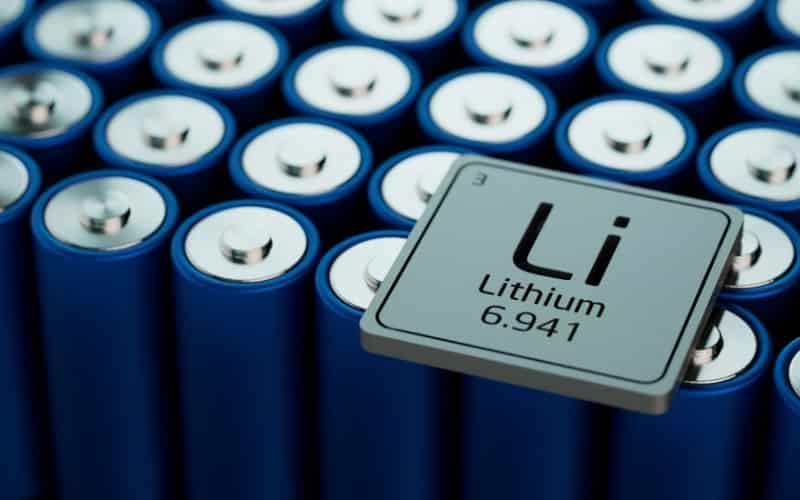
Today’s advanced lithium-ion batteries are the driving force behind a mobile, electrified world and a cornerstone of the transition to sustainable energy. They represent one of the most significant technological advancements in energy storage, offering high energy density, lightweight designs, and exceptional efficiency. As the global demand for clean energy solutions accelerates, lithium-ion technology stands at the forefront, powering everything from the device in your pocket to the vehicle in your driveway and the grid that powers your home. They are not just batteries; they are the fundamental enablers of a cleaner, greener future.
U.S. Lithium-Ion Battery Industry Snapshot
The lithium-ion battery industry has become a pivotal engine for economic growth and environmental progress in the United States. It plays an essential role in supporting national security, modernizing transportation, and facilitating the massive shift toward renewable energy sources that will shape our climate strategy.
Economic and Environmental Impact
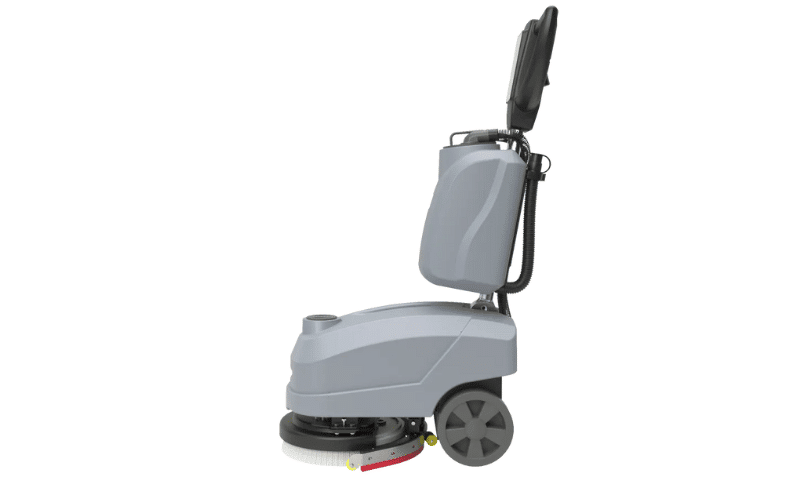
The rapid expansion of the lithium-ion sector is creating a wave of high-tech manufacturing jobs and stimulating investment across the country. As automakers and energy companies pivot away from fossil fuels, this industry provides the critical hardware needed to significantly reduce carbon emissions. By enabling the widespread adoption of electric vehicles (EVs), professional cleaning equipment such as floor scrubbers, and renewable energy storage, lithium-ion technology directly contributes to climate mitigation efforts. The economic ripple effects are profound, fostering innovation in materials science, recycling, and engineering, while offering a practical path toward decarbonization.
Supply Chain and Scalability
To support this booming demand, the U.S. is aggressively building a robust domestic infrastructure. “Gigafactories” are springing up across the nation to ensure a reliable, localized supply chain for battery cells and packs. This shift reduces reliance on foreign imports and strengthens energy independence. Manufacturers are scaling up production capacities at an unprecedented rate, investing billions to secure raw materials like lithium, cobalt, and nickel. This industrial readiness ensures that the grid, transportation, and commercial sectors have access to the scalable energy solutions required to meet skyrocketing U.S. energy needs.
Where Are Lithium-Ion Batteries Used?
Lithium-ion batteries play a critical role in powering modern life and essential infrastructure. They provide the high-performance energy required to move people, clean large facilities, store renewable power, and keep the world connected. Without this versatile technology, the portability and efficiency we expect from modern devices, vehicles, and professional equipment would simply not be possible.
Transportation
In the transportation sector, lithium-ion batteries are the heartbeat of the electric vehicle (EV) revolution. They power millions of passenger cars, buses, and trucks, offering the range and acceleration drivers demand without tailpipe emissions. Beyond cars, they are essential for the micromobility movement, fueling e-bikes and electric scooters that reduce urban congestion. Even public transit systems and maritime vessels are increasingly relying on large-scale lithium-ion packs to operate quietly and cleanly, fundamentally changing how we move.
Energy Storage
For the energy grid, lithium-ion batteries are indispensable for stabilizing renewable power. They store excess energy generated by solar panels and wind turbines during peak production times and release it when the sun isn’t shining or the wind isn’t blowing. This capability transforms intermittent renewable sources into reliable baseload power. From massive utility-scale installations that prevent blackouts to residential home battery systems that provide backup power during outages, these batteries are key to a resilient energy ecosystem.
Commercial & Consumer Electronics
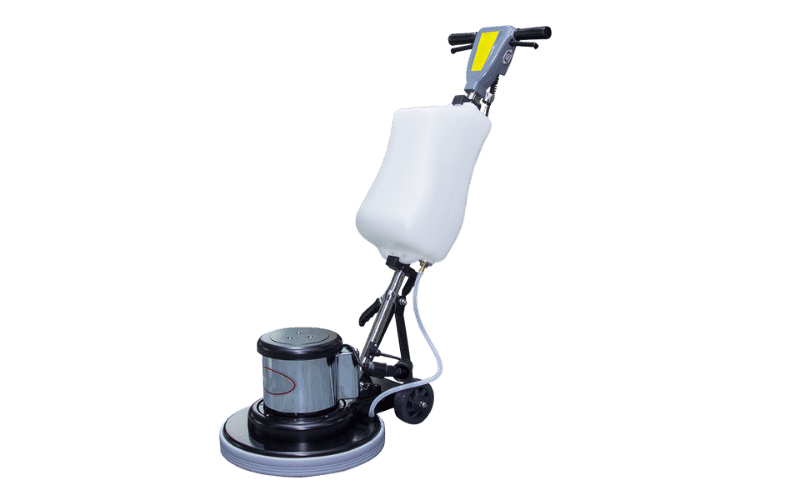
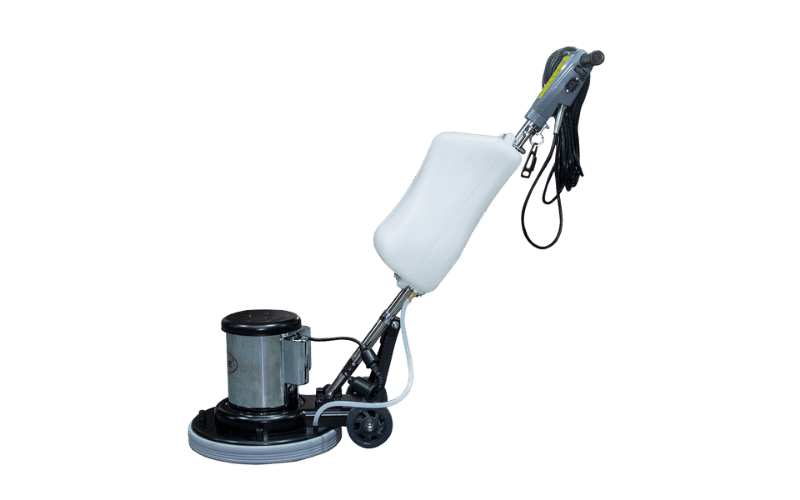
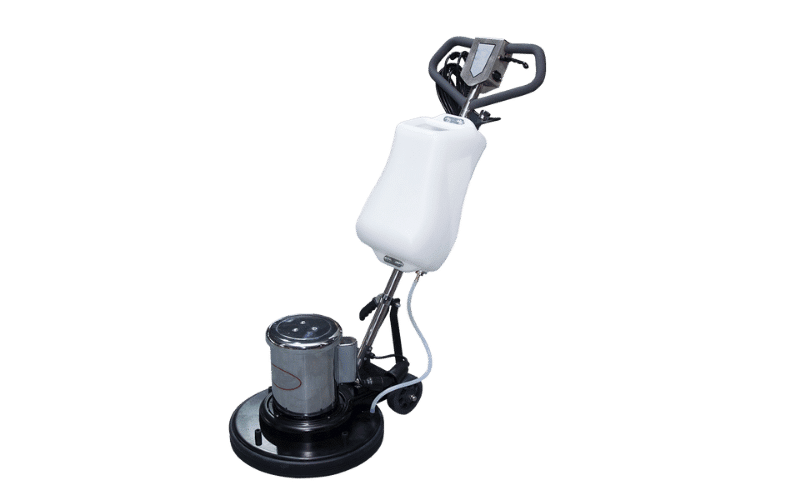
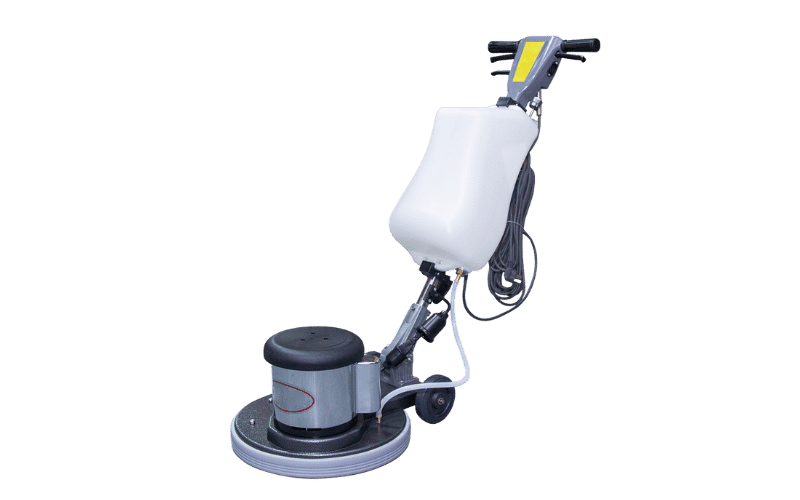
In our daily lives and workplaces, lithium-ion batteries are ubiquitous. They are the standard power source for smartphones and laptops due to their incredible energy density. This same technology is transforming professional industries. In commercial cleaning, lithium-ion batteries power floor scrubbers and burnishers, eliminating the maintenance required by lead-acid batteries and enabling “opportunity charging” between uses. This increases productivity and reduces downtime, making cleaning operations more efficient.
The Functions of Lithium-Ion Batteries
When people think about lithium-ion batteries, they often think about the rechargeable block inside their phone or car. These are energy reservoirs. They deliver consistent, long-lasting power to keep devices running for hours or days. For equipment such as floor cleaning machines, this means longer runtimes and greater productivity. However, the functions of these batteries extend far beyond simple storage; they manage power delivery and system stability in complex ways.
Energy Storage
The primary function of a lithium-ion battery is to store electrical energy in chemical form for future use. Unlike older battery chemistries, lithium-ion cells have a very high energy density, meaning they can hold a significant amount of energy relative to their size and weight. This is crucial for applications where space is at a premium and weight impacts maneuverability, such as in professional cleaning equipment or electric vehicles. The battery effectively captures energy and holds it with minimal loss until it is needed.
Power Supply
Lithium-ion batteries excel at providing dynamic power. They can deliver power at various rates depending on immediate need. For instance, in an electric vehicle, the battery must provide a massive, instantaneous burst of power to accelerate quickly. A floor scrubber delivers a steady, reliable stream of power to drive motors and water pumps for extended periods. This versatility allows them to serve as a robust power source for demanding commercial applications.
Voltage Stabilization
In sensitive electronic applications, lithium-ion batteries function as critical voltage stabilizers. They ensure that the voltage supplied to a device remains within a specific, safe operating range, protecting delicate internal components from power fluctuations. If the input power from a charger spikes or dips, the battery acts as a buffer, smoothing out these irregularities. This ensures that sophisticated electronics, from medical devices to the control boards in modern floor machines, operate without interruption or damage.
Types of Lithium-Ion Batteries
Not all lithium-ion batteries are created equal. Different chemistries are used to optimize specific characteristics such as energy density, safety, lifespan, or power output. Manufacturers tweak cathode materials to create specialized batteries for specific applications.
Lithium Cobalt Oxide (LCO)
Lithium Cobalt Oxide batteries are most commonly found in portable consumer electronics like smartphones, laptops, and cameras. They are prized for their high specific energy, which means they can store a large amount of power in a very small package. However, they have a shorter lifespan than other types and lower thermal stability, making them less suitable for high-load applications such as commercial equipment, but perfect for pocket-sized devices.
Lithium Iron Phosphate (LFP)
Lithium Iron Phosphate batteries are renowned for their safety and long cycle life. They use phosphate as a cathode material, which offers excellent thermal stability and electrochemical performance. While they have slightly lower energy density, their durability and resistance to overheating make them a top choice for electric buses, stationary energy storage, and commercial cleaning equipment such as floor scrubbers, where safety, longevity, and maintenance-free operation are prioritized.
Lithium Nickel Manganese Cobalt Oxide (NMC)
NMC batteries combine the best properties of their constituent metals: nickel for high specific energy and manganese for structural stability. This combination results in a highly versatile battery that is widely used in power tools, e-bikes, and many electric powertrains. Because the metal ratio can be adjusted, manufacturers can tune NMC batteries to serve as either high-energy cells for long-range use or high-power cells for rapid acceleration.
Lithium Titanate (LTO)
Lithium Titanate batteries are a niche but high-performance type in which lithium-titanate nanocrystals replace graphite on the anode surface. This enables incredibly fast charging and discharging rates and an extremely long cycle life—often lasting tens of thousands of cycles. While they have lower energy density and are more expensive, they are ideal for applications that require rapid charging and heavy use, such as public transit buses and specialized grid storage.
How a Lithium-Ion Battery is Made
The manufacturing of a lithium-ion battery is a precise, high-tech process that transforms raw chemical powders into sophisticated energy storage devices. It involves strict environmental controls to ensure quality and safety.
Electrode Production
The initial process begins with the creation of the positive (cathode) and negative (anode) electrodes. Manufacturers mix active materials—such as lithium metal oxides for the cathode and graphite for the anode—with binders and conductive additives to form a slurry. This slurry is then coated onto metal foils: aluminum for the cathode and copper for the anode. These coated foils are passed through large drying ovens to remove solvents and then fed through heavy rollers in a process called calendering, which compresses the material to achieve the correct thickness and density.
Cell Assembly
Once the electrodes are prepared, they are cut to the appropriate size. In the cell assembly phase, the cathode and anode sheets are stacked or wound together with a separator in between. The separator is a critical porous membrane that prevents short circuits by keeping the electrodes apart while allowing ions to pass through. This layered structure is then inserted into a metal can or a pouch case. The cell is then filled with a liquid electrolyte that facilitates the movement of lithium ions, and the casing is sealed to prevent leakage or contamination.
Formation and Testing
After assembly, the battery is not yet ready for use. It must undergo a process called formation. During this stage, the battery undergoes a carefully controlled initial charge/discharge cycle. This process creates a solid electrolyte interphase (SEI) layer on the anode, which is vital for the battery’s longevity and stability. Following formation, the cells endure rigorous aging and quality checks to measure capacity and voltage. They are then graded and sorted before being assembled into modules or packs for final sale.
How a Lithium-Ion Battery Works
A lithium-ion battery works by shuttling lithium ions back and forth between two electrodes: the cathode and the anode. This movement creates an electrical potential difference that can store or release energy. The entire process occurs inside a sealed cell filled with an electrolyte solution that allows ions to flow freely, while the separator prevents the electrodes from touching.
Charging Process
When you plug your device or equipment into a charger, electrical current flows into the battery. This energy forces lithium ions to move from the positive cathode, through the electrolyte and separator, to the negative anode. The ions become embedded in the anode’s porous graphite structure in a process called intercalation. Essentially, the battery is “soaking up” the energy and storing the lithium ions in a high-energy state at the anode, ready to be released.
Discharging Process
When the battery is connected to a load—like the motor in a floor scrubber—the chemical process reverses. The lithium ions detach from the anode and travel back through the electrolyte to the cathode. As the ions return to their original state, they release the stored energy as electrons. These electrons flow through the external circuit, providing the electrical current needed to power your equipment. This cycle repeats hundreds or thousands of times over the battery’s life.
What to Do with a Dead Lithium-Ion Battery
Unlike some older battery technologies, lithium-ion batteries require specific handling at the end of their life. Because they contain valuable metals and flammable electrolytes, they should never be thrown in the regular trash or recycling bin, where they can cause fires. Instead, a “dead” lithium-ion battery—one that can no longer hold a sufficient charge—must be taken to a certified electronics recycler or a designated hazardous waste collection site. These facilities have specialized equipment to safely dismantle cells and recover critical materials such as cobalt, nickel, and lithium for reuse in new batteries, completing the loop of a circular economy.