




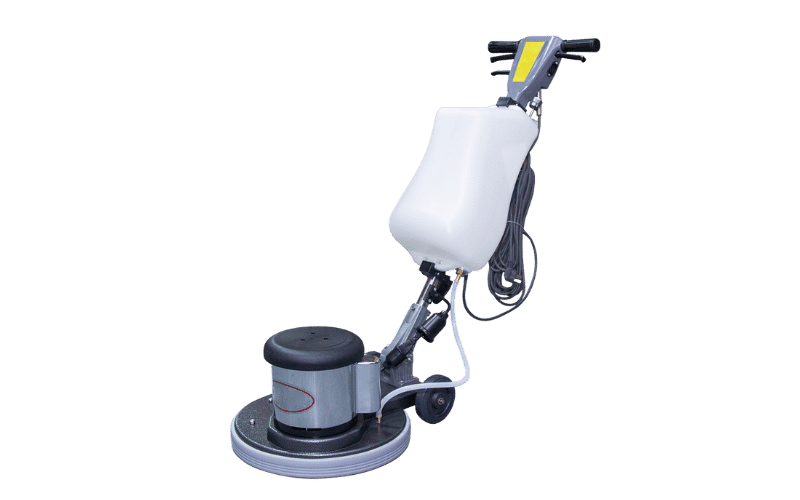
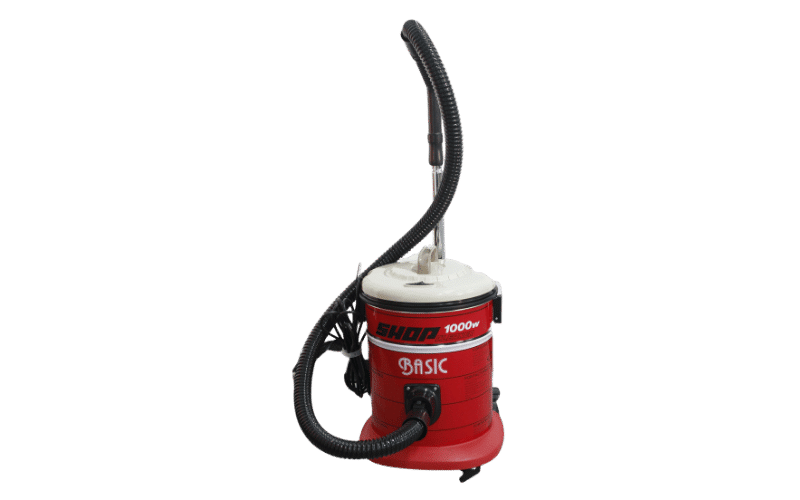

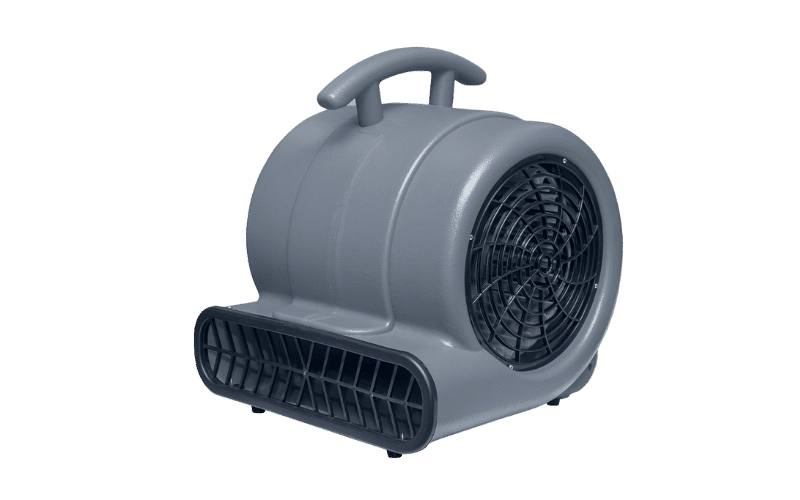


Picture a 30,000-square-foot floor and one worker with a mop bucket. By the time they’ve mopped, rinsed, and waited for each section to dry, half the shift is gone — and the floor still looks streaky by the front entrance. For any business owner or facility manager, that scene raises a fair question: does a floor-cleaning machine actually earn its cost once you factor in labor, supplies, and floor repairs?
The short answer is usually yes, but the honest answer is “it depends on your numbers.” This guide walks through the five returns that matter most — lower operating costs, more consistent results, a safer space, faster turnaround, and longer floor life — and shows you how to judge each one against your own facility. Whether a machine pays off depends on your square footage, floor type, current routine, and labor rate. Let’s make that call with real math instead of a gut feeling.
1. Lower Operating Costs Over Time
Labor is where the money hides. In most cleaning budgets, wages are the largest single line item — far larger than chemicals or equipment. That’s exactly where a machine changes the math.

Run the Labor Numbers First
Here’s a simple example. Say you pay a cleaner $18/hour and mopping a large open floor takes 3 hours per day. That’s $54 a day, or roughly $1,400 a month for that one task. Now put the same person on a walk-behind auto-scrubber that finishes the floor in about an hour. You’ve cut the task to $18 a day — around $470 a month.
That’s close to $930 saved every month on labor alone. A mid-range walk-behind scrubber often pays for itself well within a year at that pace, and the gap only widens as your floor gets bigger. To estimate your own payback period, compare your weekly mopping labor cost against the purchase or lease price of the machine. If the machine’s cost divided by your monthly savings is less than 12 months, the decision usually makes itself.
Chemicals and Water Drop Too
People mix mop solution by eye, which almost always means too much. Machines with automatic dispensing measure the right ratio every time, so a jug of concentrate stretches much further. Some scrubbers even filter and reuse water during the same run, cutting total consumption. Fewer chemicals also means less storage space and simpler safety paperwork — a small but real bonus during audits.
One Machine Replaces a Closet of Tools
Mops, buckets, wringers, and microfiber pads wear out and get replaced constantly. A single scrubber consolidates the cabinet’s maintenance into one predictable cycle: brushes, pads, and a squeegee blade on a known schedule. Add up a year of mops and chemicals versus the upkeep of one machine, and the running cost often favors the machine by a wide margin.
2. More Consistent, Higher-Quality Cleaning
A mop is only as good as the person pushing it — and how tired they are by hour six. Pressure, speed, and attention all drift over a shift. A machine doesn’t get tired. It applies the same brush pressure, solution flow, and pace across the entire floor, from the first aisle to the last.
That consistency shows. In a retail aisle where a customer can see the entire space at a glance, uneven mopping stands out immediately. A machine leaves a uniform finish that reads as “cared for.”
It Lifts Dirt Instead of Moving It
This is the part that changes results most. A wet mop loosens some grime but tends to push grease, salt, and residue around — you’re often just relocating dirt into the next section. An auto-scrubber agitates the surface with brushes, then vacuums the dirty water straight off the floor. The mess leaves the building instead of drying back down.

Think of a restaurant kitchen with baked-on grease versus a retail tile floor scuffed by foot traffic. The mop smears the first and dulls the second. The scrubber pulls both up. Concrete benefits especially, since regular scrubbing keeps grit from packing into the pores and grinding the surface down.
Passing Inspections Gets Easier
Healthcare sites, schools, and food service operations live with audits and documented cleaning schedules. Many machines log the square footage cleaned, timestamps, and operator ID — proof that the work actually happened. A visibly cleaner floor also cuts complaints and lowers your risk of a violation. When an inspector walks in, “it looks clean and here’s the record” is a strong position.
3. A Safer Space for Staff and Visitors
Cleaner floors are safer floors, in three specific ways.
Dust gets captured, not stirred up. A dry broom flings fine particles into the air along with allergens and bacteria. Vacuum sweepers and scrubbers instead pull that debris into a filter or hopper. In offices, clinics, and classrooms where people breathe the same air for hours, that difference matters.
Floors dry faster, so they’re less slippery. A mop leaves a thin film of water — which is exactly why the wet-floor signs stay out so long. A scrubber squeegees up most of that water in the same pass, leaving the floor walkable within minutes. Shorter drying time means a shorter window for slip-and-fall accidents and fewer barricades blocking your space.

Staff bodies take less abuse. Wringing and dragging a heavy mop strains shoulders, wrists, and backs day after day. Walk-behind machines still require steering but skip the twisting and bending; ride-on units remove most of the physical load. Fewer strain injuries mean fewer sick days, lower workers’ comp claims, and less turnover — costs that rarely show up on the equipment quote but hit the budget all the same.
4. Faster Turnaround, Less Disruption
Mopping is a four-step cycle: wet, scrub, rinse, dry. A scrubber collapses that into one pass — it scrubs and squeegee-dries at the same time. During routine shifts, large facilities often cut floor-cleaning time by more than half. That freed-up hour goes to restrooms, trash, and detail work that actually needs a human touch.

Speed also changes depending on how clean you can keep. Because machine-dried floors are ready fast, you can fit cleaning between morning prep and opening. Battery models skip the cord entirely — no outlets to hunt for, no tripped breakers. Quieter units allow a hotel lobby or office corridor to be cleaned midday without making guests step over wet tape.
For revenue-driven spaces, downtime is the real cost. A grocery store, gym, or restaurant can clean one section, return it to service, and move on to the next in minutes instead of closing an entire zone. Warehouses and factories clean between shifts faster, so the space is ready when the next crew clocks in. Every minute the floor is out of service is a minute it isn’t earning.
5. Longer Floor Life and a Better Look
Floors don’t wear out mainly from foot traffic — they wear out from the grit that traffic drags in. Sand and fine particles act like sandpaper, grinding into coatings and slightly etching tile and concrete each day. Regular machine scrubbing lifts that grit before it can dull finishes or carve wear paths into your busiest lanes. Wood and vinyl stay cleaner and avoid the scratches left by tracked-in debris.
That protection delays the expensive projects. A floor on a steady machine-maintenance routine needs stripping, waxing, and recoating far less often. A concrete warehouse floor, kept clean, can last for years before it needs resurfacing. Preventive care almost always costs a fraction of the cost of a full refinish or replacement.
And the look matters more than people admit. Customers judge floor condition within seconds — a dirty floor quietly raises doubts about food safety, professionalism, and whether anyone’s minding the details. A machine produces an even, intentional finish. A showroom with a clean, uniform floor sets a completely different tone than the same space with dull, scuffed tile.
How to Choose the Right Floor Cleaning Machine
Convinced on the why? Here’s how to pick the right one without overbuying.
Start With Your Own Numbers
Build a baseline before you shop. Take your labor rate, the hours spent cleaning each week, and your annual supply spend to get a real monthly cost. Compare that against the purchase, lease, or rental price of a machine. One practical move: ask the vendor for an on-site trial unit and time it against your actual floor. Real minutes on your real surface beat any spec sheet.
Match the Machine to Your Building
Size the equipment to the space:
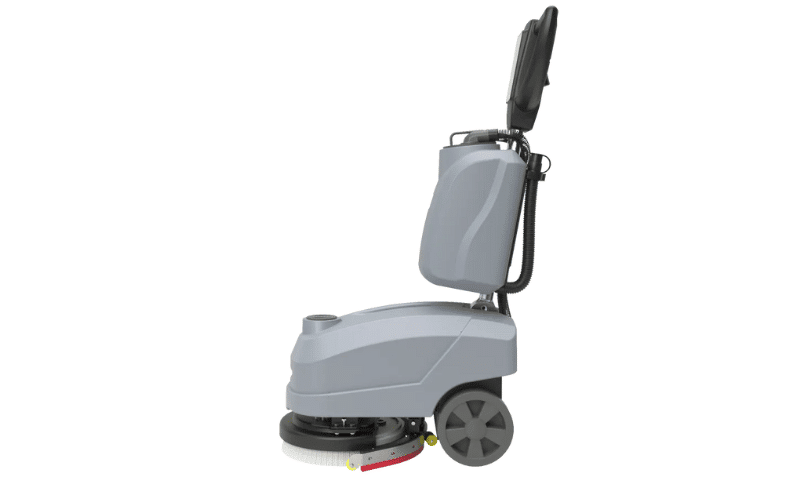
- Compact units suit small retail stores, restaurants, and clinics. Browse the range of floor scrubbers to see how machine size maps to square footage.
- Mid-size walk-behinds are well-suited to schools, offices, and mid-size warehouses. A walk-behind floor scrubber handles tight aisles while still efficiently covering open stretches.
- Ride-on machines earn their keep in large distribution centers, plants, and big-box retail where one operator needs to cover serious ground.
Floor type matters too. Tile, concrete, vinyl, and sealed wood each want the right brush or pad, so confirm compatibility before you buy. If you run a mix of office, retail, and service spaces, guidance tailored to commercial spaces and offices helps narrow the field quickly.
Decide Whether to Buy, Lease, or Rent
- Buy when the machine sees daily use and your payback window is clear.
- Lease to keep monthly costs predictable and leave room to upgrade later.
- Rent for one-time deep cleans, seasonal spikes, or to test a model before committing.
Plan for Training and Daily Upkeep
Most crews learn the basics in a day or two, and many vendors include on-site training. Daily care is light — rinse the squeegee, empty and flush the tank, charge the battery. Build that into the routine, and the machine runs reliably for years instead of dying young from neglect.
Frequently Asked Questions
Do floor cleaning machines really save money?
For most mid-to-large floors, yes. The savings come mainly from labor — a scrubber can cut cleaning time by half or more — plus lower chemical use and delayed floor refinishing. Run your labor and supply numbers against the machine price to confirm the payback period.
Are floor scrubbers worth it for a small store or office?
Often, yes, especially if you’re cleaning daily. A compact walk-behind finishes faster than mopping, dries the floor in one pass, and delivers a more consistent look. If your space is tiny and cleaned only occasionally, renting first is a smart test.
How long does a floor cleaning machine last?
With basic daily maintenance, a quality commercial scrubber typically runs for many years. Emptying tanks, rinsing squeegees, and charging batteries properly are what separate a machine that lasts from one that fails early.
Can one machine clean both tile and concrete floors?
Usually, yes — you just swap to the right brush or pad for each surface. Confirm the machine supports the pads your floors need before buying.
Is it better to rent or buy?
Buy for regular daily use with a clear payback window. Rent for occasional deep cleans or to trial a model on your own floor first. Lease if you want predictable monthly costs and easy upgrades.
How often should a commercial floor be machine cleaned?
High-traffic areas usually need daily scrubbing; lower-traffic zones can go a few times a week. The right cadence keeps grit from grinding into the surface, which protects the floor in the long term.
The Bottom Line
Floor cleaning machines earn their price through five measurable returns: lower operating costs, more consistent cleaning, a safer space, faster turnaround, and longer floor life. None of these are abstract — they show up in labor hours, inspection results, injury claims, downtime, and refinishing bills you can actually track.
So make the call with data. Add up your current cleaning labor and supply costs, request a trial unit, and time it on your own floor against the purchase or lease price. The strongest case for buying is the one you measure yourself. Once the math works, the machine keeps earning its keep every single shift.