







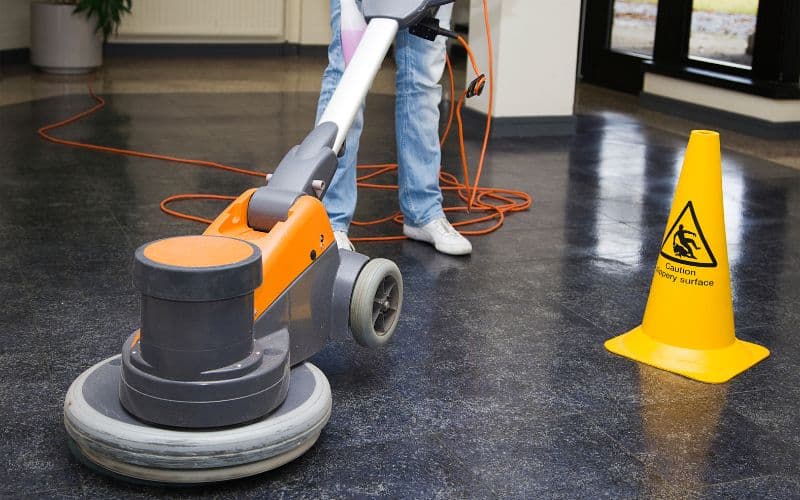
In the modern construction and renovation industries, achieving a flawless, mirror-like finish on concrete surfaces requires specialized equipment that blends raw power with meticulous precision. There is a rapidly growing demand for highly efficient and portable polishing solutions across commercial flooring, interior design, and residential restoration projects. Contractors and DIY enthusiasts alike need tools that can maneuver easily into compact areas while still delivering the aggressive grinding force required to transform rough, uneven concrete into a sleek, professional masterpiece. Hand-held concrete polishing machines have emerged as an indispensable asset for tackling these exact challenges.
In this comprehensive article, we will provide a detailed overview of the handheld concrete polishing machine, exploring its core structure, essential components, and fundamental operating principles. We will also delve into the primary application areas where these devices excel, examine the various types available on the market, and outline the significant benefits they offer on any job site. Finally, we will share expert tips for selecting the perfect polishing equipment to elevate your next concrete surfacing project.
What is a Hand-Held Concrete Polishing Machine?
A hand-held concrete polishing machine is a highly portable, motorized power tool designed to grind, smooth, and polish rough concrete surfaces to a refined, professional finish. Unlike bulky walk-behind grinders, this compact device is held and operated manually, giving the user complete physical control over the grinding pressure and angle. It typically uses diamond-impregnated abrasive pads mounted on a spinning backing plate to gradually shave down microscopic imperfections, removing blemishes, old coatings, and surface stains to reveal the pristine, hardened concrete beneath.
When comparing a hand-held concrete polishing machine to larger, industrial-scale walk-behind models, the most significant difference lies in its exceptional portability and superior maneuverability. While massive planetary grinders are built to tackle wide-open warehouse floors efficiently, they simply cannot navigate narrow hallways, elevated countertops, or cramped residential bathrooms. The hand-held polisher bridges this crucial gap, offering the perfect solution for small to medium-sized surface areas where deploying heavy machinery is either impossible or financially impractical, making it an essential companion tool on any comprehensive flooring project.
Furthermore, this portable machine can seamlessly handle intricate edge work, sharp corners, and incredibly tight spaces that larger machines often miss. By expertly detailing the perimeters of a room or polishing vertical surfaces such as concrete stairs and retaining walls, the hand-held polisher ensures a uniform, high-quality finish throughout the entire architectural space.
Main Components of a Hand-Held Concrete Polishing Machine
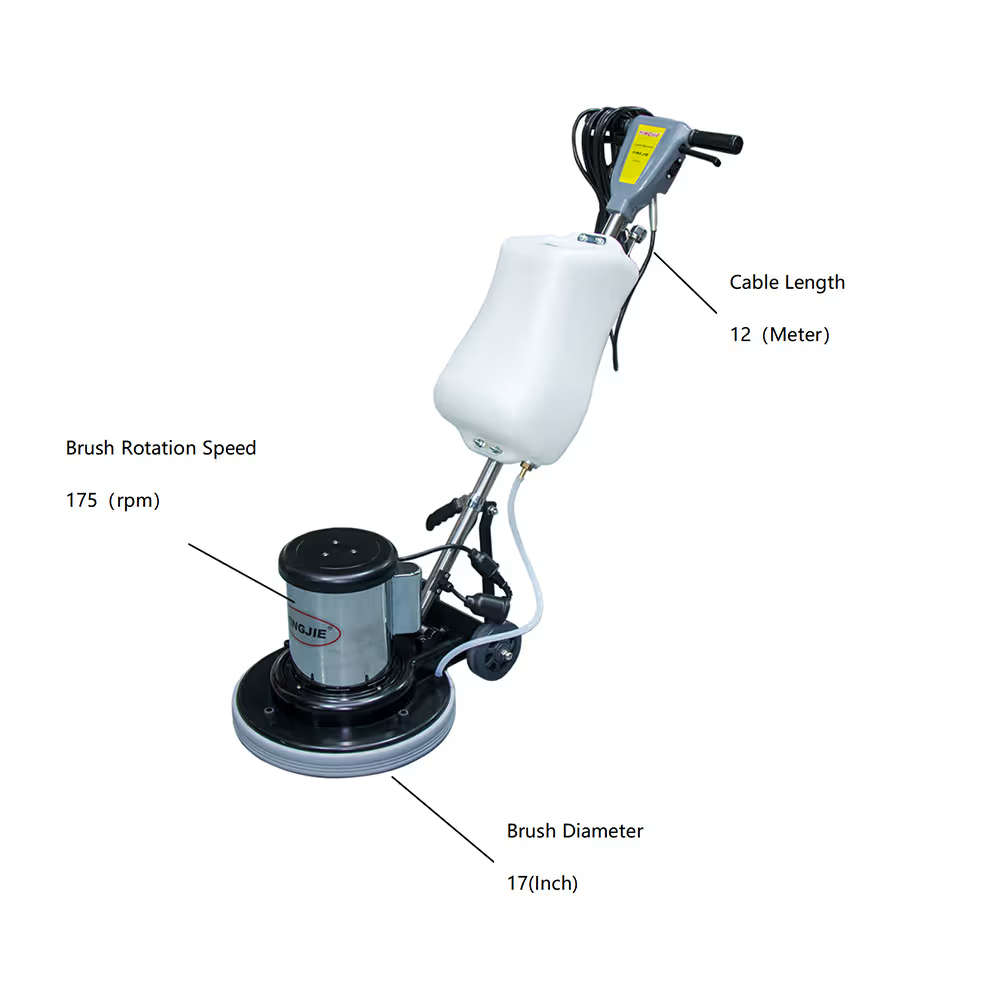
A complete hand-held concrete polishing machine consists of several critical parts that work together to deliver accurate, consistent, and seamless grinding performance on tough surfaces:
1. Motor
The motor is the beating heart of the entire polishing machine, delivering the rotational torque required to drive the abrasive pads through dense concrete. High-quality polishers feature robust, heavy-duty electric motors engineered to withstand severe vibrational stress and resist overheating during prolonged use. Ensuring consistent power output allows the tool to maintain steady grinding speeds even when applying heavy downward pressure, preventing the machine from bogging down or creating uneven scratch patterns on the floor.
2. Polishing Pads
Polishing pads are the active abrasive components that make direct physical contact with the concrete to achieve the desired level of smoothness. Typically made of industrial-grade diamonds embedded in a durable resin or metal matrix, these circular pads come in a graduated series of grit sizes. Operators begin the process with coarse metal-bond pads to aggressively grind away rough high spots, and progressively switch to ultra-fine resin pads to slowly build a brilliant, glass-like reflective polish on the surface.
3. Dust Collection System
The dust collection system is absolutely vital for maintaining a clean, visible work environment and significantly reducing the risk of severe respiratory health issues. Grinding dry concrete generates massive clouds of dangerous silica dust. A high-quality hand-held machine incorporates a specialized dust shroud or protective casing around the grinding head, coupled with a vacuum exhaust port. When connected to an industrial HEPA vacuum, this system actively extracts hazardous airborne particles before they escape, ensuring maximum safety for the operator.
4. Control Unit
The control unit includes ergonomic handles, power switches, and internal electronics that govern the machine’s operation. Advanced models feature variable-speed dials that allow the user to easily adjust RPMs based on the specific polishing phase and the hardness of the concrete. Additionally, a well-designed control unit incorporates vibration-dampening grips and balanced weight distribution, drastically reducing operator fatigue and increasing overall control during complex, highly detailed finishing tasks.
Working Principle of a Hand-Held Concrete Polishing Machine
A hand-held concrete polishing machine operates through a systematic, multi-step process of mechanical abrasion to gradually refine the concrete’s dense surface structure. The process begins by securely attaching a coarse-grit polishing pad to the machine’s backing plate, usually via a strong hook-and-loop fastening system. Once connected to a power source and a dust extraction vacuum, the operator starts the machine and gently lowers the spinning pad flat against the concrete. Using slow, sweeping, overlapping motions, the user guides the tool across the designated area to systematically erase surface imperfections and level the slab.
The core operating principle relies entirely on high-speed rotation combined with the extreme hardness of the diamond abrasive pads to actively grind and polish the substrate. As the motor spins the pad at thousands of revolutions per minute, the exposed diamond segments physically scratch and cut into the concrete. By continuously swapping out the pads for progressively finer grits—from a rough 30-grit to a fine 3000-grit—the machine gradually reduces the depth of the scratches. This sequential grinding process ultimately closes the pores of the concrete, producing a tightly refined, incredibly smooth, and highly reflective surface.
To achieve the absolute best results, mastering the working principle also highlights the profound importance of controlling rotational speed and manual downward pressure. Applying too much force or spinning the pad too rapidly can easily burn the resin or gouge the concrete, while maintaining a steady, balanced approach guarantees a flawless, long-lasting finish.
Main Application Fields of Hand-Held Concrete Polishing Machines
Hand-held concrete polishing machines are widely used across multiple industries requiring precise surface refinement. Common areas of usage include:
1. Residential Flooring
In residential settings, hand-held polishers are frequently used to finish concrete floors in modern homes, basements, and garages. Homeowners and contractors utilize these machines to create highly durable, visually stunning, low-maintenance surfaces that offer a sleek, contemporary aesthetic appeal without the exorbitant cost of premium stone flooring.
2. Commercial Spaces
Commercial spaces like bustling office buildings, modern retail stores, and expansive car showrooms rely on these tools to maintain pristine, polished floors. Hand-held polishers are essential for detailing the edges and corners around display fixtures and structural columns, ensuring a cohesive, highly reflective finish that dramatically enhances the overall customer experience and interior lighting.
3. Industrial Facilities
In demanding industrial environments such as sprawling warehouses and heavy manufacturing factories, these machines help create exceptionally durable, smooth surfaces that withstand constant forklift traffic. They are often used to grind down trip hazards, smooth out rough concrete expansion joints, and prepare localized areas for heavy-duty epoxy coatings.
4. Decorative Concrete
In the realm of decorative concrete, hand-held polishers are the absolute go-to tools for crafting beautiful, custom concrete countertops, customized sinks, and unique architectural fireplace hearths. The incredible precision of the hand-held machine allows artisans to carefully expose colorful aggregate and create mirror-like finishes on intricate three-dimensional concrete installations.
5. Repair and Maintenance
For ongoing repair and maintenance operations, these machines are invaluable in restoring worn-out or heavily damaged concrete surfaces. They effortlessly strip away stubborn glue residues, failing sealers, and old paint, successfully rejuvenating the localized concrete so it can be re-polished or treated, thus significantly extending the overall lifespan of the flooring.
Types of Hand-Held Concrete Polishing Machines
Hand-held concrete polishing machines are categorized by their power source and method of operation. Every type is appropriate for various scales of operation and precision needs:
1. Corded Machines
Corded hand-held polishing machines are powered directly from a standard electrical wall outlet, providing uninterrupted power without the frustrating risk of a dying battery. They are specifically engineered to handle intense, heavy-duty grinding tasks and are highly suitable for extended, all-day use on demanding commercial job sites where consistent, maximum motor torque is absolutely required to cut through exceptionally hard concrete surfaces.
2. Cordless Machines
Cordless hand-held machines operate using advanced, high-capacity lithium-ion batteries, granting the operator unparalleled mobility and total freedom of movement. Because they completely eliminate trailing power cords, they are incredibly convenient for working in remote, off-grid locations, navigating complex scaffolding, or accessing hard-to-reach areas where searching for an active electrical outlet would cause significant delays and workflow interruptions.
3. Variable Speed Machines
Variable speed polishing machines feature an adjustable dial that allows the operator to precisely control the RPM of the spinning grinding head. This crucial ability to adjust speed is essential for meeting different polishing requirements, such as using low speeds with delicate resin pads to avoid burning and high speeds for aggressive metal-bond grinding.
4. Wet vs. Dry Polishing Machines
Wet polishing machines use an integrated water feed to continuously cool the diamond pads and suppress airborne dust, resulting in slightly longer pad life and a pristine finish. Dry polishing machines rely on specialized dust shrouds and vacuum systems, eliminating the need for messy water cleanup and allowing for immediate application of chemical sealers.
Benefits of Hand-Held Concrete Polishing Machines
Hand-held polishing machines are widely used as key components in construction surface preparation for their accuracy, reliability, and versatility. Their main advantages are:
1. Portability
The most prominent benefit of these machines is their exceptionally lightweight and highly compact design. This extreme portability allows construction crews and independent contractors to effortlessly transport the equipment between different job sites in the back of a standard truck. Operators can easily carry the machine up flights of stairs and comfortably operate it in incredibly tight, confined environments with minimal physical exertion.
2. Precision
Unlike massive, bulky floor grinders that simply cannot reach within several inches of a wall, hand-held machines offer unparalleled precision. They allow for highly detailed, meticulous work directly along baseboards, inside sharp ninety-degree corners, and around complex plumbing fixtures. This precision ensures that the extreme edges of a room match the brilliant quality of the main floor perfectly.
3. Cost-Effectiveness
For independent contractors and dedicated DIY homeowners, these hand-held tools represent a highly cost-effective solution. They deliver professional-grade polishing capabilities at a fraction of the exorbitant purchase price and high maintenance costs associated with acquiring massive, industrial planetary grinders, making them an excellent return on investment.
4. Versatility
Hand-held polishers boast incredible versatility, capable of handling a wide range of surface-preparation tasks. Simply by swapping out the specific abrasive pads or grinding cup wheels, the exact same machine can seamlessly transition from aggressively removing thick mastic glue to delicately polishing a luxurious concrete kitchen countertop.
How to Select the Right Hand-Held Concrete Polishing Machine?
Selecting the optimal hand-held concrete polishing machine requires a careful evaluation of several highly important factors to ensure efficiency, safety, and long-term reliability:
1. Motor Power
The motor’s raw power directly dictates the machine’s ability to grind through extremely dense, hardened materials without stalling. It is of utmost importance to select a machine with adequate amperage and wattage for your intended application. A high-powered motor ensures the tool maintains consistent rotational speed even when you apply heavy pressure during aggressive coating removal or deep surface grinding.
2. Pad Compatibility
The perfect polishing machine must offer broad compatibility with a wide array of standardized polishing pads and grinding cup wheels. Highlight the absolute need to choose machines featuring universal hook-and-loop backing plates and standard arbor thread sizes (such as 5/8″-11). This flexibility ensures you can easily source replacement abrasive pads from various manufacturers to handle different stages of the polishing process.
3. Ergonomics
Since concrete polishing is an intensely physical, vibration-heavy task, a user-friendly ergonomic design is crucial. You must prioritize machines equipped with multi-position adjustable side handles, soft rubberized grips, and balanced internal weight distribution. Excellent ergonomics drastically reduce severe operator fatigue and allow for highly efficient, comfortable use over long hours.
4. Dust Management
Grinding dry concrete is inherently hazardous, making effective dust management non-negotiable. Always emphasize the need for machines with a highly durable, flexible dust shroud and a standard vacuum port connection. A robust dust collection system actively protects the user’s lungs, drastically reduces post-job cleanup time, and extends the motor’s lifespan.
Final Thoughts
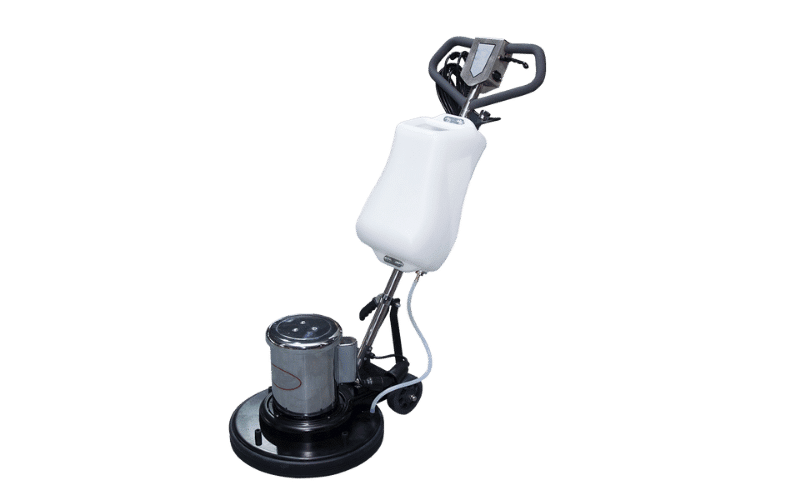
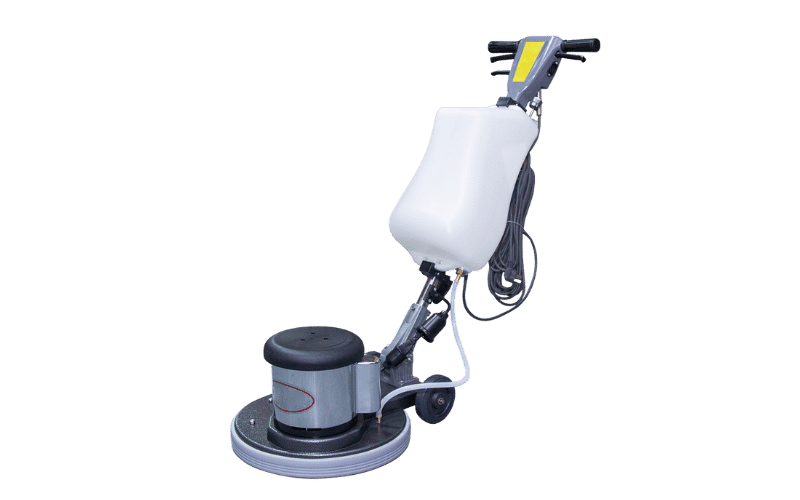
The hand-held concrete polishing machine is an absolute cornerstone of modern surface preparation, offering the perfect blend of aggressive grinding power and meticulous, detailed precision. From restoring massive industrial warehouse edges to crafting stunning decorative concrete countertops in high-end residential homes, these versatile tools enable contractors to achieve flawlessly smooth, highly reflective surfaces in areas where larger machinery simply cannot reach. View Product: FM205 17-Inch Floor Polisher Machine
As architectural concrete continues to dominate modern interior design trends, the demand for reliable, efficient polishing tools has never been higher. We strongly encourage professionals and dedicated DIYers to invest in high-quality, ergonomic hand-held machines equipped with robust dust management systems. By choosing the right tool for your specific application, you guarantee exceptionally efficient workflows, maximum safety, and truly professional, breathtaking results on every single concrete project.