








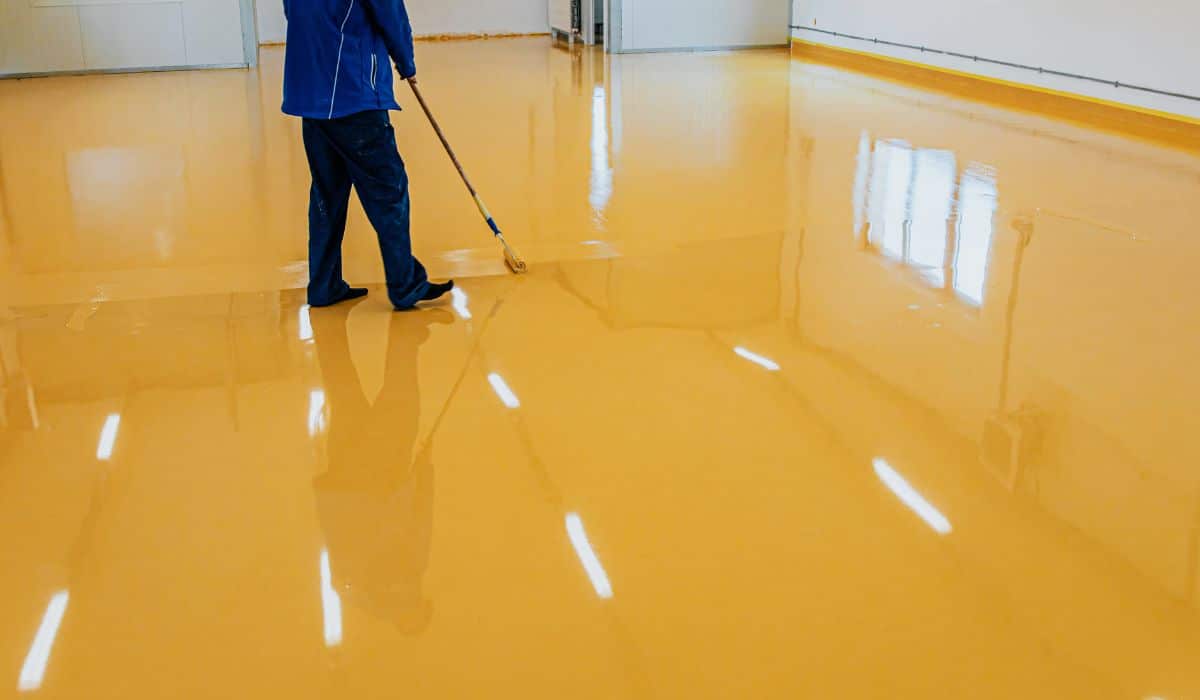
Regularly inspect your floor coating system to ensure maximum performance and a longer service life. Keeping the floor clean and free of debris is essential. Any damaged areas should be touched up immediately to prevent the underlying substrate from deteriorating and to maintain the floor’s protective qualities and appearance. A well-maintained coated floor not only looks great but also ensures your facility’s surfaces are durable, shining, and ready for daily traffic, including the efficient use of mechanized floor scrubbers.
The flooring system may be slippery when wet, so exercise caution when walking on it. This is particularly true for light-colored surfaces, as ice, frost, or water may not be as visible on them as on darker surfaces. Be mindful that certain coatings can become exceptionally slippery when wet, requiring extra care during and after cleaning, or in humid conditions.
Preventative Maintenance
To maintain the integrity and longevity of your floor coating, proper drainage is crucial. Keep the floor surface clean and clear of leaves, paper, dirt, and other debris, especially around any drainage points, to prevent clogging. Standing water on the system’s surface significantly increases the risk of moisture seeping into the structure, particularly if there is a puncture or cut in the coating. This can lead to costly substrate damage and compromise the coating’s bond.
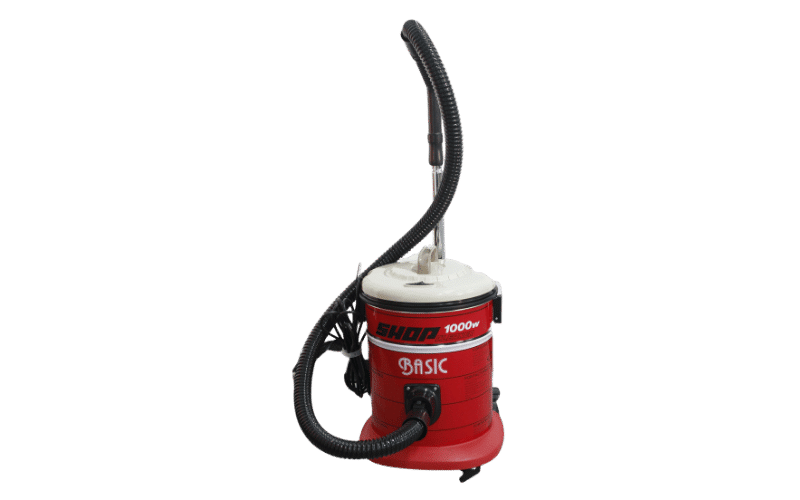
Limit unprotected foot and equipment traffic. Areas of the flooring system not protected by mats or coverings are more susceptible to damage from frequent use. When working on or moving any heavy equipment, protect the floor to prevent damage to the coating. A coated floor looks great and helps ensure that your facility’s floors are shining, durable, and ready for traffic. Sweep floors daily with mechanized sweeping equipment or with a broom. Scrub floors as needed with proper brushes and detergent, or using a mechanized scrubber for greater efficiency.
Avoid degrading the flooring system by exposing the coating to liquids containing petroleum products, solvents, greases, or oils. Spills from machinery, kitchen waste, or other animal fats and chemicals can also cause damage. Prolonged exposure to these materials will cause swelling and possible degradation of the system if spills are not removed promptly. Clean all chemical spills immediately, using proper methods and appropriate personal protective equipment. Catch pans, proper drainage, or other protective measures can be used to protect systems in areas with a high risk of spills.
Avoid puncturing the system. Workers servicing equipment should protect the floor from tools, impact, and abrasion. Care should be taken when placing metal parts, heavy containers, or sharp objects on the surface. When moving heavy units or equipment, avoid overloading and damage to the system by installing smooth plywood or other protective layers over the system before moving. Place and maintain walk-off mats at entrances to prevent dirt and moisture from being tracked into the facility, where they can act as abrasives.
If removing heavy debris or materials is necessary, avoid damaging the system. Use appropriate tools, such as plastic shovels, and pay particular attention when working around fixed structures or where wall flashing could be damaged. Sharp-edged tools must not be used. Talk to your floor coatings specialist to make sure you know which brushes and squeegees to use for your floor coating type.
After any activity, remove all debris, such as glass, bolts, nails, screws, and metal shavings, that may cause punctures or cuts in the system. Also, remove all spills of materials that may degrade the system, such as solvent-based materials or oil-based paints. Use only cleaning chemicals recommended for your environment and flooring type to avoid inadvertently damaging the coating.
Periodic Inspections
Biannual (twice-yearly) maintenance and inspection are required under many coating warranties. The building owner should enlist the services of a trained, qualified flooring or coating professional to perform these biannual inspections. The inspection should include a general evaluation of the entire flooring system and then concentrate on “high-risk” areas such as drains, joints, and penetrations, as well as areas around all heavy equipment and high-traffic zones.
Inspections may also include examining the floor from all angles for evidence of leaks, a deteriorating substrate, structural cracks or movement, and other deficiencies. Edges and transition points should also be examined for evidence of cracking, deterioration, and moisture infiltration. Documenting findings with photos and notes provides a valuable record for future reference and helps identify recurring issues that may require a more comprehensive solution.
In addition to scheduled semi-annual inspections, floor inspections should also be conducted whenever any of the following conditions occur. After exposing the floor to severe conditions, such as heavy equipment traffic, chemical spills, or unusual impacts, examine the floor for signs of damage. Check for ponded liquids, debris, and any other damage to components that might allow moisture to infiltrate. The system should also be examined in areas where damage has been identified, including punctures, tears, or loose coating.
After any repair or replacement of facility equipment, and at any other time when the floor may be exposed to other trades’ activities where damage may occur, a thorough inspection is necessary. Examine the floor for spills, debris, sharp objects, punctures, or possible delamination on adhered flooring systems caused by constant foot traffic or heavy loads. Early detection and repair are key to preventing minor issues from becoming major problems.
Cleaning
The coated surface must be inspected and cleaned biannually to maintain its appearance, maximize longevity, and minimize deterioration from environmental factors, such as dirt accumulation or mold and mildew growth. Before and after cleaning the surface, it is important to inspect the coating for any tears or blisters that need repair.
If any tears or blisters are found, it is important to document their location on the surface to determine whether they recur. This documentation can help diagnose underlying problems with the substrate or environment. Always document the inspection findings for future reference by creating a maintenance log that tracks the floor’s condition over time.
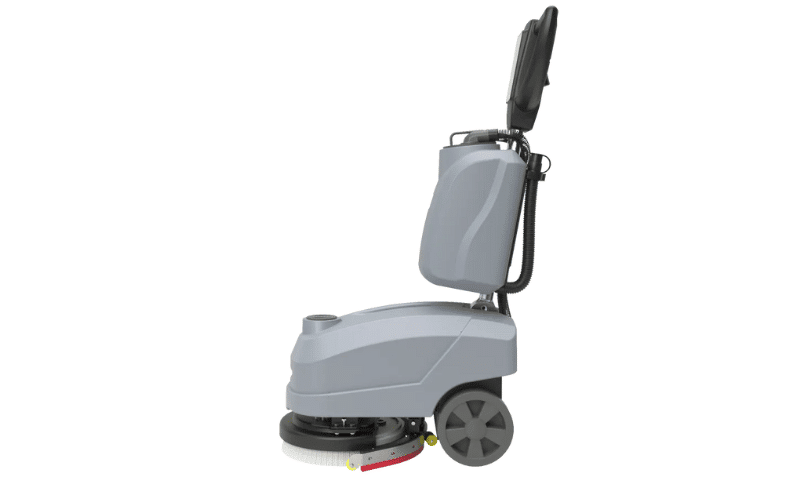
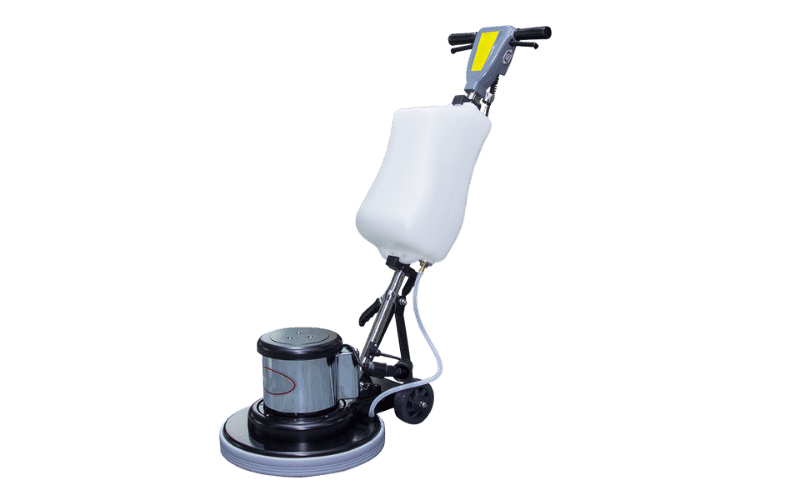
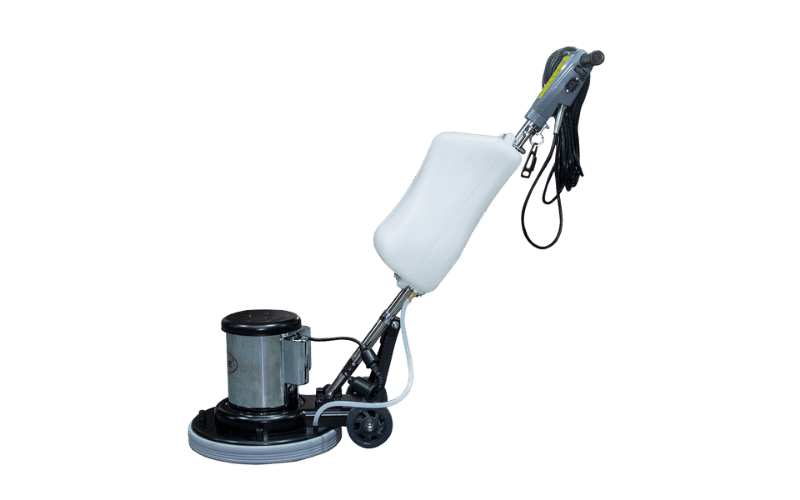
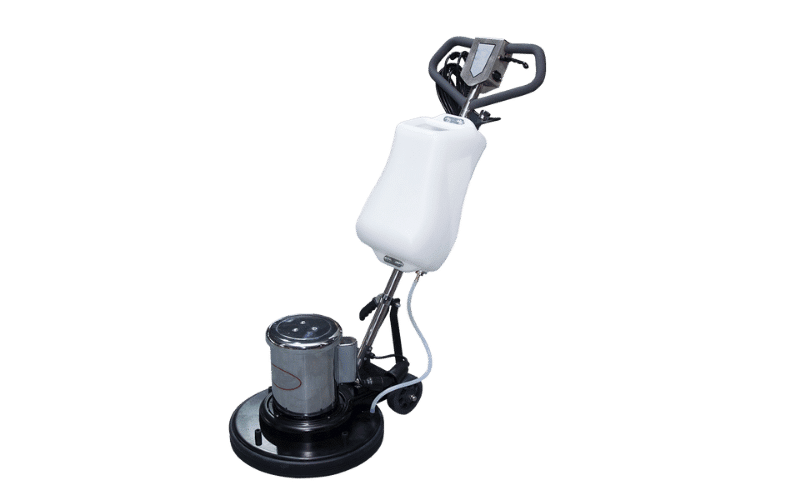
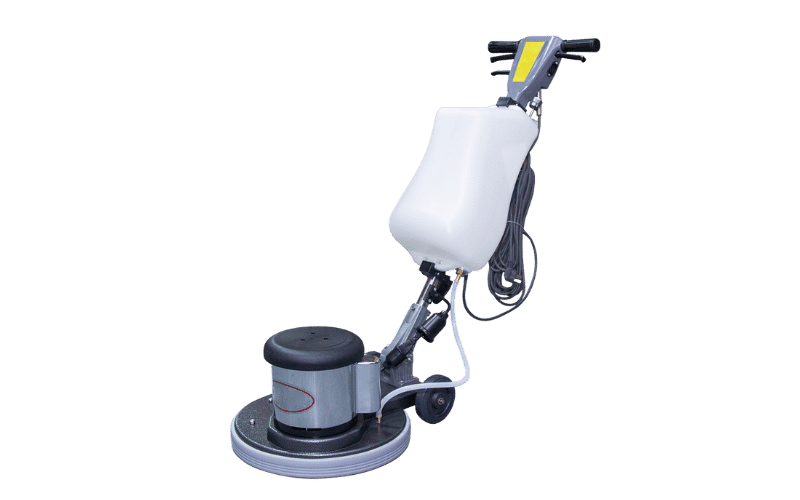
For manual cleaning, the method will depend on the type of debris on the coating. Often, you can use a simple hose with a spray nozzle and a very soft-bristle deck brush to remove the debris. For mechanized cleaning, using an automated floor scrubber is highly effective. Ensure you use the recommended brushes and squeegees for your specific coating to avoid abrasion. The right mechanized scrubber can clean large areas efficiently without harming the floor’s surface.
For more stubborn dirt, pressure washing may be an option, but it must be done with extreme care. Use a white (40-degree) nozzle tip with a maximum pressure of 2000 psi on a pressure washer. Start with the tip at least 18 inches off the floor and saturate the area with water. Generally, “softening” the debris first will allow for removal with less pressure, reducing the chance of damage. Gradually lower the tip toward the floor until you see debris coming off, but do not let the tip drop below 6 inches from the surface. No warranty covers premature erosion caused by excessive pressure. If the coated surface has become irreversibly stained or discolored, consider recoating the area to refresh its appearance.
Repairs
Only Authorized Applicators should perform permanent repairs to the flooring system. A qualified contractor should perform any substrate-related repairs. The building owner may perform emergency repairs required to provide immediate protection from water or chemical infiltration; however, a certified applicator must complete permanent repairs when conditions permit.
For specific coating types, such as silicone, use only the manufacturer-recommended product to retouch and repair damaged or leaking areas. If a thicker coating is desired to fill gaps, mix the coating with specified fibers or fillers until the desired consistency is achieved. Always follow manufacturer guidelines for repairs.
For temporary wet-surface emergency repairs, clean the area around the cut or tear with a recommended solvent or cleaner. Divert any liquid from the affected area and allow it to dry. If a dry surface is not possible, use a compatible butyl tape over the cut as a temporary repair to stop leaks. For dry-surface emergency repairs, clean the area around the cut or tear with a cleaner or degreaser, rinse it with clean water, and allow it to dry completely before retouching it with the same coating as the rest of the floor.
Worn areas caused by heavy equipment, dragging debris, or equipment installers may be touched up after the affected area is thoroughly cleaned. This is considered abrasion damage. On concrete substrates, cracks are a sign of stress, movement, or poor concrete quality. Any crack that appears after the job is complete should be considered a maintenance area requiring annual inspection. All crack repairs should be fully reinforced with the appropriate fabric. Avoid running fabric in a zigzag pattern; if cracks radiate outward, it is better to use a wider fabric patch. Minor cuts or mechanical damage may be repaired with approved caulks. Clean the area to be repaired, fill it with the approved caulk, and tool it to a convex surface that extends beyond the damaged area.
Using Mechanized Floor Scrubbers
Mechanized floor scrubbers are invaluable tools for maintaining the appearance and integrity of coated floors, especially in large commercial or industrial facilities. When used correctly, they provide a deep, consistent clean that manual methods cannot easily replicate. However, it is critical to use the right equipment and settings to avoid damaging the coating. Always opt for scrubbers equipped with soft brushes or non-abrasive pads specifically recommended for your floor coating type. Stiff or overly aggressive brushes can cause micro-scratches that dull the finish and wear down the coating over time.
Proper adjustment of the scrubber is also key. The brush pressure and water flow should be set according to the manufacturer’s recommendations and the level of soiling on the floor. For routine cleaning, lower pressure and less water are often sufficient. For heavily soiled areas, you might need to increase the pressure slightly, but always start low and test in an inconspicuous area first. The squeegee on the back of the scrubber is just as important; ensure it is clean, properly aligned, and in good condition to effectively lift water and prevent streaks or slippery spots.
Regular maintenance of the floor scrubber itself is essential for optimal performance and floor protection. Clean the tanks, brushes, and squeegees after every use to prevent the buildup of dirt and old cleaning solution, which could be redeposited on the floor during the next use. A well-maintained machine not only cleans better but also protects your investment in the floor coating, ensuring it remains durable and visually appealing for years.
Alterations and Modifications
To ensure the continuation of any warranty, any modifications or alterations to the flooring system must be communicated to the coating manufacturer or a certified applicator before proceeding. This includes adding new equipment, pipes, structural posts, or any other element that penetrates or rests on the coated surface.
The proposed modification or alteration details will be reviewed to determine compliance with the flooring system’s original specifications. This ensures that any changes do not compromise the integrity of the coating. Coordinate the installation with a certified applicator so the modification or alteration will be completed in accordance with the system’s specifications and details.
Following any alteration, a certified applicator must complete permanent repairs and tie-ins when conditions permit. This involves properly sealing around new penetrations and ensuring a seamless transition between the old and new work. Using protective measures, such as plywood sheets, during the installation of heavy equipment, is crucial to prevent accidental damage to the surrounding floor area.
Conclusion
Proper care and maintenance are fundamental to preserving the durability, appearance, and functionality of your floor coatings. By following a proactive program of preventative maintenance, regular inspections, and correct cleaning procedures, you can significantly extend the life of your floor and protect your investment. Addressing minor issues like small cracks or spills immediately prevents them from escalating into major, costly repairs.
Embracing a consistent maintenance schedule ensures your floors remain safe, clean, and professional-looking. For large areas, using mechanized equipment such as floor scrubbers can make the process manageable and highly effective. Always consult with a coatings professional for guidance on specific repair procedures or when planning alterations. A well-maintained coated floor is a valuable asset that enhances your facility for years to come.