



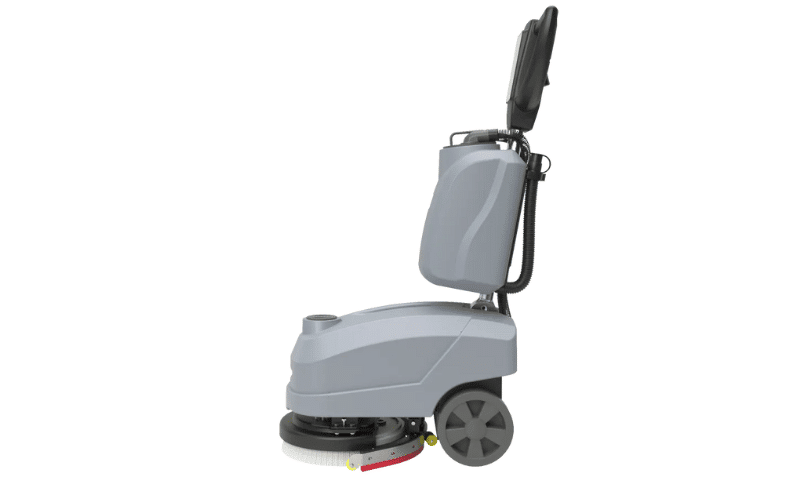

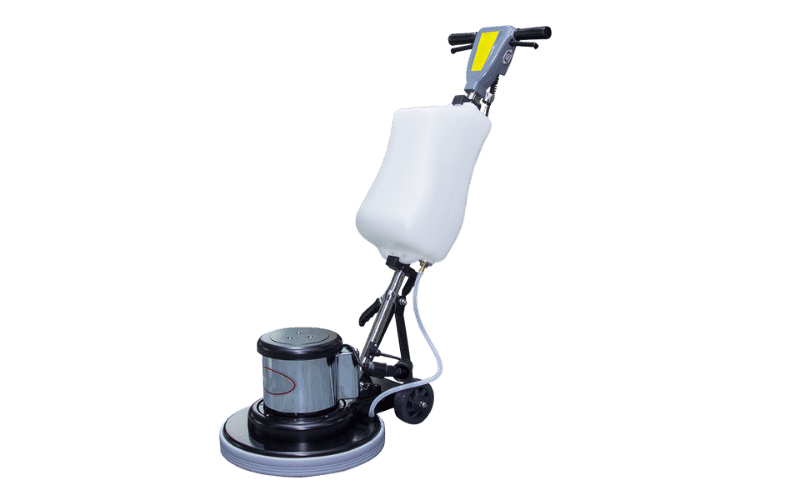
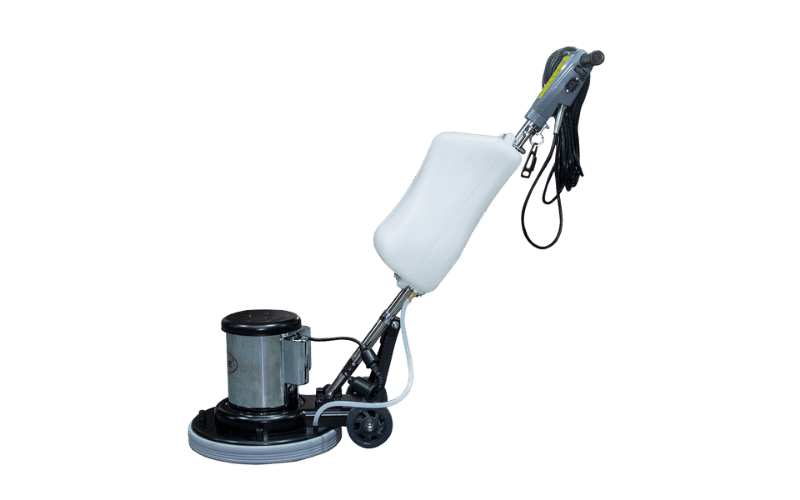
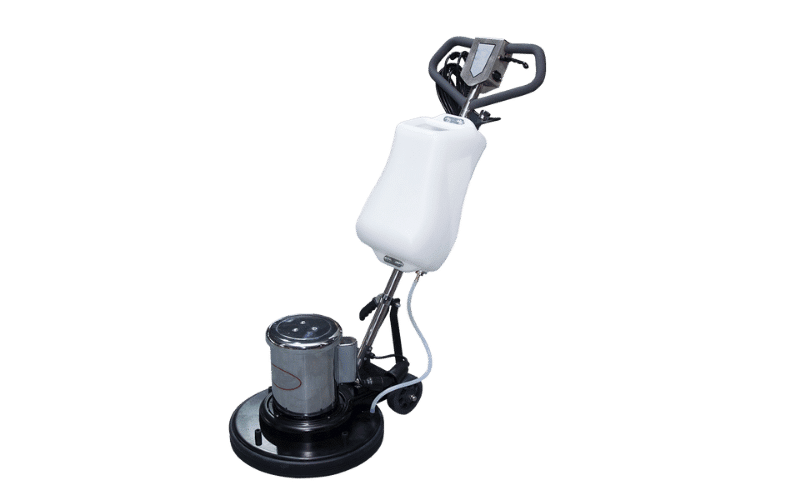



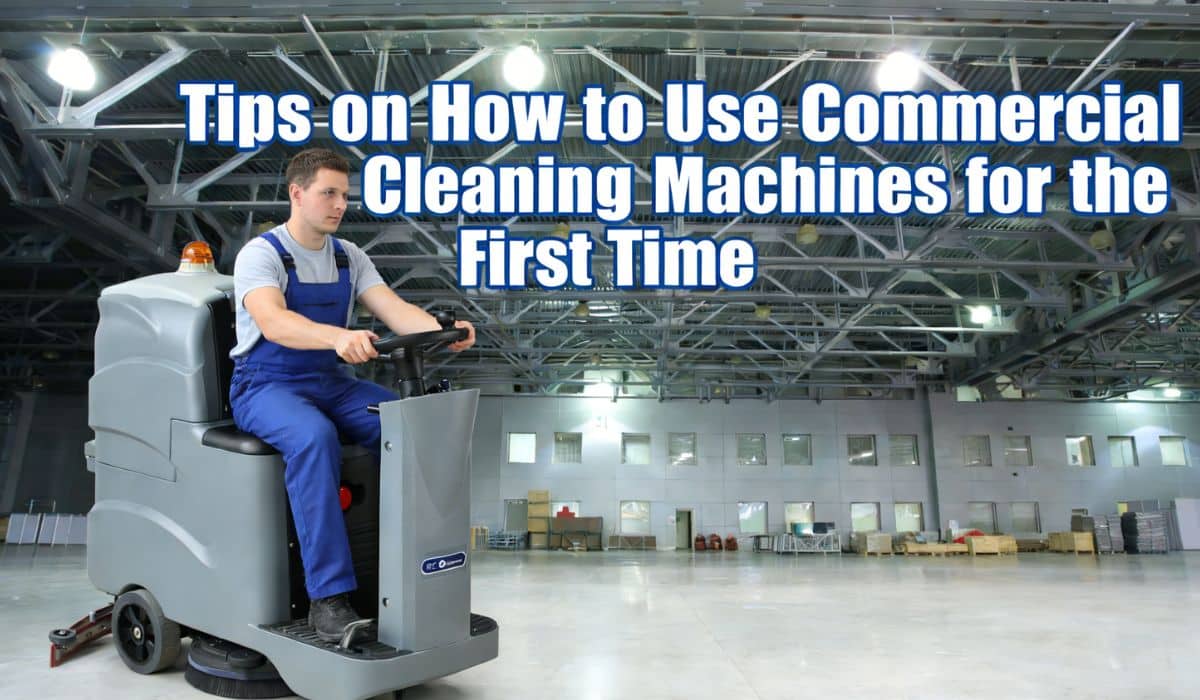
Operating a commercial cleaning machine for the first time can feel both exciting and a little intimidating. Whether you are beginning a new career in facility maintenance or adding equipment operation to your skill set, learning to use a scrubber or sweeper safely is essential. These are powerful machines designed to maintain large spaces, and they can pose risks if not operated correctly.
With the right training, preparation, and awareness, new operators can gain confidence and stay safe on the job. Proper handling ensures not only your safety but also the longevity of the equipment and the cleanliness of the facility. We’ll go over some basic operating tips to help keep you and others on the job site safe.
Things First-time Cleaning Machine Operators Should Consider
1. Understand the Importance of Training and Certification
Before you start cleaning, formal training is a must. While not always mandated by law, as with forklift operation, employer-required training and certification are standard practice. This process typically involves both classroom instruction on safety principles and hands-on experience with the specific machine you’ll be using.
Formal training covers equipment types, from walk-behind scrubbers to large ride-on sweepers, as well as workplace hazards and operational best practices. These programs are all designed to help you work safely and efficiently, protecting yourself, your colleagues, and the machine.
This instruction emphasizes real-world scenarios, ensuring operators can confidently operate equipment in various environments, from warehouses to retail stores. A safety-focused education is the foundation of a successful career in professional cleaning.
2. Prepare with the Right Attire and PPE
Wearing the correct gear isn’t just about following rules; it’s about protecting yourself from preventable accidents. Avoid loose clothing, untied shoelaces, or dangling accessories that could get caught in the machine’s moving parts, such as rotating brushes or wheels.
Appropriate personal protective equipment (PPE) for cleaning machine operators typically includes:
- Non-slip, closed-toe shoes for foot safety and traction on wet floors.
- High-visibility vest so others in a busy facility can easily see you.
- Gloves for better grip and protection when handling cleaning chemicals or performing maintenance.
- Safety glasses if your environment involves splashing chemicals or flying debris.
3. Conduct a Thorough Pre-Operation Inspection
A pre-shift inspection ensures your cleaning machine is safe and ready for use. This simple checklist can prevent unexpected breakdowns and accidents. Be sure to document any issues you find and report them to your supervisor before using the equipment.
Before starting the machine, you will need to:
- Complete a Visual Inspection: Look for leaks from tanks or hoses, tire damage, or loose parts on the machine body.
- Perform an Operational Check: Test the controls, lights, horn, and backup alarm (if applicable) to ensure they function correctly.
- Check the Cleaning System: Confirm there are no blockages in the solution lines or vacuum hoses. Make sure tanks are clean.
- Inspect the Consumable Components: Check the brushes or pads for excessive wear, and inspect the squeegee blades for tears or damage. Ensure they are securely attached and properly adjusted.
4. Get to Know the Cleaning Machine Components and Controls
Before you start moving, take time to familiarize yourself with the machine’s layout. Locate the steering mechanism, accelerator, brake, and parking brake. Understand the function of each control on the dashboard, which typically manages solution flow, brush pressure, and vacuum power.
Most cleaning machines also have:
- Solution Tank: Holds the clean water and cleaning chemicals.
- Recovery Tank: Collects the dirty water vacuumed up from the floor.
- Brush Deck: The assembly that houses the rotating brushes or pads.
- Squeegee Assembly: The rear-mounted component that vacuums water off the floor, leaving it dry.
Reading the operator’s manual is always recommended for model-specific features and troubleshooting tips.
5. Operate Safely for the First Time
When you first operate a cleaning machine, slow and steady wins the race. Begin in a controlled, open area, ideally under the supervision of an experienced operator, before working in active or congested environments. Always remember that larger ride-on machines have a wide turning radius, which can take some getting used to.
Key safety practices include:
- Start smoothly to avoid sudden jolts.
- Adhere to facility speed limits and adjust your speed based on surface conditions and congestion.
- Keep the brush deck and squeegee raised while traveling to and from the cleaning area.
- Use the horn at intersections, blind spots, and when approaching pedestrians.
- Avoid sharp turns, especially on wet floors, to reduce the risk of skidding.
6. Be Aware of Surroundings and Common Hazards
A big part of machine safety is constant awareness of your environment. Even experienced operators can run into trouble if they become distracted or complacent, especially in a dynamic workplace like a warehouse or retail store.
To stay alert and aware, cleaning machine operators should:
- Scan ahead for people, obstacles such as pallets or displays, and changes in floor surface.
- Stay in open space when possible to reduce collision risk.
- Avoid driving over loose debris or cords that could get tangled in the brushes.
- Check for potential hazards, such as low-hanging shelves and narrow aisles.
- Get a lay of the land before starting work in a new area.
When in doubt, stop the machine and reassess the situation before proceeding.
7. Final Safety Measures and Parking
When you’ve completed your work, parking and storing the machine correctly is just as important as operating it. A secure, stable shutdown routine helps keep both people and equipment safe and prepares the machine for the next user.
To safely park a cleaning machine:
- Lower the brush deck and squeegee assembly completely to the ground to release tension.
- Neutralize all controls and set the parking brake firmly.
- Turn off the machine and remove the key to prevent unauthorized use.
- Park in designated areas away from pedestrian walkways or active work zones.
- Empty and rinse the solution and recovery tanks, and plug in the machine to charge if it is battery-operated.
8. Develop Confidence with Ongoing Practice & Evaluation
Operating skills improve with repetition. Even after your initial training, operators should regularly review best practices and participate in any available refresher training. Ask experienced colleagues for feedback on your technique, practice maneuvering in low-traffic areas when possible, and build your confidence gradually. The more comfortable you become, the safer and more efficient you will be.
FAQ
What are the steps to operate a cleaning machine?
Operating a cleaning machine involves:
- Completing proper training provided by your employer.
- Inspecting the machine before each use.
- Starting the machine and adjusting settings for the specific floor type.
- Operating the machine at a safe, steady speed.
- Performing post-cleaning tasks like emptying tanks and parking the machine safely to charge.
Is it easy to learn how to operate a cleaning machine?
With the right training, many new operators quickly become comfortable. While the machines are not difficult to learn, they do require focus and adherence to safety protocols. Beginners often need a little time to adjust to the machine’s size and turning radius.
What are the basic rules of cleaning machine operation?
- Never operate a machine you haven’t been trained on.
- Always perform a pre-operation inspection.
- Drive at safe speeds and be aware of your surroundings.
- Always wear the required PPE.
- Be aware of pedestrians and other vehicles in the area.
Start Your Journey in Cleaning Machine Operation
Learning to operate a commercial cleaning machine is a step toward a rewarding career in facility management and cleaning. These skills are in high demand across various sectors, from warehousing and logistics to healthcare and retail. By mastering this equipment, you become a valuable asset to any team.
Proper training provides the foundation you need to operate equipment safely and effectively. By combining instruction with hands-on practice, you can prepare for real job-site conditions and build a successful career grounded in expertise and professionalism.