







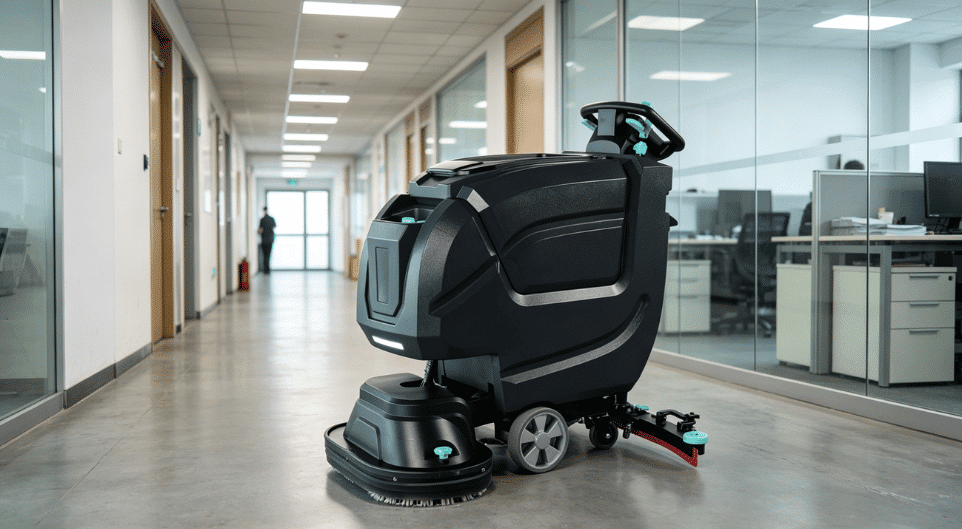
Dirty, unsafe floors cost more than most facilities realize. They eat into labor hours, raise slip-and-fall risk, and quietly wear down expensive flooring before its time. For many warehouses, factories, retail stores, and healthcare sites, an automatic floor scrubber is the upgrade that fixes all three problems at once—cleaning faster, drying sooner, and protecting the floor underneath.
This guide breaks down what these machines are, why facilities are moving away from mop-and-bucket cleaning, and the five core benefits that make the switch worthwhile. You’ll also see how an automatic scrubber compares to manual mopping, which workplaces gain the most, how to choose the right model, and the mistakes to avoid. By the end, you’ll have what you need to make a confident, cost-aware decision for your space.
What Is an Automatic Floor Scrubber?
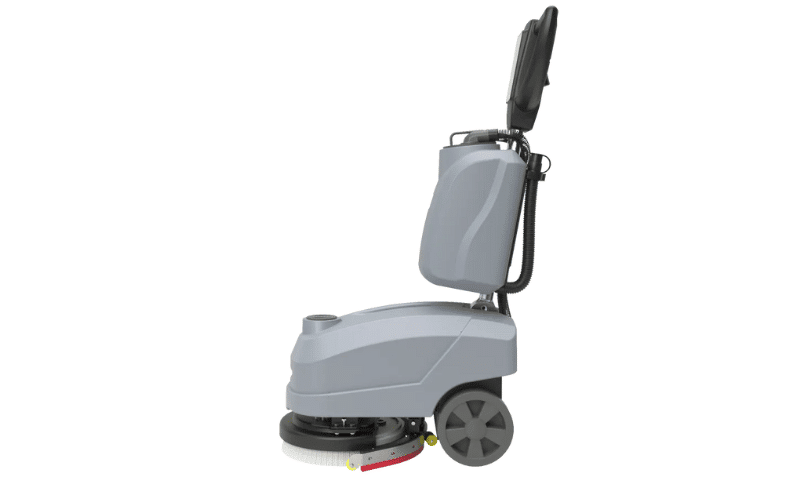
An automatic floor scrubber is a powered cleaning machine that performs three tasks in a single pass: it applies a cleaning solution to the floor, scrubs the surface with rotating brushes or pads, and vacuums up the dirty water—leaving a clean, nearly dry floor behind. Instead of pushing grime around with a mop, it lifts soil off the surface and removes it completely.
That dispense → scrub → recover process is exactly why these machines outperform mopping. The floor gets a fresh solution every time, the scrubbing action loosens embedded dirt, and the recovery system pulls the spent water away before it can spread or pool.
How an Automatic Floor Scrubber Works
Four core components do the work. The solution tank holds clean water and detergent. The brushes or pads scrub the floor with steady pressure. The squeegee channels the dirty solution toward the vacuum. The recovery tank collects that wastewater for disposal.
Washing and drying in one motion is the real advantage. A mop leaves floors wet for several minutes, but a scrubber clears the moisture immediately—keeping the area safer and ready for traffic right away.
Common Types at a Glance
Automatic scrubbers come in two main formats. A walk-behind floor scrubber is pushed by the operator and suited to tighter, mid-size spaces. A ride-on floor scrubber lets the operator drive across large, open areas with far less fatigue. Power options include battery models for cordless freedom and corded units for continuous runtime. We’ll cover how to choose between them further down.
Read More: Walk-Behind vs. Ride-On Floor Scrubber: Which Is Best for You?
5 Reasons to Use an Automatic Floor Scrubber in Your Workplace
The automatic floor scrubber benefits below aren’t just features—they’re measurable business outcomes you can track in labor hours, safety records, and floor-replacement budgets.
1. Better Cleaning Quality and Longer Floor Life
A mop spreads dirty water around and leaves embedded grit behind. An automatic scrubber applies consistent brush pressure with fresh solution, lifting the ground-in soil that mopping simply pushes from one spot to another. The result is a genuinely cleaner surface, every pass.
That deeper clean also protects your investment. Removing abrasive grit and chemical buildup prevents premature wear on floor finishes and industrial coatings. Floors maintained with a scrubber hold their appearance longer and need refinishing far less often—a direct saving on a major facility expense.
2. Improved Safety and Faster Dry Times
The integrated squeegee and vacuum leave floors nearly dry the moment the machine passes. That alone removes the wet, slippery surfaces that cause so many slip-and-fall incidents with traditional mopping.
There’s an operational win too. Because floors dry almost instantly, you can clean during active business hours without blocking off large sections for drying. Retail aisles, hospital corridors, and warehouse lanes stay open and safe while cleaning gets done.
3. Lower Labor Costs and Higher Productivity
One operator with an automatic scrubber covers far more square footage per hour than a crew working with mops and buckets. That speed frees your team to handle other cleaning tasks instead of spending entire shifts on floors.
The benefits compound over time. Faster cleaning cycles mean less disruption to daily operations and foot traffic. And because the machine does the heavy work, employees face less physical strain—which leads to fewer fatigue-related injuries and lower turnover. For most facilities, labor is the biggest cleaning expense, so this is where the machine pays for itself fastest.
4. Lower Water and Chemical Use
Modern scrubbers dispense solution with precision. Calibrated settings release the exact amount of detergent needed for the soil level, instead of the uncontrolled pouring that comes with manual methods. On-board tanks meter water far more efficiently than a bucket ever could.
Some models add recovery and recycling systems that filter and reuse water mid-cycle. Lower chemical and water use shrinks your facility’s environmental footprint and trims monthly supply orders—a steady, recurring savings that add up over the year.
5. Versatility Across Different Workplace Environments
A single machine can adapt to many surfaces. Adjustable brush pressure lets the same scrubber handle polished concrete, tiled lobbies, and porous warehouse floors without missing a beat. Interchangeable pads and brushes shift it from light daily scrubbing to deep stripping when needed.
Format and power options further widen that flexibility. Compact walk-behind models slip through tight aisles and office layouts, while ride-on versions tackle massive manufacturing spaces. Different battery and power configurations match the runtime to your specific shift schedule.
Automatic Floor Scrubber vs Manual Mopping
The real question most buyers are asking is simple: automatic floor scrubber vs mop—is the upgrade worth it? When you compare the two side by side, the gap is hard to ignore.
Where Mopping Falls Short
Mopping has built-in limits. It spreads dirt around rather than removing it, and it reuses increasingly dirty water as you go. Floors stay wet for minutes at a time, creating slip hazards and forcing you to close off areas. Worst of all, it’s labor-intensive—covering large spaces eats hours of staff time for mediocre results.
Where the Automatic Scrubber Wins
A scrubber delivers consistent cleaning with a fresh solution on every pass, dries floors almost instantly, and covers the ground several times faster. Over months and years, lower labor hours, reduced floor wear, and efficient use of supplies add up to a clear cost advantage—even after the upfront purchase.
Side-by-Side Comparison
Here’s how the two approaches stack up across the factors that matter most to a facility.
| Factor | Manual Mopping | Automatic Floor Scrubber |
|---|---|---|
| Cleaning quality | Spreads dirt, inconsistent | Lifts and removes soil, consistent |
| Dry time | Several minutes, wet floors | Nearly instant, dry behind the machine |
| Labor required | High, slow coverage | Low, one operator covers more |
| Water/chemical use | Uncontrolled, wasteful | Metered, efficient, sometimes recycled |
| Floor wear | Grit buildup over time | Protects finishes, extends life |
| Cost over time | Low upfront, high ongoing | Higher upfront, lower ongoing |
Which Workplaces Benefit Most From an Automatic Floor Scrubber?
The right fit depends on floor size, traffic levels, and soil load. Here’s how the value plays out across common settings so you can see where your facility lands.
Warehouses and Distribution Centers
These sites demand extensive coverage, rugged durability, and the ability to handle heavy debris. An industrial or ride-on model usually fits best, clearing expansive floors quickly without slowing operations.
Factories and Manufacturing Plants
Factories deal with tough soil loads like grease, dust, and grit, often around the clock. They need a rugged build and strong scrubbing power that holds up to continuous shifts and demanding conditions.
Retail Stores and Supermarkets
Retail prioritizes quiet daytime cleaning, easy maneuverability, and consistently presentable floors. A commercial walk-behind floor scrubber keeps aisles clean and safe without disrupting shoppers.
Hospitals, Schools, and Institutions
Hygiene, low noise, and fast dry times matter most here. Scrubbers clean effectively around people throughout the day, keeping occupied corridors and classrooms safe and sanitary.
Property Managers and Commercial Buildings
Multi-site teams value versatility, predictable costs, and consistent results across locations. A flexible workplace floor scrubber—or a small fleet—simplifies training, servicing, and budgeting.
How to Choose the Right Automatic Floor Scrubber
Matching the machine to your real conditions prevents costly mistakes. Run through these factors before you buy to land on the model that actually fits your space.
Walk-Behind vs Ride-On
A walk-behind floor scrubber suits tighter, mid-size areas with obstacles and narrow aisles. A ride-on floor scrubber earns its place in large, open spaces where coverage speed and operator comfort matter most. Match the format to your square footage and layout.
Cleaning Path and Tank Size
A wider cleaning path covers more ground per pass, while larger solution and recovery tanks mean fewer stops to refill and empty. Bigger facilities benefit from both; smaller sites can stay lighter and more agile.
Battery Runtime and Power Source
Battery models offer cordless freedom and quiet operation, while corded units run continuously without recharging. Match the runtime to your shift length so the machine finishes the job without interruptions.
Brush Pressure and Floor Compatibility
Adjustable brush pressure and interchangeable pads allow a single machine to handle different floor types and soil levels. Confirm the scrubber suits your surfaces—polished concrete, tile, or porous floors—before committing.
Maintenance and Total Cost of Ownership
Look beyond the purchase price. Factor in consumables, routine upkeep, parts availability, service support, and expected lifespan. A slightly pricier machine that runs reliably for years often costs less than a cheap one that breaks down.
Quick Buying Checklist
Use this at-a-glance checklist to weigh your options fast.
| Factor | What to Confirm |
|---|---|
| Format | Walk-behind for tight spaces, ride-on for large areas |
| Cleaning path | Wide enough for your square footage |
| Tank size | Enough runtime between refills |
| Power source | Battery or corded, matched to shift length |
| Brush pressure | Adjustable for your floor type and soil load |
| Maintenance | Service support, parts, and total cost of ownership |
Common Mistakes to Avoid
A few recurring errors cost facilities money and productivity. Keep these in mind as you evaluate machines.
- Sizing the machine wrong for the space. An oversized unit wastes money and struggles in tight areas, while an undersized one leaves work undone and drains labor hours. Match capacity to your real square footage.
- Ignoring floor type and soil load. The wrong brushes or pads clean poorly and can damage surfaces. Choose accessories that suit your floors and dirt levels.
- Focusing only on purchase price. The cheapest machine often costs the most once maintenance, downtime, and replacements are counted. Compare total cost of ownership.
- Skipping operator training. Untrained staff get weaker results and wear the machine out faster. A short training session protects both performance and the equipment.
- Overlooking maintenance and service support. Downtime is costly when a machine waits for parts. Confirm parts availability and responsive service before you buy.
Frequently Asked Questions
How do I choose between a walk-behind and a ride-on scrubber?
Base it on space and floor size. Walk-behind models suit tighter, mid-size areas with obstacles, while ride-on machines are built for large, open floors where coverage speed and operator comfort matter most.
Is an automatic floor scrubber worth the cost for a small facility?
Often, yes. Even smaller sites save on labor hours and reduce slip risk. A compact walk-behind model can pay off quickly if floors are cleaned regularly, since labor is usually the biggest ongoing cost.
Can an automatic floor scrubber work on uneven or sloped surfaces?
Most are designed for flat, hard floors. Gentle slopes and minor unevenness are usually fine, but steep grades or very rough surfaces can reduce squeegee contact and cleaning quality. Check the spec sheet for the machine’s limits.
Does an automatic scrubber replace the need for sweeping?
Not entirely. Scrubbers handle dirt, grime, and liquids well, but heavy, loose debris should be swept or vacuumed first. Some larger machines include pre-sweep features to reduce that step.
How long does the battery last on a single charge?
It varies by model and tank size, but many battery units run for two to four hours per charge. Match the runtime to your shift length and consider opportunity charging for longer schedules.
What daily maintenance does the machine require?
Empty and rinse the recovery tank, refill the solution tank, check the brushes and squeegee for wear, and wipe the machine down. These quick habits keep performance steady and extend the machine’s life.
Is special training required to operate the equipment?
Most machines are straightforward, and operators can learn the basics in a short session. Proper training improves cleaning results, protects the machine, and keeps the operator safe.
How much can an automatic floor scrubber save on labor costs?
Savings depend on facility size, but because one operator covers far more ground per hour than a mop crew, many sites cut floor-cleaning labor significantly—often the fastest route to recovering the machine’s cost.
Conclusion: Is an Automatic Floor Scrubber Worth It for Your Workplace?
For most facilities, the answer is yes. An automatic floor scrubber delivers cleaner floors, safer conditions, lower labor costs, and longer floor life than manual mopping ever could. The upfront investment is real, but the ongoing savings in labor, supplies, and floor replacement typically outweigh it.
The right choice comes down to your space. Warehouses and factories tend to use industrial or ride-on machines, while retail, schools, and clinics usually suit commercial walk-behind units. Whatever your facility, match the machine to your floor type, square footage, and shift needs.
Here’s a simple next move: audit your current floor-care costs—labor hours, chemical waste, and downtime—to set a baseline. Then evaluate your facility layout for the right deck size and path width, and request a demo or consult a specialist for a recommendation tailored to your workplace.