







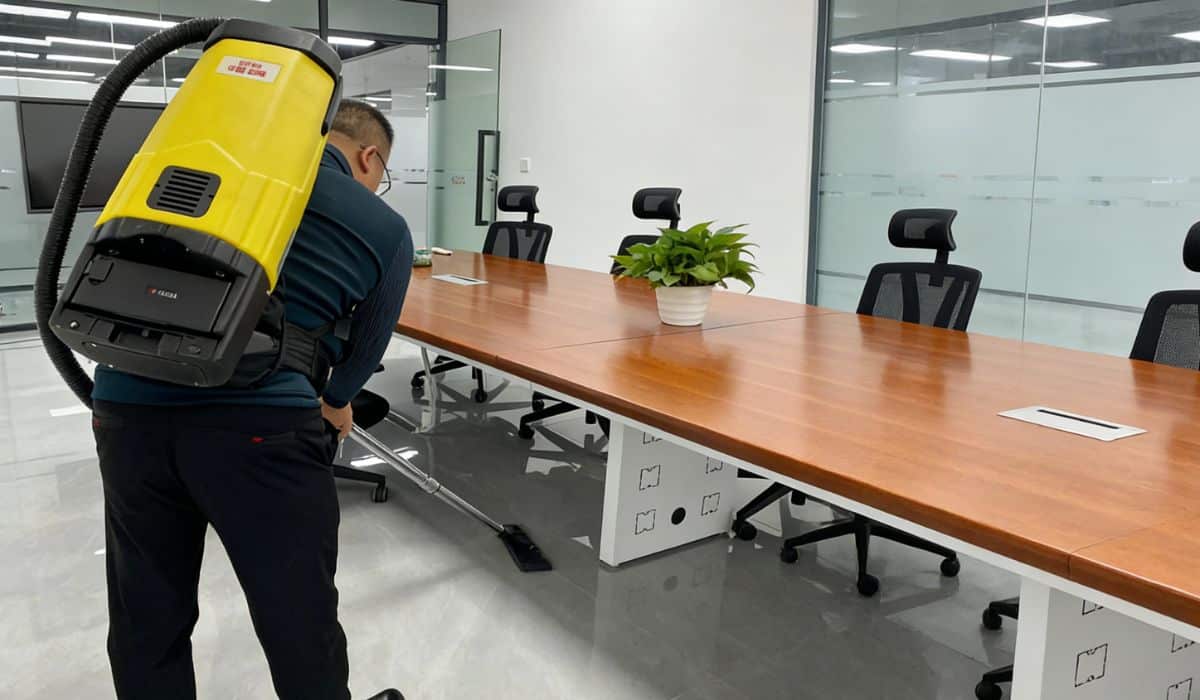
Imagine a world where cleaning is no longer a chore tethered by a cord — where spotless floors are just a quick grab away. This is not a futuristic vision; since cordless vacuum cleaners entered the market, they have revolutionized how people clean. These lightweight, powerful devices not only make cleaning less of a hassle but also save precious time and effort. However, is investing in a cordless vacuum the right move for you? What are their real-world advantages and disadvantages? Before you bring one home, let’s explore the pros and cons to help you make an informed choice.
What Are the Pros of Cordless Vacuum Cleaners?
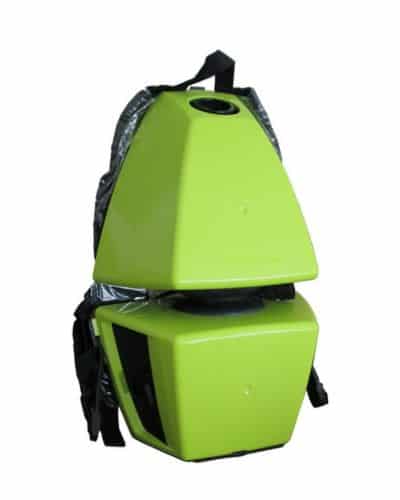
Cordless vacuums offer a wide array of advantages, including incredible portability, lightweight designs for easy handling, time-saving convenience, advanced filtration and sensor technology, rechargeable batteries, and versatility for cleaning almost any surface, making them an efficient and modern cleaning solution.
Portability and Freedom of Movement
Say goodbye to being tethered to a wall socket and tripping over long cables. The primary advantage of a cordless vacuum is the complete freedom of movement it provides. You can seamlessly move from room to room, up and down stairs, and even out to your car without ever having to stop and find a new power outlet. This unrestricted mobility makes the entire cleaning process faster and far less frustrating. Cleaning large, open-plan living areas or tackling quick spills becomes an effortless task when you are not limited by the length of a power cord. This freedom turns a dreaded chore into a simple, fluid activity.
Lightweight Design
Most cordless vacuums are designed with user comfort in mind, featuring lightweight and ergonomic construction. This makes them incredibly easy to carry, lift, and maneuver, significantly reducing the physical strain of cleaning. Lifting a heavy, traditional vacuum up a flight of stairs can be a difficult and sometimes hazardous task. With a lightweight cordless model, cleaning multi-level homes is no longer a workout. Their slim profile also allows them to navigate around furniture and into tight spaces with ease, ensuring a more thorough clean under beds, sofas, and tables where bulkier vacuums cannot reach.
Time-Saving Features
In our busy lives, every minute counts. Cordless vacuums are masters of saving time. There is no lengthy setup process involving unwinding cords, plugging them in, and then winding them back up when you are done. You simply grab the vacuum from its charging dock and start cleaning. This “grab-and-go” convenience is perfect for dealing with unexpected messes, like spilled cereal in the kitchen or tracked-in dirt by the entryway. Because they are so easy to use and store, you are more likely to perform quick, regular clean-ups, which helps maintain a cleaner home overall and reduces the need for marathon cleaning sessions.
Advanced Technology
Modern cordless vacuums are packed with sophisticated technology that rivals or even surpasses many traditional models. Many high-end units come equipped with HEPA filters, which capture up to 99.97% of microscopic dust particles, allergens, and pet dander, significantly improving your home’s air quality. Some models feature smart sensors that automatically detect the floor type and adjust suction power accordingly, optimizing battery life and cleaning performance. This intelligent functionality ensures you get a deep clean on carpets and a gentle touch on hardwood floors without manually switching settings.
Rechargeable Batteries
The heart of a cordless vacuum is its rechargeable battery. These powerful lithium-ion batteries provide consistent, fade-free power throughout your cleaning session, so the vacuum works just as hard at the end of its charge as it did at the beginning. The convenience of a battery-powered device cannot be overstated. You can clean your car, your garage, or a room without an accessible outlet with total ease. Most models come with a wall-mountable charging dock that not only keeps the vacuum charged and ready but also provides a neat, tidy storage solution for the vacuum and its attachments.
Versatility
Cordless vacuums are the Swiss Army knives of home cleaning. Their versatility is one of their strongest selling points. Most models can easily transform from a stick vacuum for floors into a handheld unit for above-floor cleaning. With a range of attachments like crevice tools, dusting brushes, and motorized pet hair tools, you can clean upholstery, curtains, shelves, and car interiors. This multi-surface capability means you can use a single appliance for virtually all your vacuuming needs, from deep-cleaning high-pile carpets to gently dusting delicate hardwood floors, making it a truly all-in-one cleaning tool.
View Products: VC42B Vacuum Backpack For Suction Dust
What Are the Cons of Cordless Vacuum Cleaners?
Despite their many benefits, cordless vacuums have some disadvantages, including limited battery life, a higher initial cost, smaller dustbin capacities, potentially less suction power than corded models, specific maintenance requirements, and certain physical limitations. However, manufacturers are constantly innovating to address these issues and improve the user experience.
Limited Battery Life
One of the most significant drawbacks of a cordless vacuum is its reliance on a battery. Depending on the model and power setting, the runtime can range from as little as 15 minutes to over an hour. For larger homes, this limited battery life can be a major frustration, as you may need to stop mid-clean to recharge the unit, which can take several hours. This disruption can make it difficult to complete a whole-house cleaning in a single session.
Tip: Look for models with swappable batteries or plan your cleaning in zones to work within the battery’s limits.
High Initial Cost
The advanced technology and convenience of cordless vacuums often come at a higher price than traditional corded vacuums. Premium models from top brands can be a significant financial investment. While their performance and features can justify the cost for many users, the high initial outlay can be a barrier for those on a tighter budget. It is important to weigh the long-term convenience against the upfront expense when making a purchasing decision.
Tip: Consider mid-range models or look for sales, as they often provide a great balance of performance and value without the premium cost.
Smaller Dustbin Capacity
To maintain their lightweight and compact design, cordless vacuums are equipped with much smaller dustbins than their corded counterparts. This means you will need to empty the bin far more frequently, sometimes multiple times during a single cleaning session, especially if you have pets or a large family. Forgetting to empty the dustbin can reduce suction power and make cleaning less effective. This constant need for emptying can be an inconvenience that detracts from the overall seamless experience.
Tip: Empty the dustbin after every use to ensure optimal performance and prevent clogs. Some newer, high-end models offer self-emptying base stations.
Reduced Suction Power
While cordless vacuums have become much more powerful, many models still cannot match the raw suction power of the most robust corded vacuums. This can be a disadvantage when dealing with deeply embedded dirt in high-pile carpets or picking up larger, heavier debris. While they are more than adequate for daily maintenance and hard floors, they may struggle with the most demanding cleaning tasks. Users who require deep, intensive cleaning might find that a cordless model alone is not sufficient.
Tip: Use high-power or “boost” modes for stubborn messes and carpets, but be aware that this will drain the battery faster.
Maintenance Requirements
Like any sophisticated appliance, cordless vacuums require regular maintenance to perform at their best. Filters need to be washed or replaced, brush rolls must be cleared of tangled hair and fibers, and the dustbin needs to be cleaned to prevent odors and blockages. Clogged filters can drastically reduce suction power and strain the motor. Failing to keep up with this maintenance can lead to decreased performance and potentially shorten the vacuum’s lifespan.
Tip: Set a monthly reminder to clean the filters and check the brush roll. Refer to the manufacturer’s guide for specific maintenance instructions.
Physical Limitations
The slim, stick-like design of most cordless vacuums can present some physical limitations. While they are great for getting under furniture, their design prevents them from standing on their own, so you have to lean them against a wall or lay them on the floor if you need to pause cleaning. Additionally, while versatile, they are primarily designed for floor and handheld cleaning and cannot tackle tasks like cleaning large spills or deep cleaning upholstery the way a specialized machine could.
Tip: Choose a model with a wall-mounted dock for stable storage or one with a design that allows it to stand independently.
Cordless vs. Corded Vacuum Cleaners: Key Differences
While both cordless and corded vacuums aim to keep your home clean, they cater to very different needs and priorities. Cordless vacuums excel in convenience and portability, offering the freedom to clean anywhere without being tied to an outlet. Corded vacuums, on the other hand, are champions of power and endurance, providing consistently strong suction and unlimited runtime for deep cleaning large areas.
Some premium cordless models now rival the power of mid-range corded vacuums, but generally, corded units still hold the advantage in raw suction, making them ideal for homes with thick carpets. Cost is another key differentiator; corded vacuums are often more affordable upfront. Maintenance varies, but cordless models typically require more frequent dustbin emptying and battery management.
Ultimately, the choice comes down to your lifestyle. If you value quick, convenient clean-ups and have a smaller home or mostly hard floors, a cordless vacuum is an excellent choice. If you prioritize deep-cleaning power and have a large, carpeted home, a corded vacuum may be more suitable. Many households find that a combination of both—a powerful corded model for deep cleans and a cordless one for daily maintenance—offers the perfect cleaning solution.
| Feature | Cordless Vacuum | Corded Vacuum |
|---|---|---|
| Portability | High (no cord) | Low (limited by cord length) |
| Power | Good to Excellent | Excellent to Superior |
| Runtime | Limited (15-60+ mins) | Unlimited |
| Weight | Lightweight | Heavy |
| Dustbin Capacity | Small | Large |
| Cost | Generally Higher | Generally Lower |
| Best For | Quick clean-ups, small spaces, and cars | Deep cleaning, large homes, thick carpets |
FAQs: Cordless Vacuum Cleaners
How long does the battery of a cordless vacuum last?
The battery life of a cordless vacuum varies significantly by model and usage. On standard or eco mode, many vacuums can run for 30 to 60 minutes or more. However, when using a high-power or “turbo” mode for deep cleaning carpets, the runtime can drop to as little as 10-15 minutes. For larger homes, consider models with a longer maximum runtime or those that feature swappable batteries, allowing you to extend your cleaning session by simply clicking in a fresh battery.
Are cordless vacuums as powerful as corded ones?
The power gap between cordless and corded vacuums is narrowing, but in general, top-tier corded vacuums still offer superior suction. High-end cordless models have become incredibly powerful and are more than capable of deep-cleaning most carpets and effectively picking up pet hair and debris. For everyday cleaning on hard floors and low-pile carpets, a good cordless vacuum is just as effective as a corded one. However, for homes with very thick, high-pile carpeting, a powerful corded model may still provide a deeper clean.
What is the average cost of a cordless vacuum?
The price of a cordless vacuum can range widely. Entry-level models can be found for under $200, offering basic functionality suitable for small apartments or light use. Mid-range models, which offer a good balance of power, battery life, and features, typically cost between $200 and $500. Premium, high-performance models from leading brands, featuring advanced technologies such as smart sensors and long-lasting batteries, can cost $500 or more. The price often reflects the vacuum’s suction power, battery runtime, filtration system, and included attachments.
How do I maintain a cordless vacuum?
Proper maintenance is key to keeping your cordless vacuum running efficiently. The most important tasks are regularly emptying the dustbin and cleaning the filters. Most filters are washable and should be cleaned at least once a month, then allowed to air-dry completely before being reinserted. You should also periodically check the brush roll for tangled hair and fibers and cut them away to ensure it can spin freely. Finally, wipe down the exterior and attachments to keep the entire unit clean.
Are cordless vacuums suitable for large homes?
Cordless vacuums can be suitable for large homes, but it depends on the model and your cleaning habits. If you prefer to clean your entire house in one go, you will need a model with a long battery life (60+ minutes) or one with swappable batteries to avoid interruptions. For many people with large homes, a cordless vacuum serves as the perfect tool for daily spot-cleaning and quick tidying, complemented by a more powerful corded or robot vacuum for less frequent, deep-cleaning sessions.
Conclusion
Cordless vacuum cleaners have undeniably changed the landscape of home cleaning, offering unparalleled convenience, portability, and versatility. The freedom to clean without being tied to a cord makes daily chores faster and less cumbersome. Their lightweight design and advanced features make them a powerful tool for maintaining a tidy home. However, it is essential to weigh these benefits against their drawbacks, such as limited battery life, smaller dustbins, and a higher initial cost.
Ultimately, the decision to purchase a cordless vacuum depends on your specific needs, home size, and cleaning style. By considering the pros and cons outlined above, you can determine if the grab-and-go convenience of a cordless model is the right fit for you.