



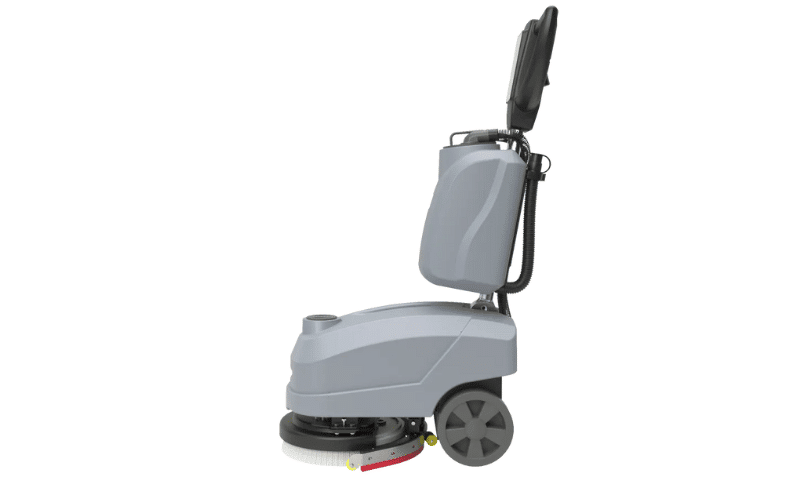

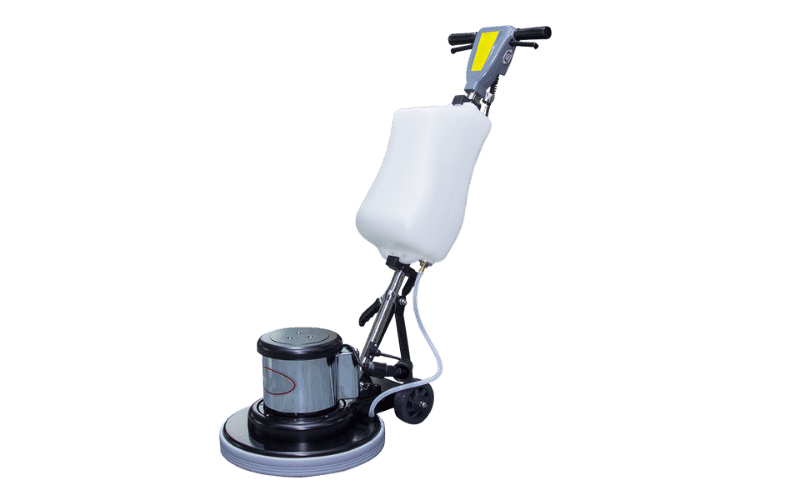
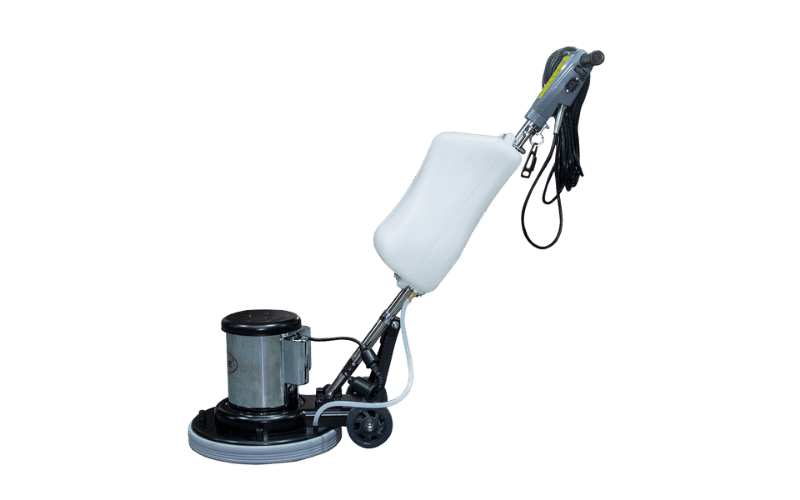
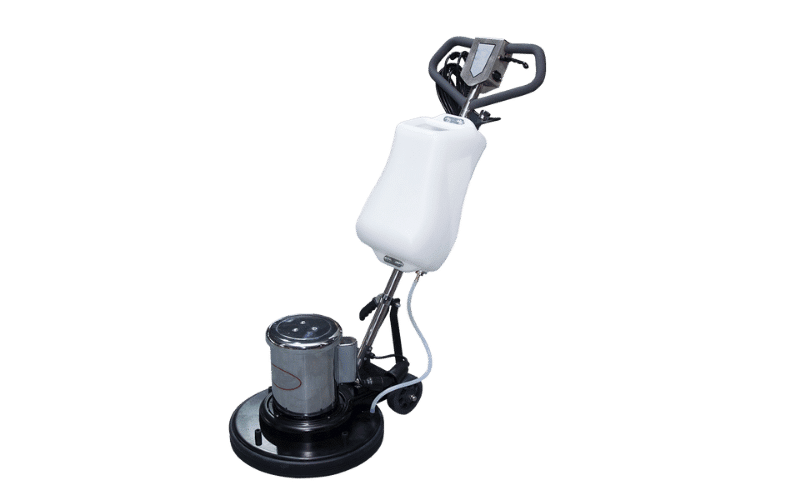



By 2026, lead-acid batteries will remain a vital power source across a range of industries, powering not only vehicles and backup systems but also commercial cleaning equipment such as floor scrubbers. With ongoing demand in automotive, industrial, and especially building maintenance sectors, lead-acid batteries continue to prove their reliability, cost-effectiveness, and recyclability. As businesses strive for more efficient cleaning operations in warehouses, malls, and hospitals, the importance of choosing the right battery size for floor scrubbers has never been greater.
Understanding lead-acid battery sizes is key to maximizing runtime, minimizing downtime, and ensuring your floor scrubbers and other equipment operate at peak performance. These batteries are grouped by standardized sizes, which define their dimensions, voltage, and fitting options. For floor scrubber owners and facility managers, matching battery group size to machine requirements prevents costly errors and unlocks optimal efficiency in commercial cleaning.
Key Takeaways
Lead-acid batteries fit three main types: Flooded (Wet Cell), Absorbed Glass Mat (AGM), and Gel—each suited to different devices and scenarios.
- Flooded Batteries are a classic, budget-friendly choice for automotive and some industrial applications, but they require routine upkeep, such as water refilling—not ideal for floor scrubbers that need hassle-free operation.
- AGM Batteries are sealed, spill-proof, and maintenance-free, making them an industry favorite for floor scrubbers, as well as high-performance vehicles, golf carts, and backup systems. Their vibration resistance and deep cycling capability support heavy cleaning schedules.
- Gel Batteries excel in extreme temperatures and deep discharge environments. For floor scrubbers operating in sensitive environments—such as hospitals or food processing plants—gel types reduce the risk of leaks and fumes.
- Choosing Wisely: Evaluate energy needs (Ah), voltage, and cycle life when selecting a lead-acid battery. For floor scrubbers, prioritize AGM or gel types for deep-cycle requirements, minimal maintenance, and safety.
Overview of Lead Acid Batteries
Lead-acid batteries come in several styles—Flooded, AGM, and Gel—each offering strengths and trade-offs for different applications, including floor scrubbers.
Flooded Lead-Acid Batteries
Flooded types are durable and cost-effective, and are found in many vehicles and pieces of heavy equipment. Their ongoing requirement for water checks and upright installation makes them less convenient for commercial floor scrubbers, where spill risk and maintenance can interrupt cleaning schedules.
| Feature | Explanation |
|---|---|
| Capacity | Energy stored (Amp-hours), vital for determining floor scrubber runtime |
| Voltage | Typically 12V, with options up to 48V for industrial applications |
| Maintenance | Regular electrolyte checks—challenging for scrubbers often used in busy environments |
| Cycle Life | Deep cycling shortens life; flooded types wear out faster in daily cleaning tasks |
| Cost | Most affordable up front, but higher maintenance |
| Safety Tips | Must be kept upright and ventilated—an issue in compact or fully enclosed scrubbers |
While affordable, the maintenance-heavy nature of flooded batteries means they are now mostly found in budget or older cleaning machines.
AGM Lead-Acid Batteries
Absorbed Glass Mat (AGM) batteries are the go-to for modern floor scrubbers. Their spill-proof, sealed design and enhanced vibration resistance deliver both safety and reliability in environments where machines are in constant motion and may be exposed to bumps or tilts. AGM batteries are popular in scrubbers because they offer rapid recharging and can withstand frequent deep discharges, matching the demands of busy cleaning operations.
The popularity of AGM batteries has soared, driven by their use in new floor scrubber models, renewable energy systems, and stop-start vehicles.
Gel Lead-Acid Batteries
Gel types encapsulate the electrolyte in a thick, silica-based paste, making leakage almost impossible. They are best for sensitive indoor spaces, such as hospitals and food preparation areas, where any fluid release or gas emission could be hazardous. For high-end or specialty floor scrubbers, especially in hygiene-critical settings, gel batteries are an excellent match, though they require specialized chargers and careful voltage management.
Overall, understanding these battery types helps floor scrubber operators choose based on their priorities: runtime, safety, maintenance, and total cost.
Common Lead Acid Battery Sizes and Applications
Popular Flooded Battery Sizes
Flooded lead-acid batteries are still seen in automotive and marine settings, and occasionally in cost-conscious industrial applications. Common group sizes include Group 24, Group 27, and Group 31, with each chosen for its compatibility and output.
For floor scrubbers, flooded batteries are used primarily in older or entry-level models due to their affordability, but they come with significant trade-offs. They demand regular maintenance, and their open-cell design makes spills more likely when machines are moved or tilted—a risk in high-traffic cleaning environments.
| Battery Size (Group) | Approx. Dimensions (LxWxH inches) | Voltage (V) | Capacity (Ah) | Key Benefits |
|---|---|---|---|---|
| Group 24 | 10.25 x 6.8 x 8.8 | 12 | 70 – 85 | Used in compacts, entry-level machines |
| Group 27 | 12.0 x 6.8 x 8.8 | 12 | 85 – 105 | Better runtime for midsize floor scrubbers |
| Group 31 | 13.0 x 6.8 x 9.4 | 12 | 95 – 125 | Preferred for industrial scrubbers, long shifts |
Groups 27 and 31 are widely used in commercial floor scrubbers for their balance between package size and sustained runtime. Their ample capacity keeps machines operational for extended cleaning routes before recharge becomes necessary.
AGM Battery Sizes and Their Use Cases
AGM batteries dominate the floor scrubber market, especially for models requiring deep cycling, minimal maintenance, and reliable performance. Available in the same group sizes as flooded batteries—particularly Group 27, Group 31, GC2, and U1—AGMs allow cleaning operations to proceed without stopping for frequent battery servicing.
The sealed design prevents acid leaks, and their resistance to vibration means they last longer in machines frequently traveling over tiled, textured, or even mildly uneven flooring. For facility managers, this directly translates to fewer interruptions and lower long-term cost, establishing AGM as the battery of choice for most mid-range and professional-grade scrubbers.
Gel Battery Applications
Gel lead-acid batteries, though less common overall, have a specialized niche in floor scrubbers deployed in highly sensitive environments. For instance, food processing plants and hospitals often specify gel batteries for their machines to mitigate the risk of electrolyte spillage and to eliminate fume emissions.
Typically available in BCI sizes like Group 24, Group 27, and GC2, gel batteries also thrive in extreme temperature environments or when machines will be left in storage without frequent charging. Newer compact floor scrubber models for constrained environments are increasingly offered with gel battery options for added safety and compliance.
Proper selection and charger pairing are vital to get the most out of gel batteries, but for floor scrubber fleets in sensitive locations, the benefits far outweigh the additional upfront cost.
Whether your equipment roll-out is for routine cleaning or sensitive site use, choosing the correct size and type ensures your scrubbers consistently deliver top performance.
Emerging Trends in Lead Acid Battery Sizes for 2026
Compact Lead Acid Battery Designs
Battery manufacturers are responding to rising demand for smaller, agile floor scrubbers by developing compact AGM and gel batteries that deliver high output without increasing weight or bulk. These innovations use advanced carbon grids and denser internal architectures to squeeze more amp-hours into less space.
Compact batteries are ideal for the new class of narrow-floor scrubbers and cordless mini-scrubbers used in tight retail aisles, restrooms, and offices. The improved charge retention and faster recharge times make these units ideal for locations where cleaning happens during brief windows.
Larger Batteries for Industrial and Renewable Applications
At the other end, industrial-grade floor scrubbers designed for huge warehouses or airport concourses rely on large-capacity Group 31, GC2, or even L-16 batteries. By integrating technologies such as bipolar plate design, these batteries support longer continuous runtimes and higher current demands. As a result, one charge can easily cover an entire shift without mid-task battery swaps, a critical requirement in facilities that run 24/7 cleaning operations.
With the expansion of renewable energy storage and all-electric fleets, expect the overlap between high-capacity traction batteries and scrubber applications to deepen, unlocking new efficiencies for large-scale cleaning and facility management.
Customizable Lead Acid Battery Solutions
A growing trend in 2026 is modular battery packs that can be tailored to the unique runtime, voltage, and footprint requirements of specific floor scrubber models. This flexibility allows building managers to specify power solutions that maximize cleaning cycles between charges and fit machines with space constraints.
Custom battery trays and connection systems also reduce maintenance downtime, further aligning with the goal of maximizing scrubber usage and improving total cost of ownership. As more floor scrubber buyers demand tailored equipment, customizable battery solutions will be a major differentiator for manufacturers.
Choosing the Right Lead Acid Battery Size
Key Factors to Consider
Selecting the right battery size for a floor scrubber begins with understanding daily runtime, the environment, and the equipment’s electrical demands. Smaller ride-on scrubbers may only need Group 27 AGMs, while large walk-behinds or riders covering industrial spaces might require dual Group 31 or even larger GC2 cells in series for more voltage and endurance.
Prioritize deep-cycle ratings for cleaning equipment, since frequent discharge is typical during multiple daily cleaning sessions. Ensure the voltage (usually 24V or 36V for scrubbers) matches the machine’s requirements, and check that the battery’s dimensions and weight fit the tray and the operator’s handling needs.
A battery’s cycle life will dictate replacement frequency—AGM or gel batteries, because of their sealed design and robust construction, can outlast conventional flooded types, especially under the load profiles common in commercial cleaning.
Matching Lead Acid Battery Sizes to Applications
For floor scrubber applications, Group 27, Group 31, and GC2 batteries are most widely used, offering a range of capacities for diverse cleaning needs. Compact units may take smaller U1 or AGM blocks, while heavy-duty scrubbers need the paired capacity of GC2 or L-16 cells.
| Group Size | Type | Dimensions (LxWxH inches) | Nominal Voltage (V) | Typical Capacity (Ah) | Applications | Notes |
|---|---|---|---|---|---|---|
| U1 | AGM | 7.7 x 5.2 x 7.2 | 12 | 30 – 35 | Small scrubbers, wheelchairs | Lightweight, easy to handle |
| Group 24 | AGM/Flooded | 10.25 x 6.8 x 8.8 | 12 | 70 – 85 | Compact scrubbers, cars | Fits tight trays; maintenance is needed for flooded |
| Group 27 | Deep Cycle | 12.0 x 6.8 x 8.8 | 12 | 85 – 105 | Walk-behind/ride-on scrubbers | Balance of size and runtime |
| Group 31 | Deep Cycle | 13.0 x 6.8 x 9.4 | 12 | 95 – 125 | Industrial ride-on scrubbers | Long shifts, high output |
| GC2 | AGM/Deep | 10.25 x 7.1 x 10.9 | 6 | 200 – 230 | Large scrubbers, golf carts, solar | Often wired in series for 24V/36V setups |
| L-16 | Deep Cycle | 11.75 x 7.0 x 16.0 | 6 | 350 – 400 | Floor scrubbers, energy storage | Extended runtime for heavy-duty jobs |
A quick consultation with your scrubber manufacturer or distributor will help you select the most cost-effective match, balancing price, expected lifetime, and best fit for your facility’s cleaning patterns.
Wrapping Up
Successfully powering your floor scrubbers—and all commercial cleaning equipment—starts with understanding lead acid battery sizes and choosing the right chemistry (AGM or gel) and BCI group for your machines. With options ranging from compact AGM blocks for lightweight models to oversized GC2 or L-16 cells for industrial giants, the right pairing maximizes cleaning time, minimizes disruption, and keeps facilities spotless and safe.
Floor scrubber performance and longevity are deeply connected to the battery you choose. Investing in proper sizing and trusted battery types reduces maintenance hassles, supports sustainability by extending battery life, and ensures your cleaning crew can rely on every pass to count. Consult battery charts and speak with experts to make informed decisions that benefit both equipment and operations.
FAQ
What are the standard lead-acid battery sizes?
Lead-acid batteries use BCI Group numbers to standardize sizes. Common groups include 24, 27, 31, and 35 for vehicles, and GC2 for golf carts.
Each size fits specific battery trays. For example, Group 24 batteries are roughly 10 inches long. They are standard for many American cars. Use a BCI size chart to ensure a perfect physical fit.
What is the largest lead-acid battery available?
The largest standard commercial sizes are 8D batteries, often used in buses and earthmovers. However, industrial 2-volt submarine or grid-storage cells can be massive, weighing thousands of pounds.
Large batteries like the 8D store huge amounts of power for heavy cranking. They also serve as the backbone for large marine house banks.
Tip: Always plan for the weight when installing these large units.
How do I choose the right lead-acid battery size?
First, consult your vehicle or equipment owner’s manual for the required Group Size and minimum CCA. Then, decide on the type (Flooded vs. AGM) based on your budget and maintenance ability. Start-stop vehicles usually require an AGM. Solar systems need Deep Cycle ratings, not cranking amps.
What are the advantages of AGM batteries over flooded batteries?
AGM batteries are maintenance-free and spill-proof. They vibrate less and charge faster than flooded types. Their internal resistance is lower, providing better bursts of power.
While they cost more, they are safer to mount inside vehicles. They also last longer in applications where the battery sits idle for periods.
Why are lead-acid battery dimensions important?
Battery dimensions (Group Size) determine if it will fit securely in your tray. A battery that is too tall may short out on the hood. A battery that is too loose will vibrate and fail early.
Correct sizing ensures safety and proper cable connection.
Note: Always measure your old battery before buying a new one.