







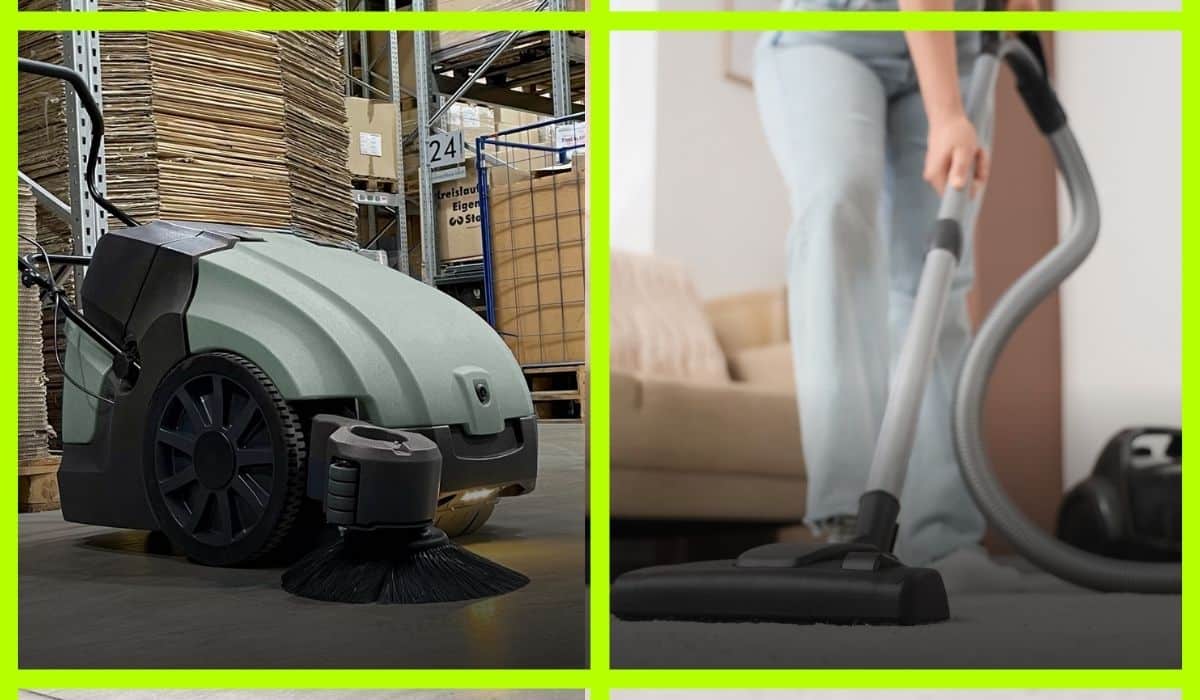
Know the difference between sweepers and vacuums to better inform your choice between these essential cleaning tool options.
The march toward automating all the cleaning tasks gives facility managers lots of options, but makes selecting the best one for them a bit more complex. Where a buyer may have once decided between a broom and a dustpan or a simple upright vacuum, now there’s the added consideration of brush rolls, filtration systems, and battery-powered motors.
Two such automated options—sweepers and vacuums—share many similarities but are suited to different uses and environments. Understanding the differences can help you make the choice that’s best for your needs.
Sweepers Explained
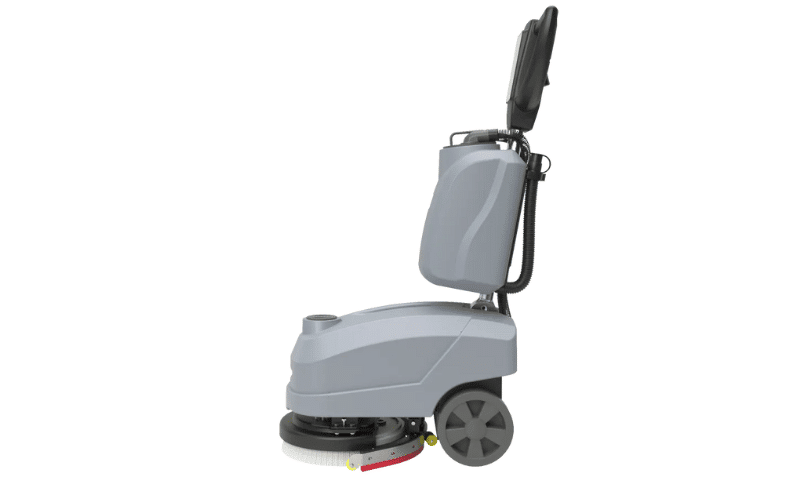
While more and more tools see some level of sophisticated filtration, sweepers keep it mechanical, getting their cleaning power from rotating brushes that flick debris into a hopper. Sometimes referred to as mechanical brooms or floor sweepers, they have at least one main cylindrical brush and often a side brush to capture dirt from corners and edges.
The main operational advantage of a sweeper is its ability to handle large, bulky debris in the local environment it operates in. In almost all cases, they drastically cut the time required to clear areas of litter, cans, leaves, and wood chips, but this depends on the surface they are cleaning, which can range from rough concrete and asphalt to low-pile carpet. Crucially, when such “heavy-duty” tasks are required, every sweeper downstream effectively saves manual labor. On the technical side, a sweeper has a simpler mechanism than a vacuum with a high-powered suction motor, and it provides instant debris pickup, resulting in brisk (and often satisfying) clearing of cluttered floors. They’re also generally quieter and can be used in noise-sensitive areas.
That said, sweepers are not airtight, and their mechanical action can kick up fine dust if not equipped with a vacuum assist or dust control system, making them comparatively tough on indoor air quality (which they don’t typically filter to HEPA standards), while they tend to be less effective on uneven surfaces where the brush can’t make contact. This is mostly a consideration for those who need a deep clean, because a sweeper’s primary job is to reduce volume and remove visible trash, not to sanitize microscopic particles.
There’s also the hopper capacity limitation to consider, as many of the items that go into these bins involve bulky trash, though these impacts are managed as hopper designs improve.
The Advantages of Vacuums
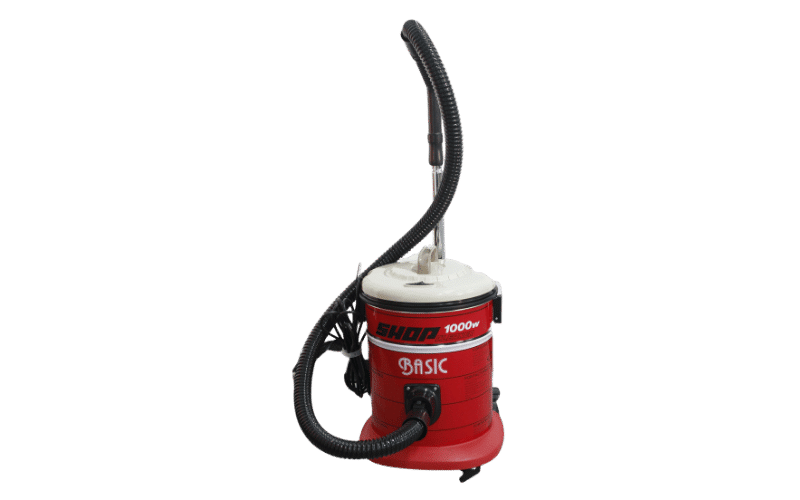
Vacuums are sometimes thought of as the gold standard for hygiene, featuring high-powered suction motors paired with advanced filtration systems that capture dust, allergens, and fine particulates from deep within surfaces. The machine creates a pressure difference to lift dirt from floors and trap it inside a bag or canister, so you may sense a transition from just “looking clean” to actually being clean.
But the combination of a suction motor, filters, and brush bars makes for a complex cleaning machine. Most vacuums rely on electricity (corded or battery) to power suction, with the brush roll there to agitate carpet fibers and augment suction by loosening embedded dirt or pulling up pet hair more efficiently.
Compared to sweepers, vacuums have finer filtration that traps particles as small as 0.3 microns, so their environmental impact on indoor air quality is significantly better, yet they consume more energy to generate suction. There are variations on that theme, chief among them the wet-dry vacuum, which adds a liquid recovery capability and swaps in a specialized tank for handling spills and floods.
Deciding Between a Sweeper and a Vacuum
Sweepers, especially the battery-operated walk-behind variety, are a great maintenance option for those interested in but not yet needing the deep cleaning of a vacuum. A sweeper lets you dabble in rapid debris removal, both indoors and outdoors, still carrying along that heavy-duty capability for parking lots or warehouses when you just can’t risk clogging a vacuum hose with a soda can. If you manage a manufacturing plant or are responsible for maintaining outdoor walkways, a “traditional” sweeper that focuses on bulk pickup will give you the flexibility you may need while still being faster and more efficient than a manual broom.
When you’re ready to go deep-clean only, the expanding array of available vacuums offers hygiene-minded and detail-oriented options, as well as models that handle specific allergens. Choice can be overwhelming, but there’s something for everyone in the automated future of facility maintenance.
Conclusion
In conclusion, understanding the distinct roles of sweepers and vacuums is crucial for maintaining an effective cleaning protocol. We’ve explored how sweepers excel at managing large debris and covering vast areas quickly, while vacuums provide the filtration and suction necessary for a truly hygienic, dust-free environment. As you evaluate your facility’s specific challenges—whether it’s sawdust in a workshop or fine dust in a lobby—remember that the right tool makes all the difference. As technology advances, we can expect even smarter cleaning solutions that may eventually bridge the gap between these two essential tools.