







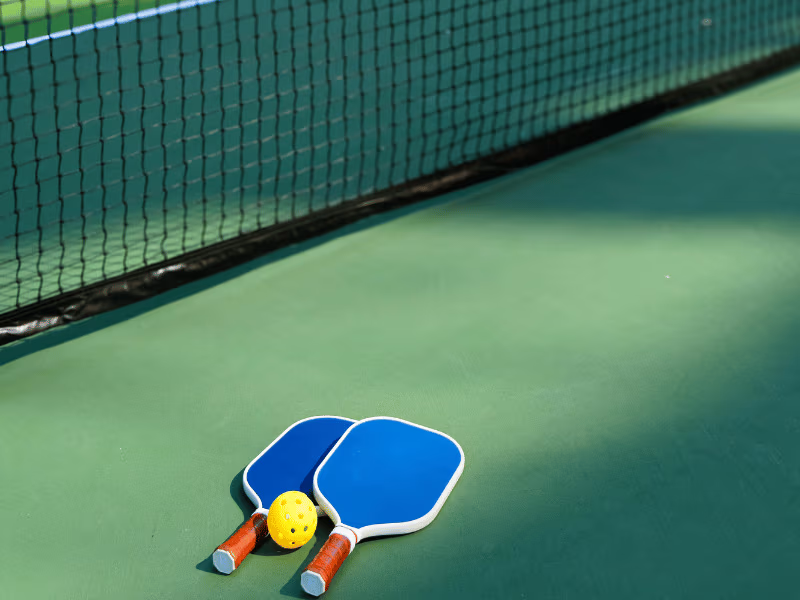
Pickleball court maintenance combines regular cleaning, surface inspections, and seasonal care to protect the acrylic coating and keep play safe. Sweep debris weekly, wash with a pH-neutral cleaner monthly (more often for outdoor courts), inspect for cracks and faded lines quarterly, and avoid harsh chemicals or high-PSI pressure washing, which can strip the coating years ahead of schedule.
A pickleball court doesn’t wear out from footsteps and paddle drops alone. It wears out from neglect — algae left to spread, standing water that seeps into hairline cracks, grit that scratches the coating every time someone sweeps with the wrong broom. None of these problems announce themselves loudly. They build quietly, until a facility manager is suddenly facing a resurfacing bill years earlier than expected.
The good news is that pickleball court maintenance isn’t complicated. It just requires consistency and the right approach for the surface in question. Whether you’re managing a single backyard court or a ten-court indoor complex, the same core principles apply: clear debris often, clean gently, and catch small problems before they become expensive ones.
This guide covers everything facility managers, parks departments, clubs, and backyard court owners need to know — from daily upkeep to seasonal deep cleans, the equipment worth investing in, and the mistakes that shorten a court’s lifespan.
Why Pickleball Court Maintenance Matters
Routine maintenance protects four things at once: player safety, court lifespan, play quality, and your budget.
Safety comes first. Algae, standing water, and dust buildup all reduce traction, increasing the risk of slips during the quick lateral movements pickleball demands. A court that looks clean from a distance can still carry a slippery film that only becomes obvious mid-rally.
Lifespan is where neglect costs the most. Acrylic coatings are engineered to last for years, but only when protected from abrasive brushes, harsh chemicals, and pooling water. Courts that skip regular cleaning often need resurfacing years before a well-maintained court would typically be replaced.
Play quality depends on a consistent surface. Grit changes ball bounce. Faded lines create disputes over boundary calls. A buildup of residue can make a court feel sticky in one spot and slick in another, throwing off footwork that players rely on muscle memory to execute.
Cost prevention ties all of this together. A cracked, discolored, or prematurely worn court costs far more to repair than to maintain. Routine cleaning and inspection catch problems before they become a quick fix.
Know Your Court Surface Before Cleaning
Not every pickleball court is built the same way, and the cleaning approach should reflect that.
Acrylic-Coated Courts
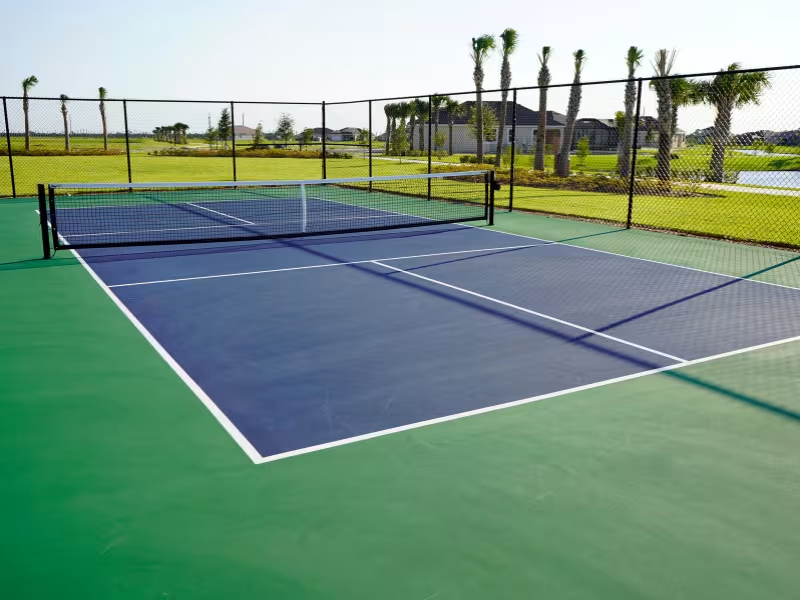
Most dedicated pickleball courts use an acrylic coating applied in thin layers over a concrete or asphalt base. This coating gives the court its color and texture, but it’s thinner and more delicate than it looks. Stiff brushes, bleach, ammonia, and high-pressure water can all strip it prematurely, leading to faded patches, a rough texture, and eventually cracking.
Concrete or Asphalt Courts
Some backyard or multi-use courts are played on bare concrete or asphalt without an acrylic topcoat. These surfaces tolerate slightly more aggressive cleaning, but they still benefit from gentle methods, since excessive pressure washing can erode the surface and accelerate cracking over time.
Indoor vs. Outdoor Considerations
Indoor courts don’t face rain, UV exposure, or falling leaves, but they do accumulate fine dust that settles into corners without wind to clear it. Outdoor courts face the opposite problem: algae, pollen, and organic debris that wash cleaning schedules depend on weather as much as usage. Knowing which category your court falls into shapes almost every other decision in this guide, from how often you clean to which tools you reach for.
How to Clean a Pickleball Court: Step-by-Step
Once you know your surface type, the cleaning process itself follows six consistent steps.
Step 1: Sweep
Clear leaves, dirt, and grit before any liquid touches the court. Loose debris acts like sandpaper underfoot of a broom or scrubber during the wet cleaning stage, so skipping this step risks scratching the coating you’re trying to protect.
Step 2: Apply Cleaner
Use a diluted, pH-neutral cleaner rather than anything acidic, alkaline, or bleach-based. These harsher products react with the acrylic binder itself, not just the dirt sitting on top of it, leading to discoloration over time.
Step 3: Scrub
Work the cleaner into the surface using a soft-bristle brush or a low-pressure machine. Focus on shaded corners and areas prone to algae, but resist scrubbing harder in these spots — let the cleaner do the work rather than the bristles.
Step 4: Rinse
Rinse thoroughly at low pressure to remove all cleaner residue. Leftover film affects ball bounce and player traction, so a complete rinse matters as much as the scrub itself.
Step 5: Dry
Let the court dry fully before players return. A damp acrylic surface is noticeably more slippery and wears faster under foot traffic and quick directional changes.
Step 6: Inspect
Walk the court once it’s dry and check for cracks, fading, or texture changes. Catching these early is far cheaper than waiting for a problem to spread.
For a full breakdown of products to use and avoid, brush selection, and stain removal by type, see our detailed guide on how to clean a pickleball court without damaging the surface.
Best Equipment for Pickleball Court Cleaning
Equipment choice depends heavily on facility size. A backyard court rarely needs more than a broom and a hose, while a multi-court facility benefits from machines built for repetition.
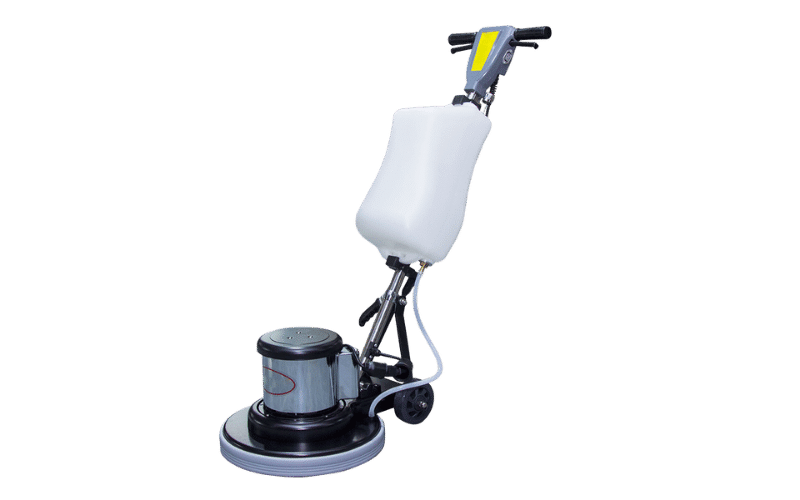
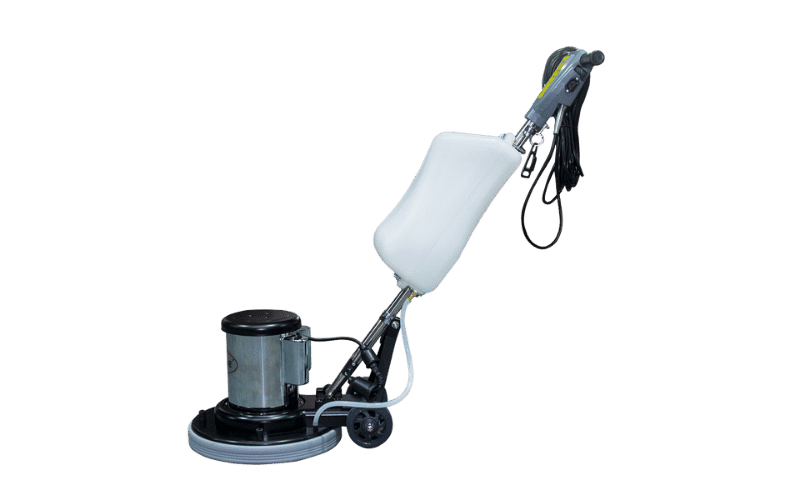
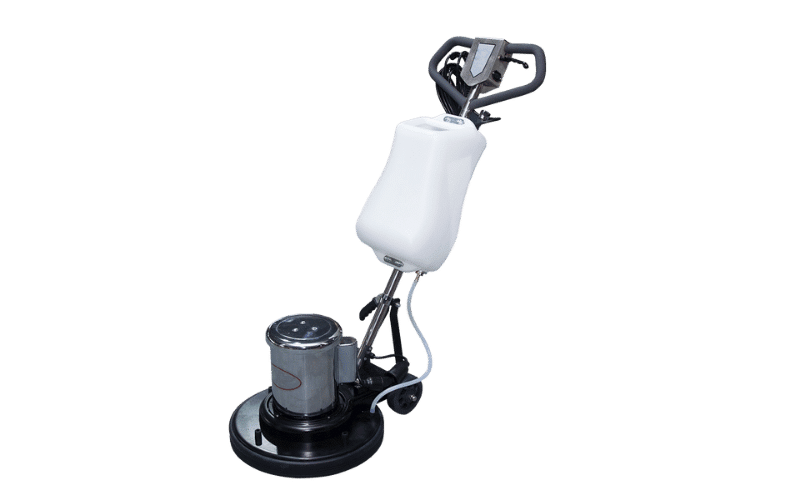
Manual tools — soft-bristle brooms, leaf blowers, mops, and squeegees — cover dry debris removal and light spot cleaning. They’re sufficient for single courts with light use but become a labor bottleneck once a facility manages more than one or two courts.
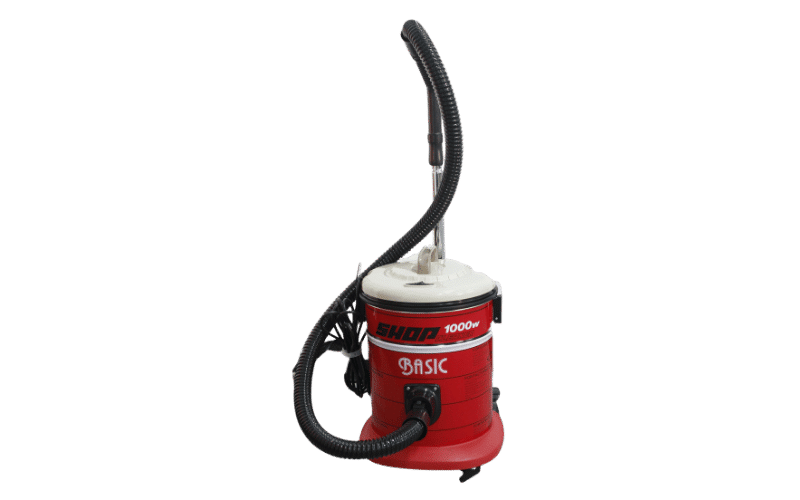
Commercial vacuums solve a specific problem: indoor dust that settles into corners without wind or rain to clear it. A vacuum cleaner designed for hard flooring removes this debris more thoroughly than a broom and without introducing moisture before a match.
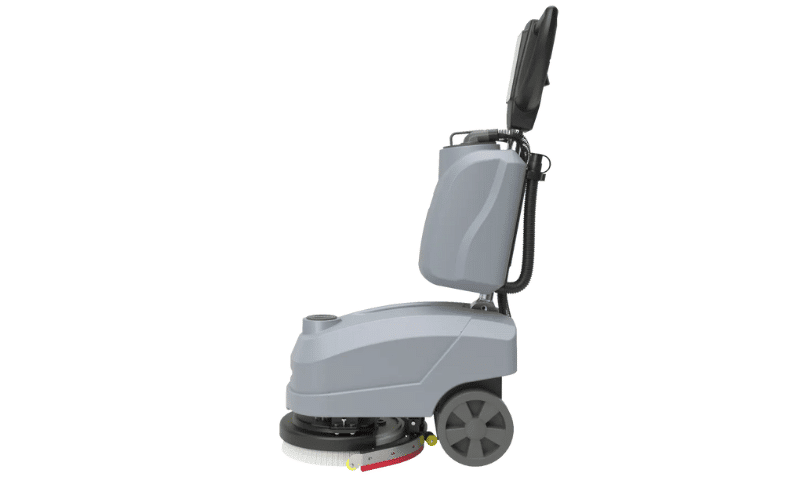
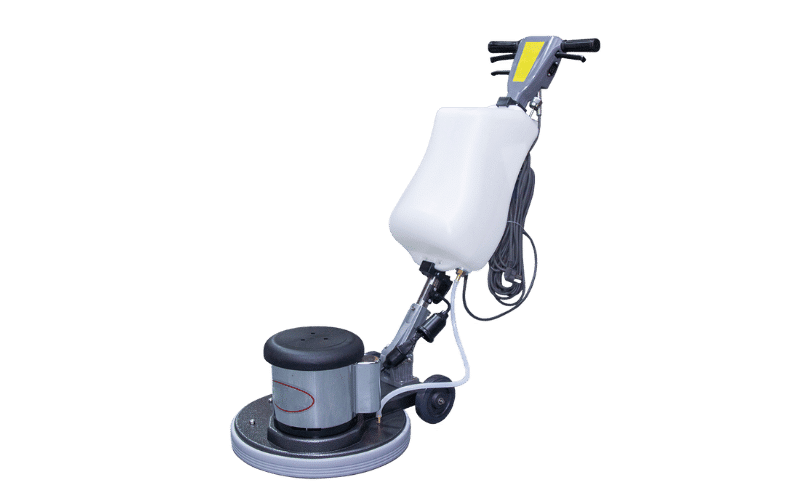
Walk-behind floor scrubbers are the most efficient option for facilities with three or more courts on a recurring cleaning schedule. A walk-behind floor scrubber fitted with soft-bristle brush heads covers a full court in a fraction of the time hand-scrubbing takes, while applying consistent brush pressure that reduces the risk of over-scrubbing one section and under-cleaning another.
Pressure washers deserve a caution of their own. High-PSI settings can strip acrylic coating and fade line paint, and they’re generally not recommended for routine cleaning. For the full picture of when (and when not) to use one, see can you pressure wash a pickleball court? Risks, alternatives, and best practices.
Equipment Comparison
|
Equipment Type |
Best For |
Coverage Speed |
Surface Risk |
|---|---|---|---|
|
Soft-bristle broom |
Single backyard courts, light debris |
Slow (manual) |
Low |
|
Leaf blower |
Outdoor courts, dry debris, pre-cleaning |
Fast (dry only) |
Minimal |
|
Commercial vacuum |
Indoor courts, fine dust and corners |
Moderate |
Minimal |
|
Walk-behind floor scrubber |
Multi-court facilities, recurring cleaning |
Fast (up to 2,600 m²/h) |
Low (with soft brushes) |
|
High-PSI pressure washer |
Not recommended for routine cleaning |
Fast |
Severe |
For a deeper comparison of specific models, including which scrubber or vacuum fits which facility layout, see our full guide to the best equipment for pickleball court cleaning.
How Often Should You Clean a Pickleball Court?
Cleaning frequency depends on traffic level and whether the court is indoors or outdoors.
|
Traffic Level |
Debris Removal |
Full Wash |
Inspection |
|---|---|---|---|
|
Light (backyard, occasional play) |
Weekly |
Monthly |
Quarterly |
|
Moderate (community or club courts) |
2–3x per week |
Every 2 weeks |
Monthly |
|
Heavy (commercial, multi-court facilities) |
Daily |
Weekly |
Monthly |
Outdoor courts exposed to trees, pollen, or heavy rain may need more frequent attention regardless of traffic level, since organic debris accelerates algae growth even on lightly used courts.
Common Pickleball Court Problems and How to Prevent Them
Algae thrives in shaded, damp areas and spreads quickly if left untreated. Prevent it by promptly removing standing water and cleaning shaded corners more often than the rest of the court.
Standing water creates slip hazards and accelerates coating damage, especially in colder climates where freeze-thaw cycles can force water into existing cracks. Use a soft squeegee after rinsing to push water toward drainage points.
Cracking often starts as a hairline fracture that widens with repeated moisture exposure. Quarterly inspections catch these early, before they require a contractor visit.
Faded lines result from sun exposure, foot traffic, and — most commonly — aggressive cleaning methods. Painted lines are typically a thinner layer than the surrounding surface, making them more vulnerable to harsh chemicals and high-pressure water.
Slippery residue usually comes from incomplete rinsing after a wash. Leftover cleaner film affects both traction and ball bounce, so a thorough rinse is as important as the scrub itself.
Seasonal Pickleball Court Maintenance Guide
|
Season |
Key Tasks |
|---|---|
|
Spring |
Deep clean after winter debris, inspect for frost-related cracking, check line paint condition |
|
Summer |
Increase cleaning frequency for algae and pollen, monitor for UV-related fading |
|
Fall |
Clear leaves promptly, inspect drainage before winter weather arrives |
|
Winter |
Remove standing water before freezing, reduce wet cleaning in freezing temperatures, inspect for ice-related damage |
Indoor courts face fewer seasonal swings but still benefit from a quarterly deep clean to manage dust accumulation that builds up gradually over months of play.
What NOT to Do When Maintaining a Pickleball Court
A few habits cause more damage than the dirt they’re meant to remove:
- Don’t use bleach, ammonia, or heavy-duty degreasers. These break down the acrylic binder, leading to discoloration and a chalky residue over time.
- Don’t scrub with stiff or wire bristles. Abrasive brushes scratch the coating, creating rough patches that trap dirt and algae.
- Don’t pressure wash at high PSI for routine cleaning. Settings above 1,500–2,000 PSI can strip coating layers and fade line paint. Reserve pressure washing for pre-resurfacing prep or manufacturer-approved cases only.
- Don’t skip dry time. Returning to play on a damp court accelerates wear and creates a slip hazard.
- Don’t ignore small cracks or fading. Minor issues are quick fixes. Left alone, they often require a full resurfacing project.
Pickleball Court Maintenance Checklist
|
Task |
Frequency |
Tools |
|---|---|---|
|
Sweep or blow debris |
Weekly (or more for outdoor courts) |
Soft-bristle broom, leaf blower |
|
Full wash with pH-neutral cleaner |
Monthly (weekly for heavy-traffic facilities) |
pH-neutral cleaner, soft brush or walk-behind scrubber |
|
Indoor dust removal |
Weekly |
Commercial vacuum |
|
Surface inspection |
Monthly to quarterly |
Visual check, no tools required |
|
Seasonal deep clean |
Each season change |
Full cleaning kit |
|
Line paint check |
Quarterly |
Visual check |
Frequently Asked Questions
How often should a pickleball court be cleaned?
Light-traffic courts need debris removal weekly and a full wash monthly. Heavy-traffic or commercial facilities benefit from daily debris removal and weekly washing, since foot traffic and outdoor exposure accelerate dirt and algae buildup.
What is the best cleaner for a pickleball court?
A pH-neutral cleaner protects the acrylic coating while still lifting dirt, algae, and grime effectively. Harsh products like bleach or ammonia-based cleaners break down the coating’s binder and cause discoloration over time.
Can you pressure wash a pickleball court?
Technically yes, but it’s not recommended for routine cleaning. High-PSI settings can strip acrylic coatings and fade line paint. For a full breakdown of safe PSI ranges and alternatives, see can you pressure wash a pickleball court? Risks, alternatives, and best practices.
What equipment do I need to maintain a pickleball court?
Single courts typically need a soft-bristle broom, a leaf blower, and a pH-neutral cleaner. Facilities with three or more courts benefit from a walk-behind floor scrubber, and indoor facilities often add a commercial vacuum for dust control between washes.
How much does pickleball court maintenance cost?
Costs vary based on facility size and equipment needs. Manual tools for a single court represent a minimal investment, while multi-court facilities investing in a walk-behind scrubber typically recover that cost through reduced labor hours within the first season.
What causes a pickleball court to crack?
Cracking is usually caused by moisture seeping into existing seams or hairline fractures, which then widens through freeze-thaw cycles or continued water exposure. Routine inspection and prompt drainage of standing water are the most effective prevention methods.
Keep Your Court Game-Ready Year-Round
Pickleball court maintenance isn’t about chasing perfection after every match. It’s about consistency: clear debris before it scratches the surface, use products that protect rather than strip the coating, and catch small problems—a hairline crack, a faded line, a patch of algae—before they turn into a resurfacing bill.
The approach scales with facility size. A backyard court owner might only need a broom, a hose, and a monthly wash. A ten-court commercial facility needs a recurring schedule backed by equipment built for repetition, like a walk-behind floor scrubber or a commercial vacuum for indoor dust control. Either way, the surface rewards the same habits: gentle tools, pH-neutral products, and patience with dry time.
For deeper guidance on any piece of this process, explore our companion articles on how to clean a pickleball court without damaging the surface, the best equipment for pickleball court cleaning, and the risks and best practices around pressure washing.