







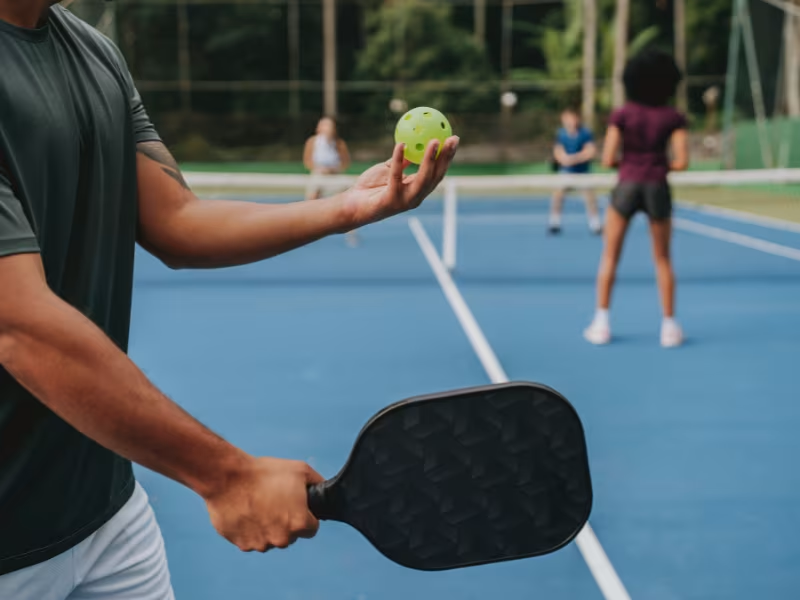
To clean a pickleball court without damaging the acrylic coating, start by clearing debris, then spot-test a pH-neutral cleaner before applying it diluted across the surface. Scrub gently with a soft-bristle brush or low-pressure machine, rinse thoroughly, and let the court dry completely before players return. Avoid bleach, ammonia, and pressure washing.
Most pickleball court damage doesn’t come from paddles, shoes, or even weather. It comes from cleaning.
A quick scrub with the wrong brush, a splash of undiluted bleach, or a pressure washer set too high can strip away the acrylic coating that keeps a court playable for years. Once that coating is compromised, the surface loses its color consistency, its slip resistance, and eventually its structural integrity — all from a routine maintenance task gone wrong.
This guide walks through exactly how to clean a pickleball court without damaging the surface, covering the cleaning products to use (and avoid), the tools that protect acrylic coatings, and a step-by-step process that works for backyard courts, community parks, and commercial facilities alike. Whether you’re maintaining a single home court or managing a multi-court complex, the same core principles apply: go gentle, go pH-neutral, and never rush the dry time. For the full maintenance picture beyond cleaning technique, see our pickleball court maintenance guide.
Why Do Pickleball Courts Get Damaged During Cleaning?
Pickleball courts look tough, but the surface is more delicate than it appears. The acrylic coating that gives courts their color and texture is a thin, engineered layer sitting on top of asphalt or concrete. Treat it like a driveway and you’ll likely shorten its lifespan by years.
How Acrylic Court Coatings Work
Installers apply acrylic sport surfacing in multiple thin layers over a concrete or asphalt base. Each layer bonds to the one below it, creating a textured, UV-resistant surface designed for consistent ball bounce and player traction. Because the coating is thin by design, it’s vulnerable to abrasion from stiff brushes, aggressive chemicals, and high-pressure water. Once the top layer wears through, the color fades unevenly and the surface can become slippery or prone to cracking.
What Are the Biggest Cleaning Mistakes That Damage a Pickleball Court?
Most surface damage traces back to one of these four habits:
- Using harsh chemicals. Bleach, ammonia, and strong degreasers break down the acrylic binder over time, leading to discoloration and a chalky residue.
- Scrubbing with stiff bristles or metal tools. Wire brushes and abrasive pads scratch the coating, creating rough patches that trap dirt and algae.
- Pressure washing at high settings. Water pressure above what the coating can tolerate can peel back layers, especially around seams and line markings. For a full breakdown of safe PSI ranges and when pressure washing is appropriate, see the risks of pressure washing a pickleball court.
- Skipping the dry time. Returning to play on a damp court accelerates wear and can make the surface dangerously slick.
How Do You Choose a Safe Cleaner for a Pickleball Court?
The right cleaner can mean the difference between a court that lasts a decade and one that needs resurfacing in year three. Choose a pH-neutral cleaner if you want maximum protection for the acrylic coating without sacrificing cleaning power.
Why pH-Neutral Cleaners Work Best
Acrylic coatings resist weather and UV exposure, but they’re sensitive to chemical extremes. Cleaners with a pH close to 7 (neutral) lift dirt, algae, and grime without breaking down the acrylic binder. Highly acidic or alkaline products, by contrast, react with the coating itself — not just the dirt sitting on top of it. If you’re cleaning a court used for tournaments or daily play, a pH-neutral cleaner also protects the painted line markings, which are typically more delicate than the surrounding surface.
What Cleaners Should You Avoid on a Pickleball Court?
Skip anything labeled as a bleach-based cleaner, ammonia solution, or heavy-duty degreaser. These products are designed for tougher industrial surfaces and will accelerate fading and cracking on acrylic sport coatings. Pool chlorine tablets, sometimes used as an algae shortcut, fall into this same risk category.
Safe vs. Avoid Comparison Table
|
Cleaner Type |
Safe for Acrylic Courts? |
Why |
|---|---|---|
|
pH-neutral court cleaner |
Yes |
Lifts dirt and grime without reacting with the coating |
|
Diluted dish soap (mild, no bleach) |
Yes, for light cleaning |
Gentle enough for routine maintenance |
|
Bleach |
No |
Breaks down acrylic binder, causes discoloration |
|
Ammonia-based cleaners |
No |
Strips UV protection and softens the coating |
|
Pool chlorine tablets |
No |
Too harsh for sustained surface contact |
|
Heavy-duty degreasers |
No |
Formulated for concrete or industrial floors, not acrylic |
What Tools Protect a Pickleball Court Surface While Cleaning?
The right cleaner only gets you halfway there. Tools matter just as much, since abrasive equipment can undo the benefits of even the gentlest cleaning solution.
Manual Tools for Small or Backyard Courts
For single or backyard courts, a soft-bristle push broom, a non-abrasive sponge mop, and a garden hose with a low-pressure nozzle are typically all that’s needed. Avoid anything labeled “heavy-duty” or “wire” — these terms are a signal that the bristles are too stiff for an acrylic surface.
Machine Cleaning for Larger Courts
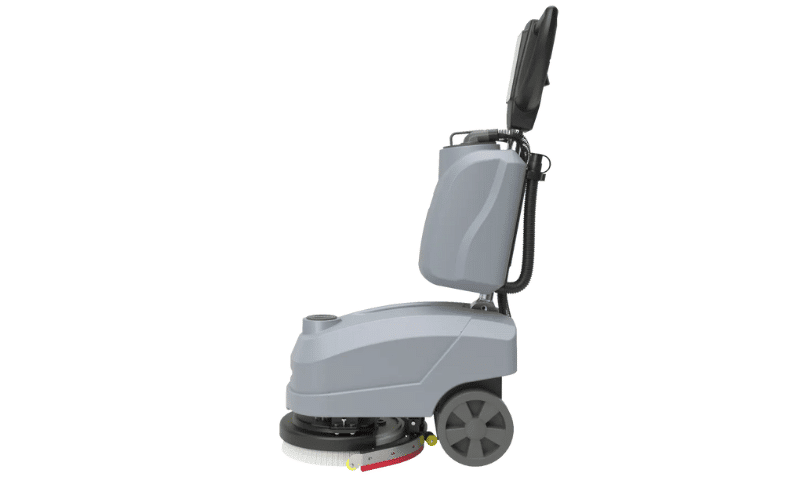
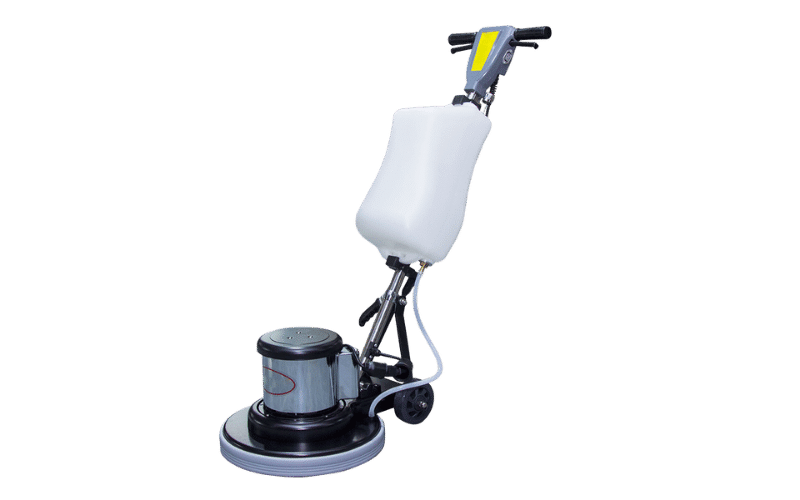
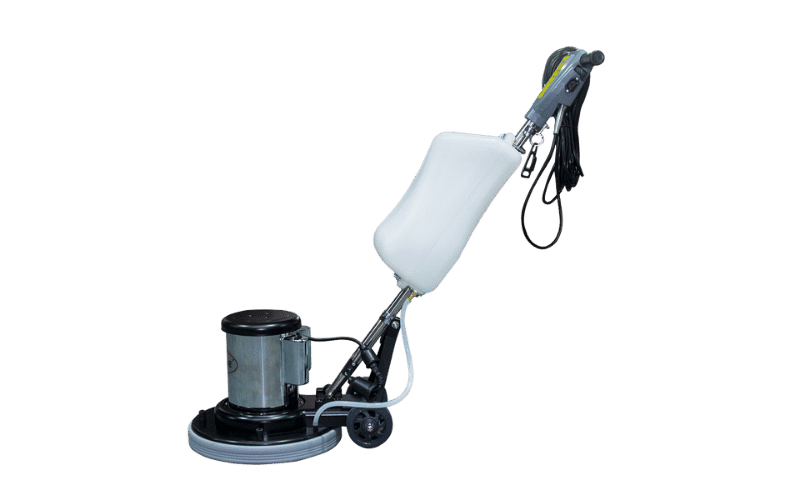
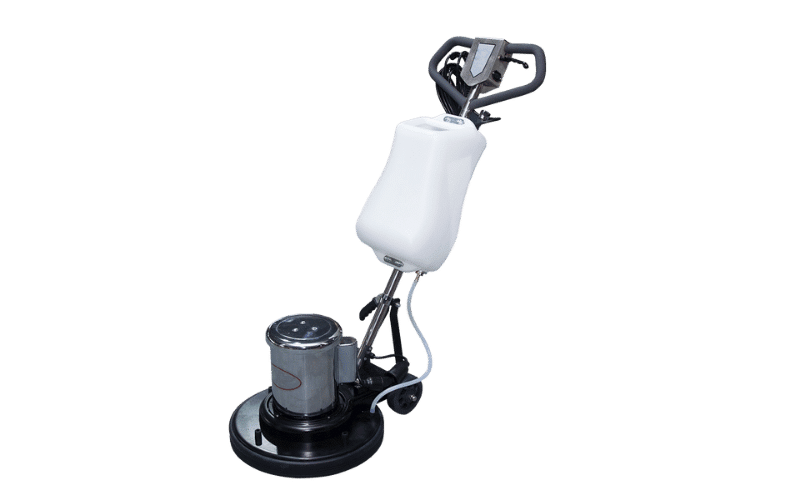
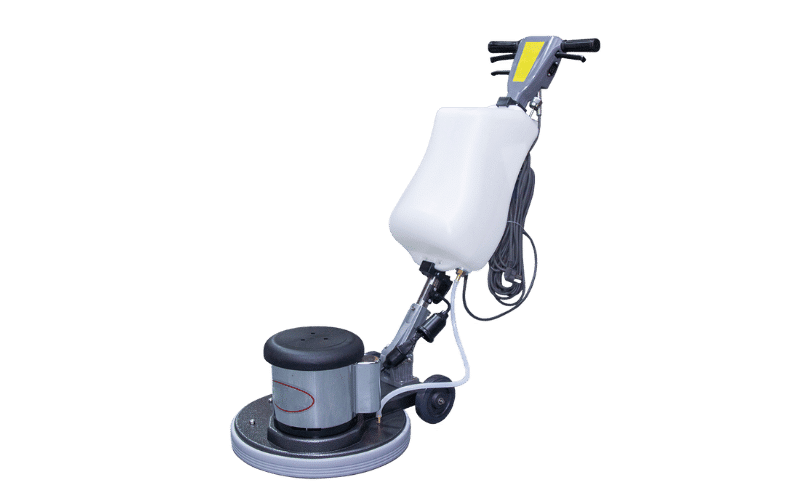
Facilities managing multiple courts — parks departments, clubs, and sports complexes — often turn to machine cleaning to save time without sacrificing surface safety. A walk-behind floor scrubber fitted with soft-bristle brush heads can cover a full court in a fraction of the time it takes to scrub by hand, while keeping brush pressure consistent and controlled. This matters because uneven hand-scrubbing is one of the more common causes of patchy wear on high-traffic courts. When comparing machines, look for adjustable brush pressure and soft-bristle options rather than general-purpose industrial brushes, which are built for concrete and tile rather than coated acrylic.
How to Clean a Pickleball Court Step by Step (Damage-Free Method)
Once you’ve chosen a safe cleaner and the right tools, the cleaning process itself is straightforward. Follow these six steps in order to protect the coating while still getting a thorough clean.
Step 1: Clear Leaves, Dust, and Grit
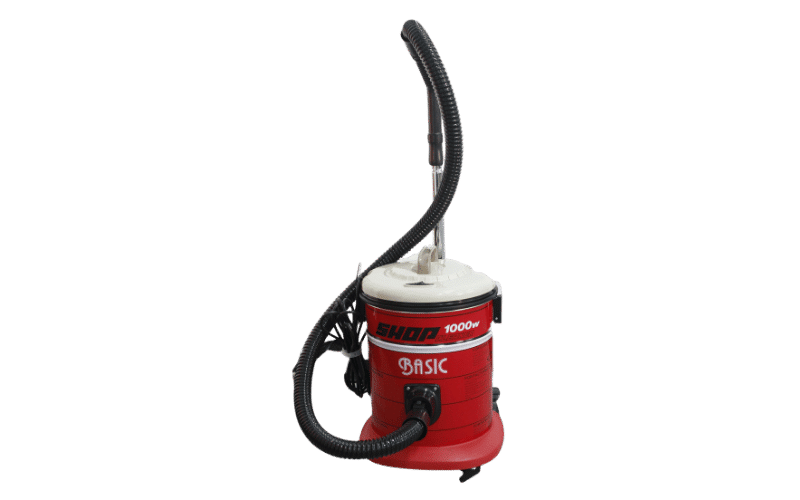
Before any liquid touches the court, remove loose debris. Leaves, dirt, and grit left on the surface during wet cleaning can act like sandpaper underfoot of a broom or scrubber. For outdoor courts, a soft push broom works well. For indoor or covered courts, a commercial vacuum designed for hard flooring removes fine dust and grit more thoroughly than a broom alone, which reduces the risk of scratching during the scrubbing stage.
Step 2: Spot-Test Your Cleaner
Even pH-neutral cleaners can vary by formulation and by how old the court coating is. Apply a small amount to an inconspicuous corner, let it sit for the recommended contact time, and check for any discoloration or texture change before treating the full surface.
Step 3: Apply a Diluted pH-Neutral Cleaner
Follow the manufacturer’s dilution guidelines — concentrated cleaner isn’t more effective, it’s just more likely to leave residue. Apply evenly across the court using a sprayer or mop, working in manageable sections rather than covering the entire surface at once.
Step 4: Scrub Gently
Using a soft-bristle brush or a walk-behind scrubber set to low brush pressure, work the cleaner into the surface with light, even strokes. Focus extra attention on shaded areas and corners where algae and grime tend to build up, but resist the urge to scrub harder in these spots — let the cleaner do the work instead of the bristles.
Step 5: Rinse and Remove Standing Water
Rinse thoroughly with clean water at low pressure to remove all cleaner residue. Leftover residue can leave a film that affects ball bounce and player traction. Use a soft squeegee to push standing water toward drainage points, particularly on outdoor courts where puddles can accelerate algae regrowth.
Step 6: Let the Court Dry Fully Before Play
Depending on humidity and sun exposure, full drying typically takes a few hours. Keep players off the surface until it’s completely dry — a damp acrylic court is noticeably more slippery and wears faster under foot traffic and quick directional changes.
How Do You Remove Common Stains Without Harming the Coating?
Stains require a slightly different approach than general cleaning, since the right method depends on what’s causing the mark.
|
Stain Type |
Recommended Method |
|---|---|
|
Algae |
pH-neutral cleaner with a soft brush; treat promptly to prevent regrowth |
|
Tree sap |
Isopropyl alcohol applied with a soft cloth, followed by a water rinse |
|
Shoe scuffs |
Tennis ball or soft eraser pad rubbed gently over the mark |
|
Bird droppings |
Diluted pH-neutral cleaner; avoid letting droppings sit, as they can etch the coating |
|
Oil or grease |
Mild dish soap solution, gently worked in and rinsed immediately |
When Should You Call a Court Surfacing Contractor?
Some marks go beyond surface-level cleaning. If a stain persists after multiple gentle treatments, if you notice cracking, flaking, or color loss beneath the stain, or if large sections of the coating appear worn through, it’s time to bring in a professional court surfacing contractor. Attempting to remove deep-set stains with stronger chemicals or abrasive tools at that point usually causes more damage than the stain itself.
Clean Smarter, Not Harder
A pickleball court that’s cleaned correctly can outlast one that’s cleaned aggressively but infrequently. The formula is simple: gentle tools, pH-neutral products, and patience with dry time. Skip the shortcuts that promise a faster clean, since most of them — bleach, pressure washers, stiff brushes — are the same shortcuts that shorten a court’s lifespan.
For a broader maintenance schedule covering more than cleaning, check out our complete pickleball court maintenance guide. And if you’re deciding which tools are worth the investment for your facility, our guide to the best equipment for pickleball court cleaning breaks down options for courts of every size.
Frequently Asked Questions
What is the best cleaner for a pickleball court?
A pH-neutral cleaner formulated for acrylic sport surfaces is the best option. It removes dirt, algae, and grime without breaking down the coating’s binder. Diluted mild dish soap can work for light, routine cleaning, but dedicated court cleaners are better suited for deeper cleans.
Can you use bleach on a pickleball court?
No. Bleach is too harsh for acrylic court coatings and will cause discoloration, fading, and premature breakdown of the surface over time. Stick to pH-neutral cleaners designed specifically for sport surfacing instead.
How do you remove algae from a pickleball court?
Apply a diluted pH-neutral cleaner to the affected area and scrub gently with a soft-bristle brush, then rinse thoroughly. Treating algae promptly prevents it from spreading and reduces the chance of it staining the coating permanently.
Can you use a floor scrubber on an outdoor pickleball court?
Yes, as long as the scrubber is fitted with soft-bristle brush heads and the pressure setting is kept low. A walk-behind floor scrubber can speed up cleaning on larger courts while still protecting the acrylic coating, provided it isn’t set up with abrasive brushes meant for concrete or tile.
How long should a pickleball court dry after cleaning?
Most courts need a few hours to dry fully, depending on humidity, temperature, and sun exposure. Keep players off the surface until it’s completely dry, since a damp court is more slippery and wears faster under active play.
How do you remove black scuff marks from a pickleball court?
Gently rub the mark with a tennis ball or a soft eraser pad, then wipe the area clean with a damp cloth. Avoid abrasive pads or stiff brushes, which can scratch the coating while trying to lift the scuff.