







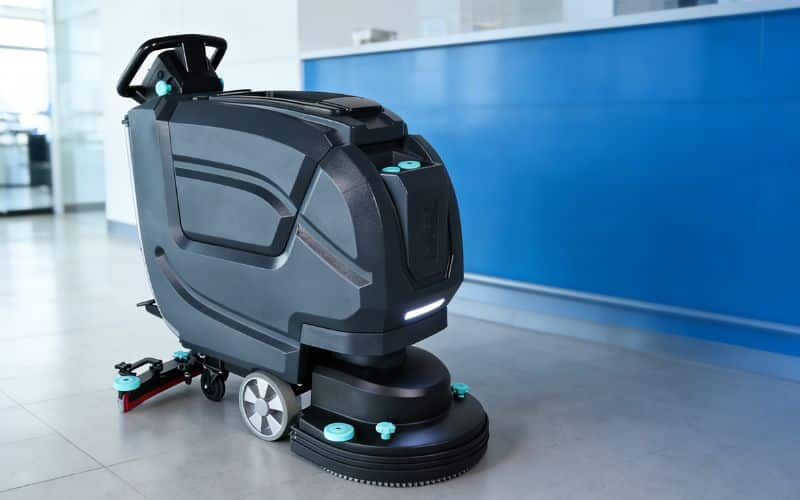
Walk-behind floor scrubbers are an essential piece of equipment in many industrial and commercial settings, and are used to wash, scrub, and dry floors efficiently in a single pass. The cost of a walk-behind floor scrubber can vary greatly depending on several factors, including the type of scrubber, its size and cleaning path, and its power source and features. For facility managers and business owners, understanding these cost variances is crucial for budgeting and selecting the right machine for their specific hygiene standards and floor surface area.
The investment in a floor scrubber is often justified by the significant labor savings and improved cleaning results compared to traditional mopping. However, the initial price tag can range from a few thousand dollars for a compact unit to substantially more for a heavy-duty industrial model. By examining the key drivers of cost—such as tank capacity, battery technology, and brush pressure capabilities—buyers can make an informed decision that balances upfront expense with long-term operational value.
How Much to Purchase a Walk-Behind Floor Scrubber?
The first and most basic factor affecting the cost of a walk-behind floor scrubber is the machine configuration and its intended application. There are several types of walk-behind scrubbers, each with unique features and capabilities designed for specific environments. The most common categories include:
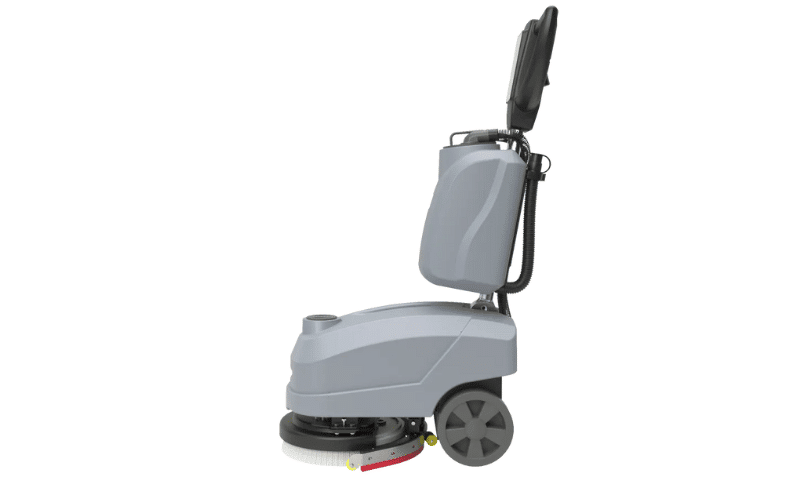
- Compact/Micro Scrubbers: The smallest type of walk-behind scrubbers, designed for tight spaces such as restrooms, kitchens, and small retail aisles. They often feature a cleaning path of 14 to 17 inches and are highly maneuverable. Prices for these compact units typically range from $1,500 to $4,500, depending on whether they are cord-electric or battery-operated.
- Small to Mid-Size Walk-Behind Scrubbers: These are the workhorses for many schools, hospitals, and grocery stores, typically featuring a cleaning path between 17 and 24 inches wide. They offer a balance of tank capacity and maneuverability. These units are almost exclusively battery-powered and cost between $4,500 and $9,000.
- Large Walk-Behind Scrubbers: Designed for larger open areas such as warehouses or gymnasiums, these machines feature cleaning paths ranging from 26 to 34 inches wide. They have large solution and recovery tanks to minimize dump-and-fill cycles. Prices for these robust machines generally range from $9,000 to $15,000.
- Industrial Walk-Behind Scrubbers: These are heavy-duty machines built to withstand harsh environments and scrub aggressive debris. They often feature cylindrical brushes that sweep and scrub simultaneously. Industrial models can cost anywhere from $12,000 to $20,000 or more, depending on the specifications.
Another factor that significantly affects the cost of a walk-behind floor scrubber is its power source and battery technology. Cord-electric models are the most affordable option but are limited by the length of the power cord and the availability of outlets. A standard cord-electric scrubber might cost around $2,000 to $4,000. In contrast, battery-powered models offer greater freedom but come with a higher price tag. Machines equipped with standard lead-acid batteries are initially more affordable, whereas those equipped with maintenance-free AGM or advanced Lithium-Ion batteries command a premium. A lithium-ion upgrade alone can add $1,000 to $3,000 to the final purchase price but offers longer runtimes and faster charging.
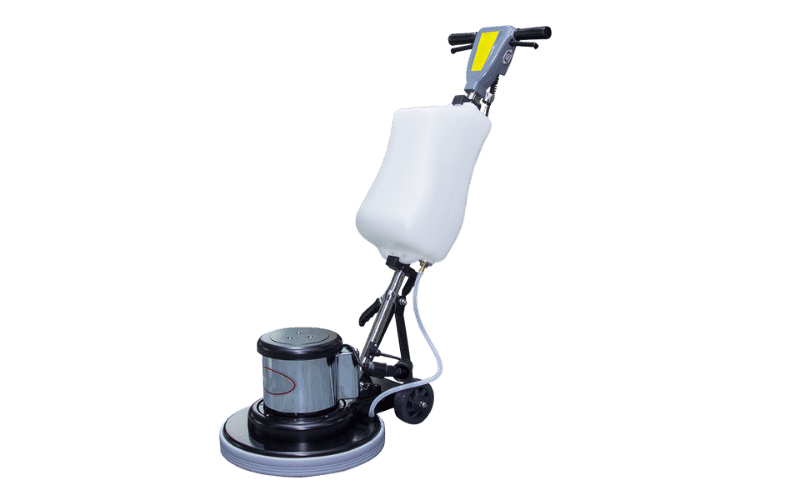
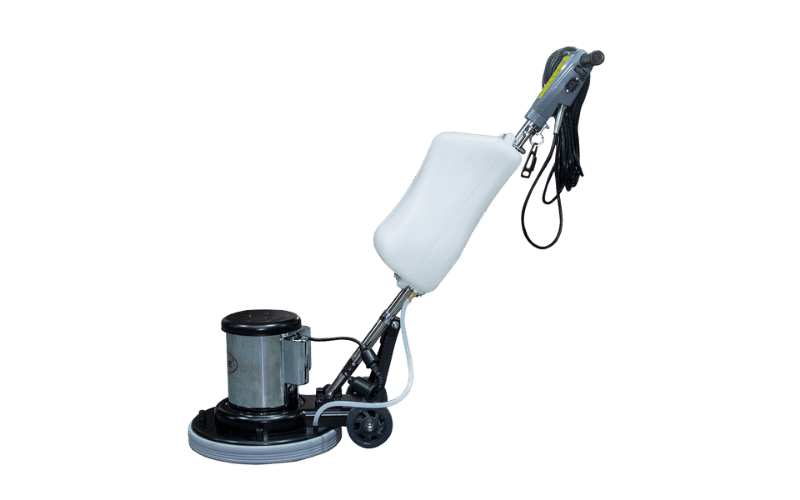
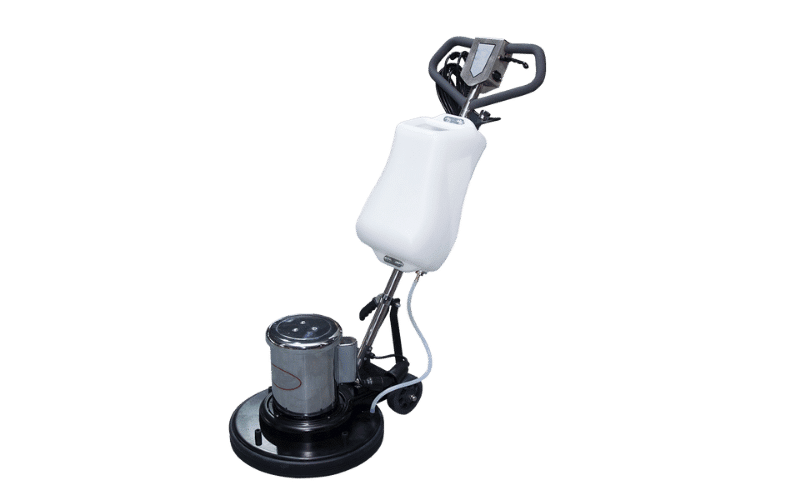
The cleaning mechanism—specifically disc versus cylindrical scrub heads—also influences the price. Disc scrubbers, which use flat round pads or brushes, are the most common and cost-effective option, suitable for most smooth floors. Cylindrical scrubbers, which use roller brushes to sweep up small debris while scrubbing, are more complex and expensive to manufacture. Consequently, opting for a cylindrical deck can increase the purchase price by 10% to 20% compared to a similarly sized disc model. This premium is often worth it for facilities with grouted tile or industrial floors with loose debris, as it eliminates the need for pre-sweeping.
Additional features and advanced technologies can further escalate the cost of a walk-behind scrubber. For example, machines equipped with chemical metering systems that automatically mix water and detergent at precise ratios will cost more than standard gravity-feed systems. Similarly, scrubbers featuring traction drive (self-propulsion) will be more expensive than “pad-assist” models, where the rotation of the brush helps pull the machine forward. Advanced telemetry systems that track fleet usage, location, and maintenance needs are becoming common on high-end models, adding value but also increasing the upfront investment.
In conclusion, the cost of purchasing a walk-behind floor scrubber can vary greatly depending on several factors, including the machine type, cleaning path width, battery technology, and scrub deck configuration. A basic micro-scrubber can be purchased for as little as $1,500, while a fully equipped industrial unit with lithium-ion batteries and cylindrical brushes can exceed $18,000. It is important to consider your specific facility needs, floor type, and budget when purchasing a scrubber. Carefully evaluating the total cost of ownership—including maintenance and battery replacement costs—rather than just the sticker price will help you find the best option for your business.
How Much to Rent a Walk-Behind Floor Scrubber?
Floor scrubber rental costs can vary depending on several factors, including the type of scrubber, the rental period, and the location. Generally, rental prices are determined by the machine’s size, the duration of the contract, and local market demand. For businesses that only need deep cleaning periodically or need a replacement machine while theirs is being serviced, renting offers a flexible, capital-efficient solution without the commitment of ownership.
The type of walk-behind scrubber you choose to rent will significantly affect the daily or weekly rate. For example, renting a small 17-inch electric scrubber will typically be less expensive than renting a large 32-inch industrial battery-powered unit. Rental rates for smaller machines might start at $100 to $150 per day, while larger, more powerful walk-behinds can command $200 to $350 per day. The specific features, such as traction drive or cylindrical scrubbing capabilities, may also push the rental price toward the higher end of the spectrum.
The rental period also affects the cost, as longer periods typically result in a lower daily cost per day. Most rental companies offer tiered pricing structures for daily, weekly, and monthly rentals. While a daily rate might be $200, a weekly rate could be around $600 to $800, effectively lowering the daily cost significantly. Monthly rentals offer the best value, often ranging from $1,500 to $2,500, which is ideal for seasonal cleaning projects or extended facility maintenance tasks.
The location of the rental company also affects the cost of renting a floor scrubber. Generally, rental costs will be higher in larger cities and urban areas due to higher demand, storage costs, and operational overhead. On the other hand, rental costs may be lower in more rural areas, though the availability of specific models might be more limited. Delivery and pickup fees are also standard in the industry and can vary based on the distance from the rental depot to your facility, often adding $100 to $200 to the total bill.
On average, walk-behind floor scrubber rental costs can range from $600 to $1,200 per week for a standard mid-size battery-powered unit. However, rental costs can vary greatly depending on the specific model, rental duration, and geographic location. It is always best to check with local equipment rental companies or janitorial supply distributors for specific pricing information. Requesting quotes from multiple providers ensures you get the best deal possible and that the machine’s availability aligns with your project timeline.
It’s important to note that many rental agreements include stipulations regarding the condition of the machine upon return. Renters are typically expected to return the machine clean and with empty tanks. Additionally, rental companies often require a deposit and a credit check of the renter, and may also require proof of insurance to cover potential damage to the equipment. It’s also important to remember that rental rates do not include the cost of cleaning chemicals or replacement pads, which must be factored into the overall cost of renting a floor scrubber.