


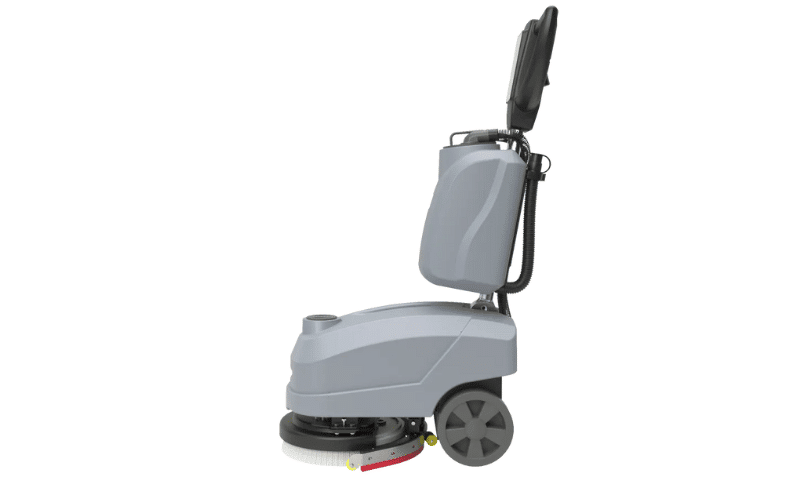

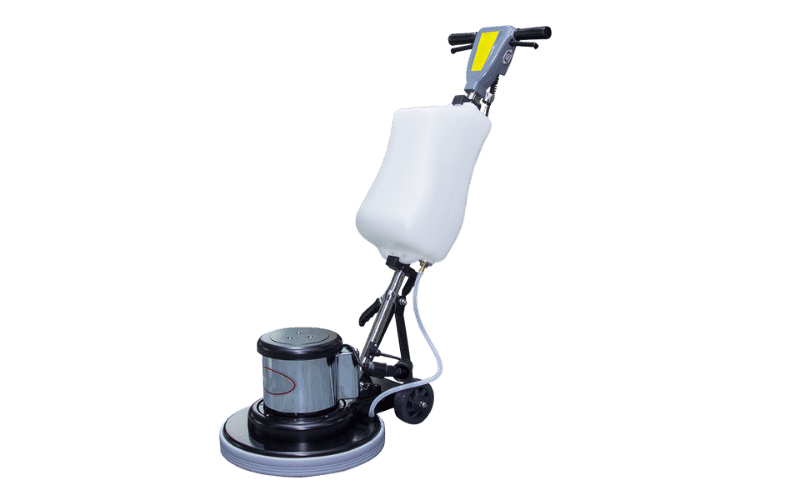
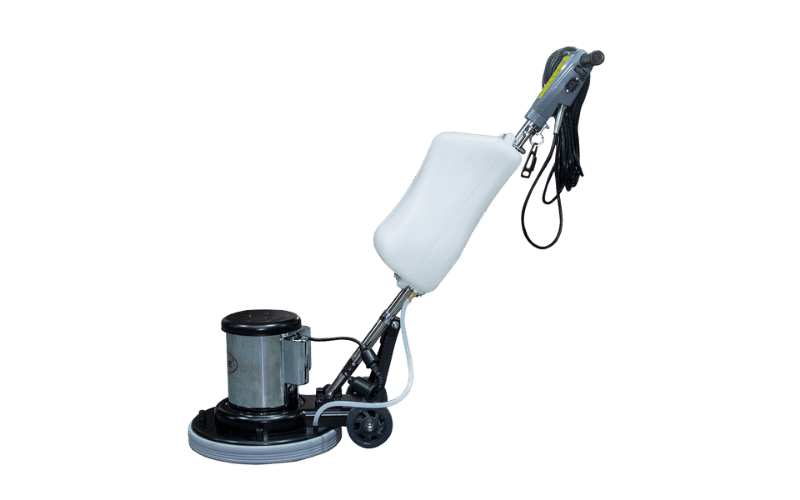
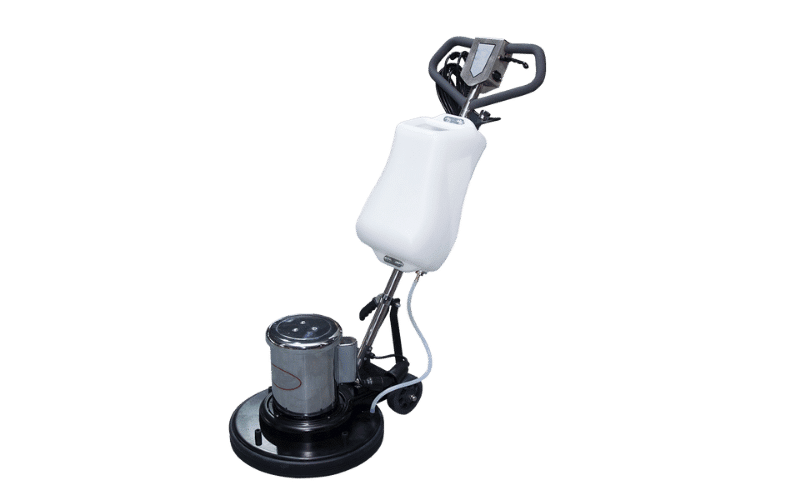
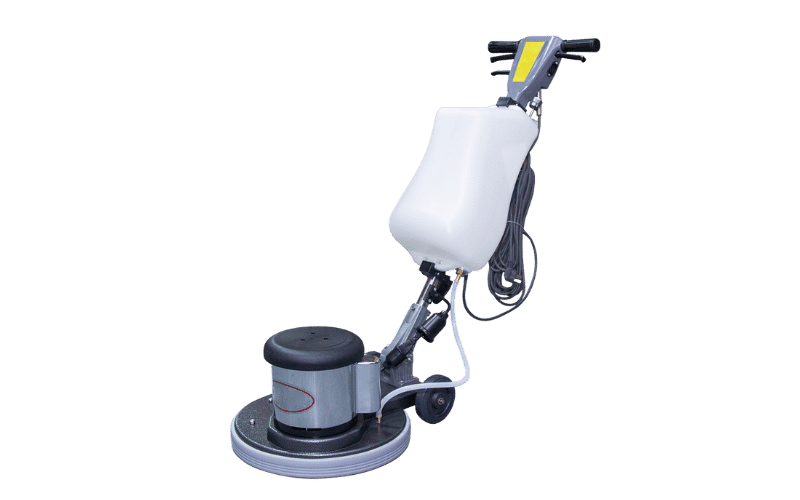
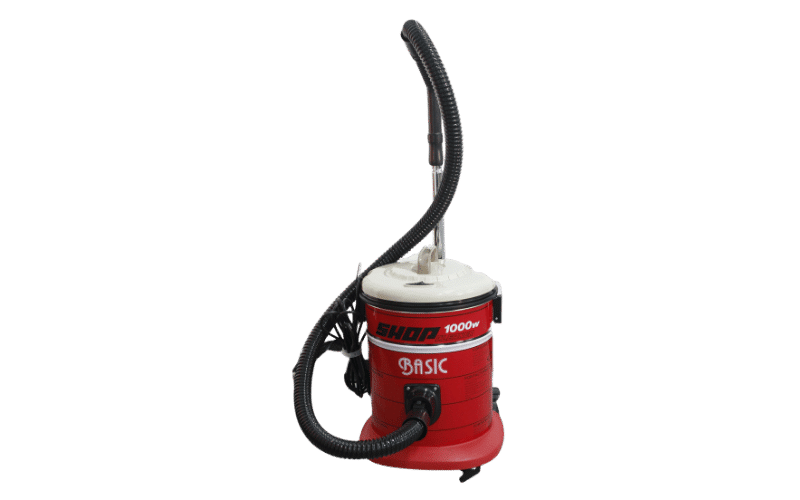

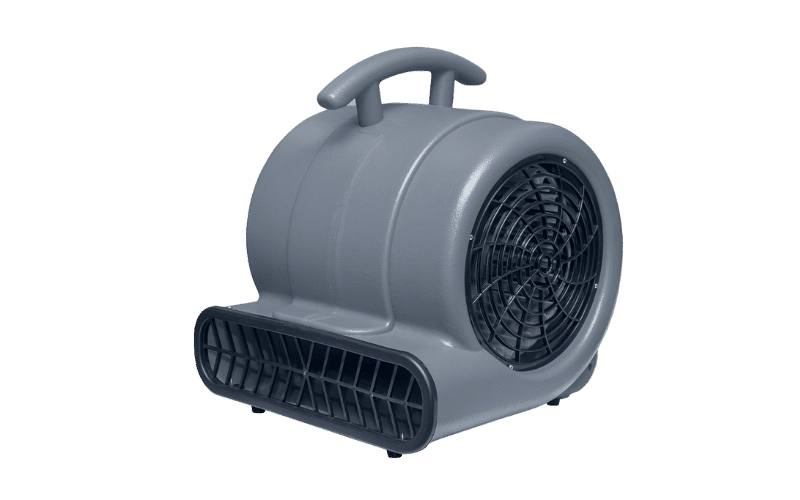


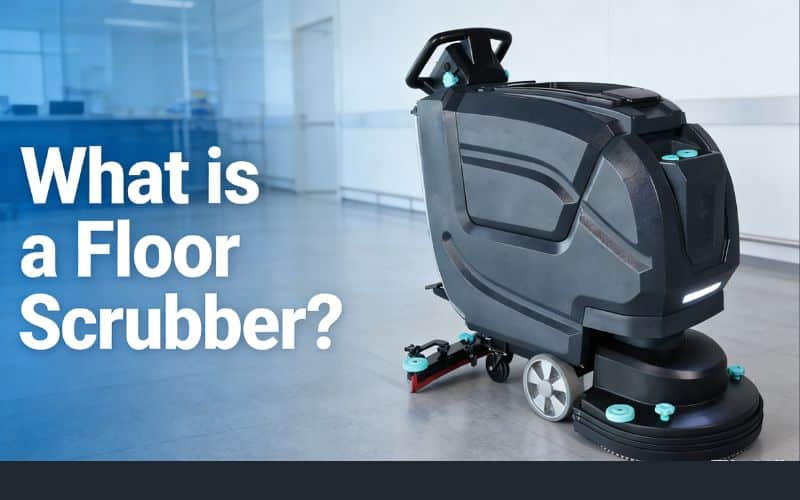
A floor scrubber is an indispensable tool in retail stores, hospitals, warehouses, schools, and countless other settings where maintaining clean, safe floors is a top priority. These machines allow facilities to clean large surface areas efficiently, moving beyond the limitations of traditional mops and buckets to achieve a higher standard of hygiene. They are essential for transporting cleaning solutions, scrubbing away dirt, and recovering wastewater in a single, seamless process.
Floor scrubbers come in many different styles and sizes, making it tough to choose one that meets your specific needs. From compact walk-behind units for tight spaces to large ride-on models for expansive warehouses, the right machine can drastically reduce labor time and improve cleaning results. This blog covers all the basics of floor scrubbers in detail, delving into their key parts, how they work, and the main types available to help you find one that is perfect for your application.
What is a Floor Scrubber?
A floor scrubber, often called an auto scrubber or scrubber-dryer, is a powerful cleaning machine designed to wash hard floors. Powered by either batteries or an electrical cord, it features a system of rotating brushes or pads that scrub the floor with a cleaning solution. Unlike a simple floor polisher or buffer, a floor scrubber completes the entire cleaning process: it dispenses solution, scrubs the surface, and then vacuums up the dirty water, leaving the floor clean and almost immediately dry.
These machines are built to handle cleaning tasks that are too large or too demanding for manual methods. By automating the most labor-intensive parts of floor care, they increase productivity, provide a more consistent, hygienic clean, and enhance safety by minimizing slip-and-fall hazards associated with wet floors. You can find floor scrubbers in a number of shapes and sizes to match your specific industry needs, from small commercial spaces to large industrial facilities.
Parts of a Floor Scrubber
Any type of floor scrubber has the following key components:
Scrubbing Deck
This vital component is the heart of the scrubber’s cleaning action. Housed at the front or center of the machine, the scrub deck contains one or more rotating brushes or pads that apply friction to the floor. The pressure and rotation of these elements, combined with the cleaning solution, work to break down and lift dirt, grime, and stains from the surface.
Solution Tank
This is a dedicated reservoir that holds the clean water and cleaning chemical mixture. Before the operation, this tank is filled with a precise dilution of cleaning solution appropriate for the floor type and soil level. From here, the solution is fed down to the scrub deck and dispensed evenly onto the floor ahead of the brushes.
Recovery Tank
This tank collects all the dirty water and grime vacuumed up from the floor. As the machine scrubs, a powerful vacuum system sucks the wastewater from the squeegee assembly at the rear and deposits it into the recovery tank. This separation of clean and dirty water is crucial for hygienic cleaning and prevents the redistribution of dirt.
Squeegee Assembly
This component is fixed to the back of the machine. It consists of a set of durable rubber or urethane blades that trail behind the scrub deck. The squeegee assembly creates a seal with the floor, allowing the vacuum system to efficiently lift all the dirty solution, leaving a clean and nearly dry path behind the machine.
Power Source
The power source for a floor scrubber is typically either a set of deep-cycle batteries or a long electrical cord. Battery-powered models offer complete freedom of movement and are ideal for large or obstructed areas. Corded-electric models provide constant, uninterrupted runtime, making them suitable for spaces where you can work without the cord becoming a hindrance.
Control Panel
This is the operator’s interface, where all machine functions are managed. The control panel typically includes a key switch or power button, controls for dispensing the solution, engaging the scrub brushes, and activating the vacuum. On more advanced models, it may also feature settings for brush pressure, solution flow rate, and diagnostic information.
Working Principles of a Floor Scrubber
The following is a brief overview of the working principles of a floor scrubber:
Solution Dispensing
The cleaning process begins when the operator activates the solution flow from the control panel. A system of valves and tubes releases the cleaning solution from the solution tank onto the floor, directly in the path of the scrub brushes. The flow rate can often be adjusted to match the level of soiling on the floor. An even, controlled distribution of the solution is critical to ensuring the brushes have enough liquid to effectively scrub without oversaturating the floor. This targeted application ensures the cleaning chemical is used efficiently and only where it’s needed.
Scrubbing Mechanism
Once the solution is on the floor, the scrubbing mechanism is engaged. The scrub deck, containing either disc or cylindrical brushes, is lowered onto the floor surface. A powerful motor drives the brushes to rotate at high speeds. The combination of the chemical solution breaking down the dirt, the downward pressure of the deck, and the mechanical friction of the spinning bristles or pads effectively lifts grime, stains, and scuff marks from the floor. This aggressive scrubbing action is far more effective and consistent than manual mopping.
Water Recovery
The final step is recovering the dirty water. As the machine moves forward, the squeegee assembly at the rear trails behind the scrub deck. This assembly is connected to a powerful vacuum motor. The vacuum creates strong suction along the edge of the squeegee blades, pulling the dirty slurry of water, chemicals, and soil off the floor and into the recovery tank. This efficient water recovery is what allows the floor to be almost completely dry and safe for foot traffic just moments after the machine passes.
Types of Floor Scrubbers
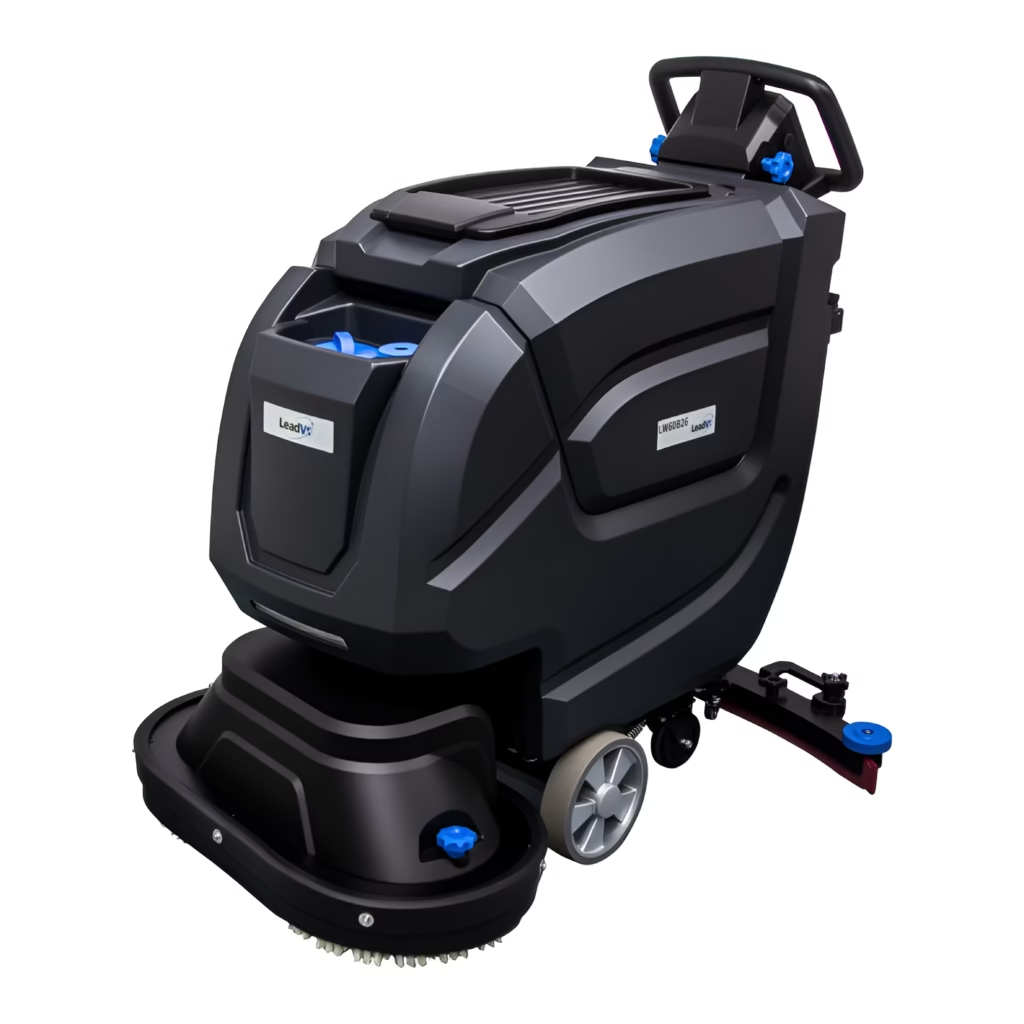
Walk-Behind Floor Scrubbers
A common type of floor scrubber is the walk-behind model. The operator steers the machine using a set of handles from behind, similar to a lawnmower. These machines are more compact than their ride-on counterparts, making them ideal for small- to medium-sized areas such as retail stores, school hallways, and hospital corridors. They offer excellent maneuverability for cleaning in congested spaces and around obstacles.
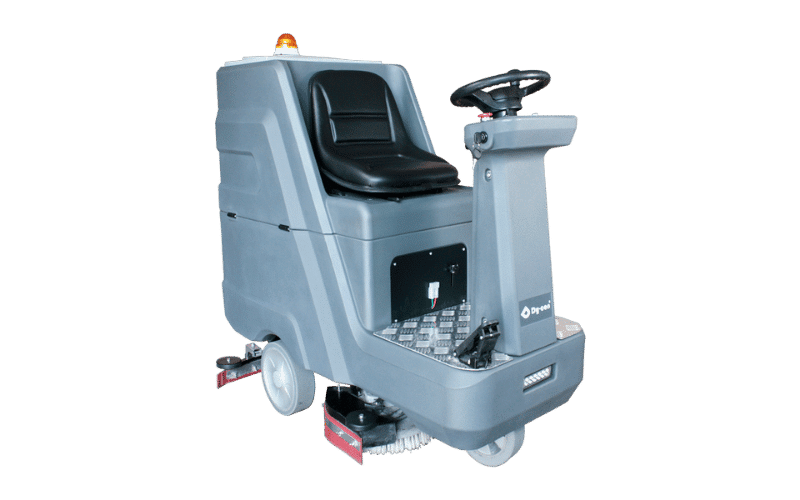
Ride-On Floor Scrubbers
These scrubbers are ideal for cleaning very large, open areas efficiently. The operator sits on the machine and drives it like a small vehicle. With wider cleaning paths and larger solution and recovery tanks, ride-on models can clean spaces like warehouses, distribution centers, and airport concourses in a fraction of the time it would take with smaller machines, significantly boosting productivity.

View Product: Ride-On Floor Scrubbers
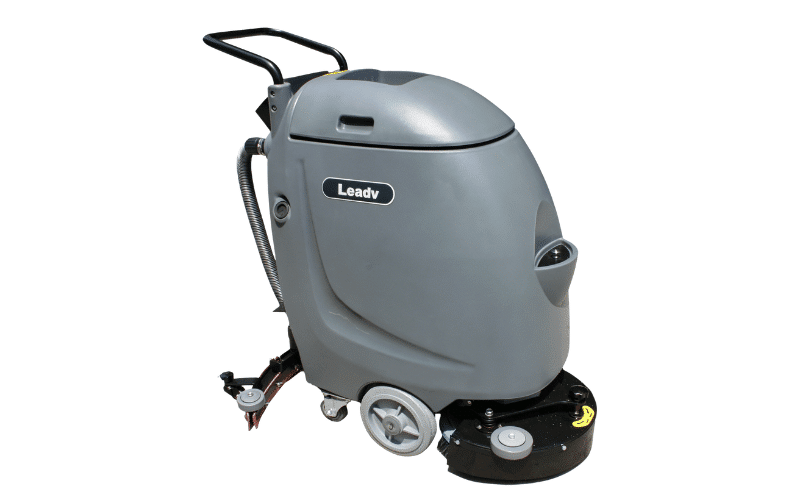
Compact Floor Scrubbers
These scrubbers, sometimes called micro-scrubbers, are designed specifically for tight spaces where maneuverability is the top priority. They are much smaller than traditional walk-behind models and can easily clean in narrow aisles, small kitchens, restrooms, and behind counters. Many feature foldable handles for easy transport and storage, making them a practical alternative to mops in environments with limited space.
Industrial Floor Scrubbers
The industrial floor scrubber is the best option for tackling the toughest cleaning jobs in environments such as manufacturing plants, heavy-duty workshops, and parking garages. These machines are built with robust steel frames, powerful motors, and large-capacity tanks to withstand demanding conditions and clean large areas with heavy soiling, such as grease and oil.
Battery-Powered Floor Scrubbers
Battery-powered scrubbers are the most popular type due to their convenience and safety. Without a cord to manage, operators have complete freedom to navigate around obstacles and cover large areas without restriction. This eliminates tripping hazards and allows for cleaning in areas far from a power outlet. They are the best option for daytime cleaning in active facilities or for spaces with complex layouts.
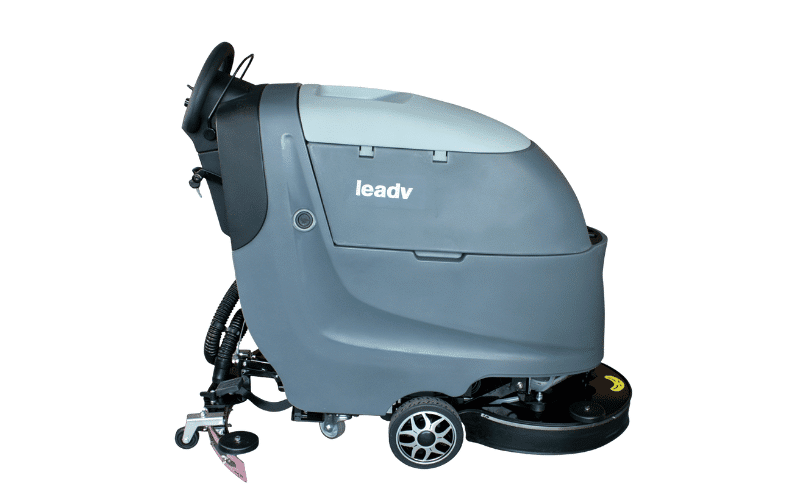
Corded Floor Scrubbers
Corded-electric scrubbers plug directly into a wall outlet, providing a constant and reliable power source. This eliminates concerns about battery runtime and the need for charging cycles. These machines are ideal for smaller areas where the power cord does not pose a significant safety risk or logistical challenge, such as in workshops, garages, or specific zones within a larger building.
Uses of a Floor Scrubber
The following are some of the main applications of a floor scrubber:
- Warehouses and Distribution Centers: These facilities use large ride-on scrubbers to efficiently clean thousands of square feet of concrete floors, removing dust, tire marks, and spills to maintain a safe and clean working environment.
- Retail Stores and Supermarkets: Walk-behind scrubbers are used daily to maintain the cleanliness and shine of polished concrete or vinyl floors in high-traffic aisles, ensuring a positive shopping experience for customers.
- Hospitals and Healthcare Facilities: Maintaining hygiene is critical, so scrubbers sanitize floors in patient rooms, hallways, and waiting areas, helping control the spread of infection.
- Schools and Universities: These institutions use a mix of compact and walk-behind scrubbers to keep hallways, cafeterias, gymnasiums, and classrooms clean and safe for students and staff.
- Industrial and Manufacturing Plants: Heavy-duty scrubbers are essential for removing tough grease, oil, and other industrial grime from production floors, contributing to workplace safety and operational cleanliness.
Conclusion
Floor scrubbers are a key tool in a wide range of industries, from sprawling warehouses and busy retail centers to sterile hospitals and bustling schools. Apart from making your cleaning operations quicker and more effective, these machines also ensure complete workplace safety. By automating the scrubbing and drying process, they deliver a higher standard of cleanliness than manual methods ever could.
By eliminating the need to manually mop large areas, they ensure your floors are cleaner and reduce the risk of slip-and-fall accidents. These dynamic and useful tools minimize safety concerns while increasing productivity on your work site, which saves you both time and money. Understanding their components, working principles, and available types is the first step toward revolutionizing your facility’s cleaning program.