







What Is an Auto Scrubber?
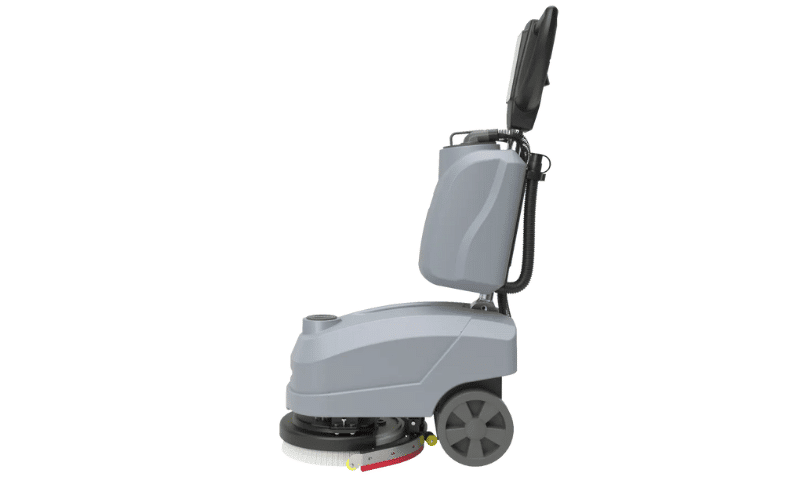
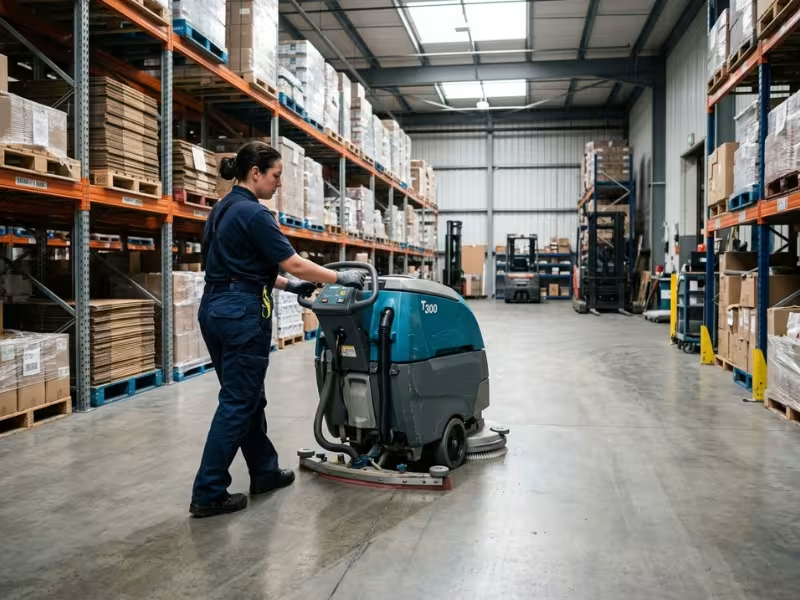
An auto scrubber is a commercial floor cleaning machine that does three jobs in a single pass. It dispenses cleaning solution, scrubs the floor with rotating pads or brushes, and recovers the dirty water with a vacuum-powered squeegee. This all-in-one operation leaves floors clean and nearly dry, reducing slip hazards and downtime compared to mopping.
Most auto scrubbers fall into two categories. Walk-behind floor scrubbers are guided by an operator on foot, while ride-on scrubbers let the operator sit or stand on the machine. Both operate on the same principle, but each suits different facility sizes and layouts.
When Should You Use an Auto Scrubber?
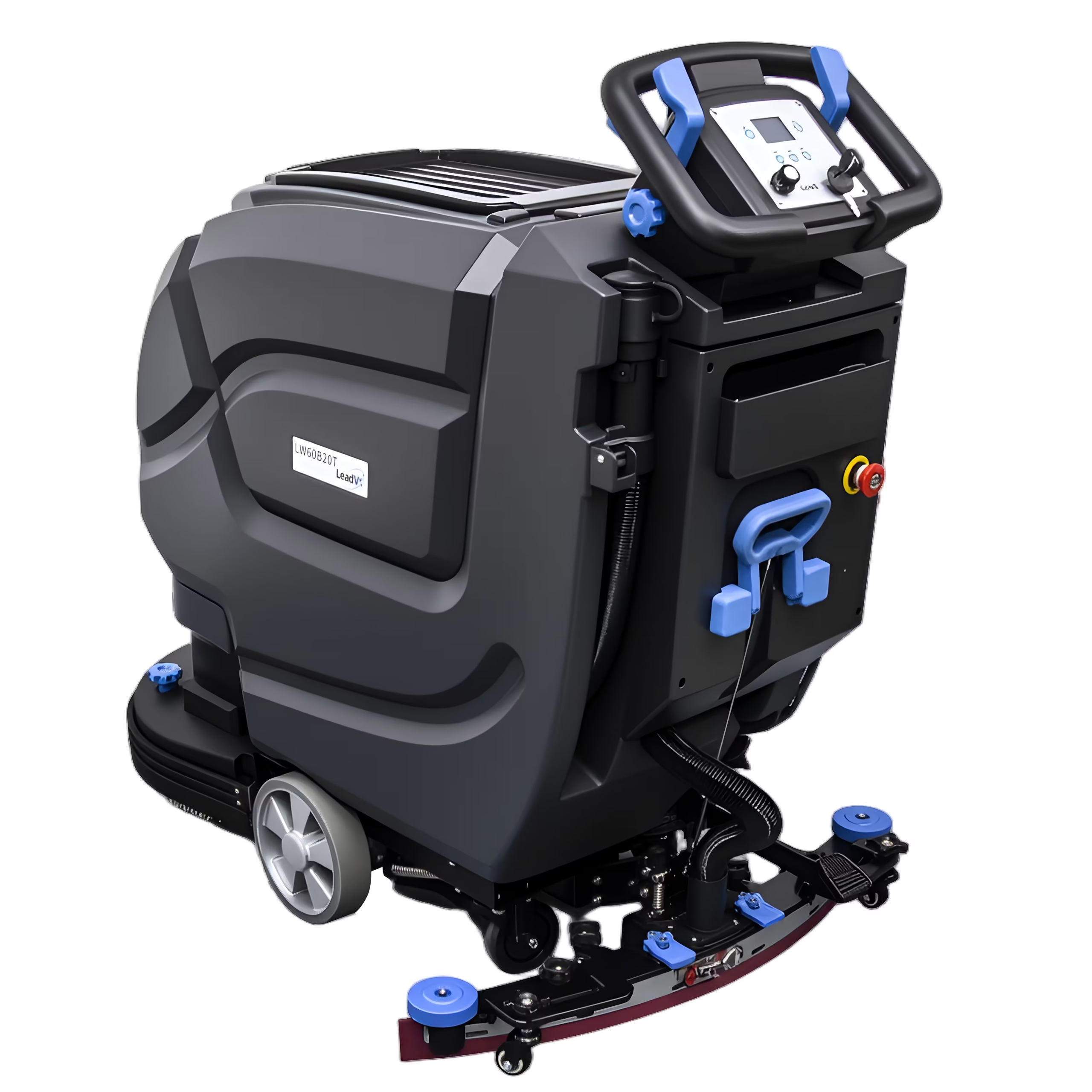
Auto scrubbers are built for large, open hard-floor areas such as warehouses, grocery stores, hospital corridors, schools, and manufacturing plants. They handle both routine daily cleaning and heavier restorative scrubbing.
High-traffic facilities benefit most from a regular auto scrubber schedule, since dirt builds up faster than mopping can keep up with. Still, an auto scrubber isn’t right for every job. Skip it on carpet, in tight or cluttered spaces, and on floors covered in loose debris that hasn’t been swept. In those cases, a mop and bucket or a carpet extractor is the better choice.
What You Need Before You Start
Gather these items before operating a floor scrubber:
- Personal protective equipment (PPE): eye protection, a face mask, and gloves to guard against chemical exposure.
- Safety materials: wet floor or caution signs to warn people in the area.
- Cleaning supplies: a neutral, low-foam floor cleaner suited to your floor type.
- Equipment: a dust mop or vacuum, the correct pad or brush, and the auto scrubber itself.
Running through this checklist first prevents mid-job interruptions and keeps the whole process moving smoothly.
How to Use an Auto Scrubber: Step-by-Step
Once your supplies are ready, follow these nine floor scrubber instructions for proper auto scrubber operation:
- Prep the area. Clear chairs, carts, cords, and other obstacles, then place wet floor signs around the work zone.
- Dust mop or vacuum the floor. Removing dry debris first prevents scratches and reduces wear on pads, brushes, and the squeegee.
- Fill the solution tank. Add clean water first, then cleaner, using the dilution ratio on the product label. Too much detergent causes streaks and foam.
- Choose the right pad or brush. Match pad color or brush stiffness to the task: softer pads for daily cleaning, more aggressive ones for heavy scrubbing.
- Lower the squeegee and start scrubbing. Begin at the far side of the room and work toward your exit in straight, controlled passes so you never walk over clean floor.
- Overlap passes and make wide turns. Overlap each pass by a few inches for full coverage, and turn slowly and widely so the squeegee recovers all the solution.
- Empty and rinse the tanks. Drain both the recovery and solution tanks after use to prevent odors, sludge, and residue buildup.
- Clean the squeegee, brush, and pad. Rinse and dry each part separately. Never store pads or brushes attached to the machine.
- Recharge the battery. Charge fully after each shift. For lead-acid batteries, avoid frequent short “opportunity charges,” which can shorten battery life.
This walk-behind floor scrubber workflow applies to most commercial models. Ride-on units follow the same sequence, with a few differences covered later in this guide.
How to Use an Auto Scrubber on Different Floor Types
Each flooring material needs a slightly different approach. Here’s how to adjust your technique by surface.
Tile
Grout lines trap dirty solution and residue, so slow your passes to let the machine pull water out of the gaps. A brush often reaches into grout better than a flat pad.
Concrete
Sealed concrete can handle a more aggressive pad or brush. Unsealed or porous concrete needs a gentler approach to avoid damaging the surface.
Read more: How to Clean Concrete Floors: Sealed, Unsealed & Polished Surfaces
VCT (Vinyl Composition Tile)
VCT and its floor finish scratch easily. Stick with soft, non-abrasive pads that clean well without dulling the shine.
Epoxy Floors
Avoid abrasive pads on epoxy coatings. A soft pad paired with a neutral cleaner keeps the glossy finish intact and free of micro-scratches.
Sealed Floors
Always use a neutral cleaner on sealed floors. Harsh or acidic chemicals break down the sealant over time, leading to early wear and costly resealing.
Common Auto Scrubber Mistakes to Avoid
Even experienced operators slip into these habits, so review them with your team regularly:
- Using too much detergent. Extra cleaner doesn’t clean better. It leaves streaks and sticky residue that attract more dirt.
- Skipping dry debris removal. Scrubbing over grit scratches floors and wears down pads faster.
- Choosing the wrong pad or brush. An overly aggressive pad can dull finishes or damage the surface.
- Making sharp turns. Tight turns leave unscrubbed patches and puddles behind.
- Storing the machine wet. Damp tanks and pads breed odor, mold, and mildew.
- Opportunity charging. Frequent partial charges on lead-acid batteries reduce capacity faster than full charge cycles.
Floor Scrubber Troubleshooting
Even well-maintained machines run into problems. Here’s how to diagnose the most common ones.
Floor Scrubber Not Picking Up Water
Start by checking whether the recovery tank is full. Then look for a misaligned squeegee, a worn or nicked blade, a clogged vacuum hose, or a loose recovery tank lid. Flip or replace the blade if the wiping edge is rounded.
Why Is My Auto Scrubber Leaving Water or Streaks?
Streaks usually point to a damaged squeegee blade, the wrong pad for the floor, too much detergent, or uneven overlap between passes. Moving too fast can also leave water behind.
No Solution Coming Out
Check the solution tank level and make sure the flow control is on. Next, clean the solution filter and inspect the hose and valve for blockages.
Brushes or Pads Not Spinning
Look for debris wrapped around the brush, a loose power connection, a worn drive belt, or a failing brush motor.
Battery Not Charging
Inspect the charger, plug, and cables for damage, and clean any corroded terminals. If the battery is several years old or has been opportunity charged often, it may need replacing.
If a problem continues after these checks, stop using the machine and have a technician inspect it. Small issues left alone can quickly turn into costly repairs.
Read more: Floor Scrubber Troubleshooting Guide: Common Problems, Causes, and Fixes
Auto Scrubber Maintenance After Every Use
A few minutes of care after each shift goes a long way toward extending your machine’s life:
- Drain and rinse both tanks, then leave the lids open to air dry.
- Rinse and dry the squeegee, and clean pads and brushes separately.
- Wipe down the exterior to remove grime.
- Fully charge the battery before storing the machine.
These cleaning tips prevent odors, reduce part replacement costs, and keep your auto scrubber running at full strength for years.
Walk-Behind vs. Ride-On Auto Scrubbers
The right choice depends mostly on your facility’s size, layout, and cleaning frequency.
Walk-behind scrubbers suit small-to-medium spaces that need tight maneuvering, like retail aisles, classrooms, and restaurants. They cost less upfront, making them a practical pick for facilities without huge square footage.
Ride-on scrubbers are built for warehouses, distribution centers, and big-box retail floors, where covering ground quickly matters most. Operators sit or stand on the machine, so they stay more comfortable during long shifts.
| Factor | Walk-Behind | Ride-On |
|---|---|---|
| Coverage area | Small to medium | Large |
| Cost | Lower upfront cost | Higher upfront cost |
| Maneuverability | Excellent in tight spaces | Best in open areas |
| Operator comfort | Good for shorter jobs | Better for long shifts |
| Ideal use case | Retail, schools, restaurants | Warehouses, distribution centers |
Pick a walk-behind model if your facility has narrow aisles or frequent obstacles. Pick a ride-on model if speed and coverage across large open areas matter more.
Keep Your Commercial Floors Spotless
Learning how to use an auto scrubber comes down to a simple rhythm: prep the space, scrub with the right technique, clean the machine, and maintain it after every use. Get these basics right, and you’ll protect your floors, extend your equipment’s life, and keep your facility safer for everyone.
Put this guide to work today. Share it with your cleaning team, use the step-by-step checklist on your next shift, and contact our equipment specialists if you need help choosing the right auto scrubber, pads, or cleaning solution for your floors.