










Quick answer: Sweep away loose debris, then mop with a pH-neutral cleaner diluted in warm water. The exact method depends on your floor type: sealed concrete needs gentle, non-acidic cleaners to protect the topcoat; unsealed concrete can handle slightly stronger solutions but absorbs stains easily; polished concrete requires soft tools and manufacturer-approved products to maintain its shine.
Concrete floors show every scuff, dust bunny, and coffee spill if you let them go too long between cleanings. But not all concrete is created equal, and using the wrong cleaning method can strip a sealer, dull a polished finish, or drive stains deeper into an unsealed slab.
This guide explains how to clean concrete floors based on their finish, where they’re located in your home, and what’s causing the mess. You’ll also find a stain-removal table, a list of products to avoid, and answers to the most common questions homeowners ask about concrete floor care.
Whether you’re maintaining a polished basement, a sealed kitchen floor, or a garage slab that’s seen better days, the right routine will keep concrete looking its best for years.
At a Glance: Concrete Floor Cleaning Basics
|
Floor Type |
Best Cleaner |
Cleaning Frequency |
Key Caution |
|---|---|---|---|
|
Sealed concrete |
pH-neutral cleaner |
Weekly sweep, biweekly mop |
Avoid acidic or abrasive cleaners that break down the sealer |
|
Unsealed concrete |
Mild dish soap or concrete cleaner |
Weekly sweep, weekly mop |
Wipe spills immediately to prevent absorption |
|
Polished concrete |
Manufacturer-approved neutral cleaner |
Daily dust mop, weekly wet mop |
Avoid abrasive pads that scratch the surface |
|
Stained/decorative concrete |
Non-acidic, color-safe cleaner |
Weekly sweep, biweekly mop |
Test cleaners in a hidden area first |
Step 1: Identify Your Concrete Floor Type
Before you grab a mop, you need to know what kind of concrete you’re dealing with. Each finish reacts differently to moisture, chemicals, and abrasion, so a few minutes of upfront inspection can save you an expensive mistake later.
Sealed Concrete
Sealed concrete has a protective topcoat, either penetrating or film-forming, that resists moisture and stains. It often has a slight sheen and feels smooth to the touch. Water tends to bead on the surface instead of soaking in.
Unsealed Concrete
Unsealed concrete has a porous, matte surface. Water and liquids absorb quickly, which makes stains more likely if spills aren’t cleaned up right away. Basements and older garages often have unsealed floors.
Polished Concrete
Polished concrete is mechanically ground and buffed to a glossy, reflective finish. It’s common in modern homes, showrooms, and finished basements. Because the polishing process also densifies the surface, polished concrete typically needs less topical protection than other finishes—though you should always follow the manufacturer’s guidelines for your specific installation.
Stained or Decorative Concrete
Stained or decorative concrete has been treated with acid stains, dyes, or stamped patterns for visual effect. It usually has a sealer on top to protect the color, so clean it with the same care as sealed concrete.
Quick Identification Table
|
Test |
Sealed |
Unsealed |
Polished |
|---|---|---|---|
|
Water droplet test |
Beads on surface |
Absorbs within seconds |
Beads or absorbs slowly |
|
Surface feel |
Smooth, slightly glossy |
Rough, matte |
Very smooth, high-gloss |
|
Visual appearance |
Slight sheen |
Dull, chalky |
Reflective, mirror-like |
What You Need to Clean Concrete Floors
Gather these supplies before you start:
- Soft-bristle broom or dust mop
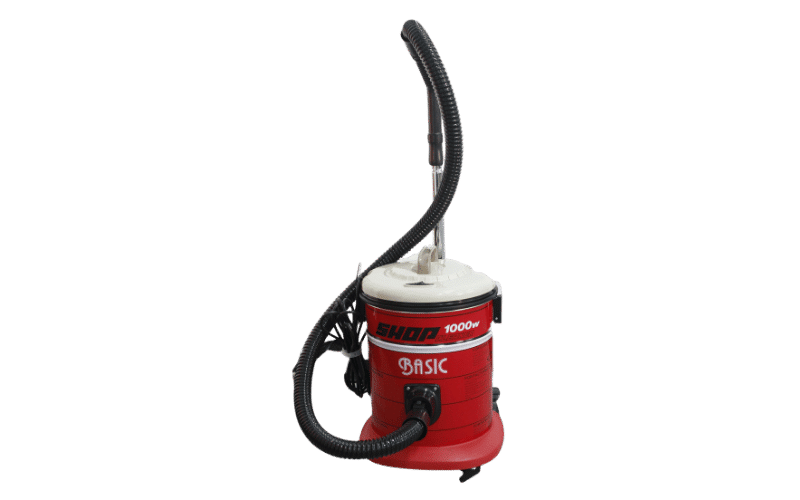
- Wet/dry vacuum (optional, but useful for garages and basements)
- pH-neutral concrete cleaner
- Microfiber mop or flat-head mop
- Two buckets (one for cleaning solution, one for rinse water)
- Soft-bristle scrub brush for stains
- Clean, dry towels
Having everything on hand before you begin keeps the process efficient and prevents you from reaching for a harsh substitute mid-clean, like dish soap when you meant to grab a concrete-safe formula.
Step-by-Step: How to Clean Concrete Floors
- Remove loose debris. Sweep or vacuum the entire floor to clear dust, dirt, and grit. Skipping this step can let debris scratch the surface when you start mopping.
- Pre-treat stubborn stains. Spot-treat any visible stains before mopping the whole floor (see the stain-removal table below).
- Mix your cleaning solution. Dilute a pH-neutral cleaner in warm water as directed on the product label.
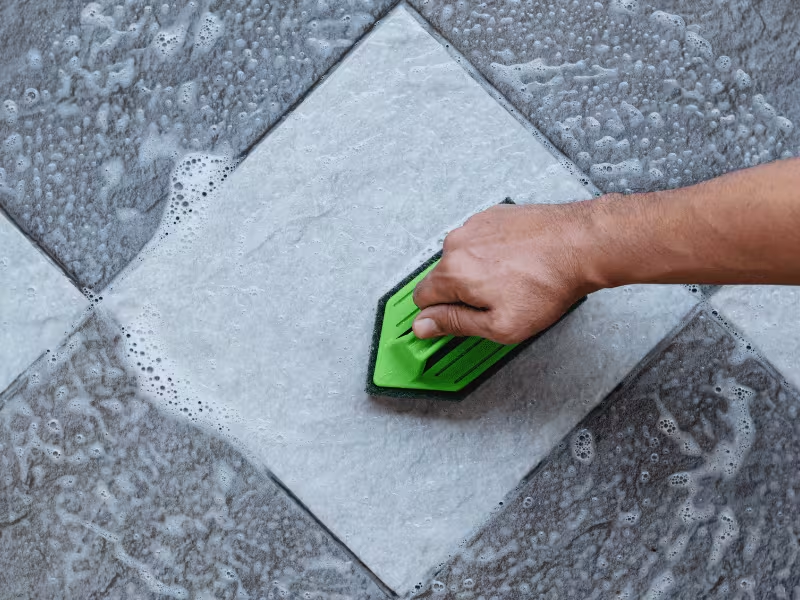
- Mop in small sections. Work in manageable areas, using a damp — not soaked — mop to avoid pooling water.
- Rinse with clean water. Go over each section again with plain water to remove any cleaner residue.
- Dry the floor. Use a towel, squeegee, or let it air dry with proper ventilation to prevent streaking or cloudiness.
How to Clean Sealed Concrete Floors
Sealed concrete floors hold up well to regular cleaning, but the sealer itself needs protecting. Stick to pH-neutral cleaners and avoid vinegar, ammonia, or bleach, which can slowly break down the topcoat over time.
If you want added shine, floor wax can work on some sealed concrete floors—but confirm it’s compatible with your specific sealer first, since certain waxes can cause cloudiness or poor adhesion on particular finishes. When in doubt, check with the sealer manufacturer or a flooring professional.
How to Clean Unsealed Concrete Floors
Unsealed concrete is more forgiving of stronger cleaners, but its porous surface means prevention matters more than correction. Wipe up spills as soon as they happen, and avoid letting water sit for long periods, since it can seep in and contribute to efflorescence (that white, chalky residue you sometimes see on basement floors).
A mild dish soap and warm water solution works for routine cleaning. For deeper grime, use a dedicated concrete cleaner for porous surfaces to lift dirt without leaving residue that attracts more dust. Choose a dish soap solution for light, recent messes; reach for a dedicated concrete cleaner if stains have had time to set in.
How to Clean Polished Concrete Floors
Polished concrete shows scratches and dullness more easily than other finishes, so use gentle tools. Dust mop daily to keep grit from scuffing the surface, and wet-mop weekly with a manufacturer-approved neutral cleaner.
Avoid abrasive pads, scouring brushes, and acidic cleaners, which can dull the polish over time. If your floor looks hazy despite regular cleaning, cleaner buildup may be the cause rather than a loss of polish. Switching to a clean rinse step after mopping often resolves this.
Cleaning by Scene: Indoor, Garage, and Basement Concrete Floors
How Do You Clean Indoor Concrete Floors?
Indoor concrete floors, whether sealed or polished, benefit most from consistent, light-touch maintenance. Daily dust mopping prevents grit buildup, and weekly wet mopping with a pH-neutral cleaner keeps the surface looking fresh without wearing down any finish.
How Do You Clean Garage Concrete Floors?
Garage floors deal with oil drips, tire marks, and tracked-in debris, making them prone to tougher stains. Start by sweeping or using a wet/dry vacuum to remove dirt and gravel. For oil stains, a degreasing concrete cleaner designed for garage use works better than general-purpose cleaners. Rinse thoroughly, since soap residue can make the floor slippery.
How Do You Clean Basement Concrete Floors?
Basement floors are frequently unsealed and more prone to moisture issues. Good ventilation during and after cleaning helps prevent mildew and that musty basement smell. If you notice recurring white, powdery residue, that’s efflorescence, a sign of moisture moving through the slab, and it may be worth addressing the underlying moisture source before focusing on surface cleaning.
How to Remove Common Stains from Concrete Floors
|
Stain Type |
Recommended Method |
|---|---|
|
Oil or grease |
Apply a degreasing concrete cleaner or baking soda paste, let sit, then scrub with a soft brush |
|
Rust |
Use a rust-specific concrete stain remover; avoid acidic DIY solutions on sealed or polished surfaces |
|
Paint |
Scrape off excess, then use a paint stripper formulated for concrete, following label instructions |
|
Mold or mildew |
Scrub with a diluted, non-bleach mold cleaner safe for concrete, then rinse well |
|
Efflorescence (white residue) |
Dry brush the area first, then clean with a mild solution; address underlying moisture if it recurs |
Always test a stain remover in an inconspicuous area first, especially on sealed, polished, or stained concrete, to confirm it won’t discolor or dull the finish.
What NOT to Use on Concrete Floors
- Vinegar or other acidic cleaners: These can etch sealed or polished surfaces and dull the finish over time.
- Bleach: Can discolor stained or decorative concrete and may not remove certain stains completely.
- Ammonia-based cleaners: Can break down sealers with repeated use.
- Steel wool or abrasive scrub pads: Can scratch polished or sealed finishes.
- Excess water: Can seep into unsealed concrete or seams, contributing to moisture issues over time.
Common Mistakes to Avoid
- Using too much water. Oversaturating the floor, especially unsealed concrete, can lead to pooling, streaking, or long-term moisture problems.
- Reaching for acidic cleaners. Even natural options like vinegar can slowly damage sealers and polished finishes.
- Skipping dry debris removal. Mopping over dirt and grit before sweeping can scratch the surface.
- Using abrasive pads or brushes. These may seem effective on stains but often cause more cosmetic damage than they fix.
- Not testing stain removers first. A product that works well on one concrete finish can discolor or dull another.
Best Cleaner Criteria: What to Look For
When choosing a cleaner for concrete floors, prioritize products that are:
- pH-neutral: Won’t strip sealers or dull polished finishes.
- Non-acidic: Safe for long-term use without etching the surface.
- Residue-free: Rinses clean without leaving a film that attracts dust or causes cloudiness.
- Labeled safe for your floor type: Check that the product explicitly states compatibility with sealed, unsealed, or polished concrete.
Choose a cleaner labeled for sealed or polished concrete if shine and finish preservation matter most; opt for a stronger, porous-surface formula if your priority is lifting deep-set grime from unsealed concrete.
How Often to Clean and Reseal Concrete Floors
Routine sweeping should happen weekly for most concrete floors, with wet mopping every one to two weeks depending on foot traffic. High-traffic areas like garages and entryways may need more frequent attention.
Resealing frequency depends on the sealer type and wear level, but many sealed concrete floors benefit from resealing every two to five years. Watch for signs like water no longer beading on the surface or increased dusting, both of which can indicate the sealer is wearing thin. Always check the original sealer manufacturer’s recommendations, since resealing intervals vary by product.
Keeping Your Concrete Floors Looking Their Best
Clean concrete floors come down to matching the method to the finish. Sealed floors need gentle, pH-neutral care to protect the topcoat. Unsealed floors demand quick attention to spills. Polished floors reward consistent, soft-touch maintenance. Once you know which type you’re working with, the rest becomes routine.
Start with a simple sweep and a pH-neutral cleaner, then build your routine based on how the floor responds.
Frequently Asked Questions
Can you use vinegar on concrete floors?
We don’t recommend vinegar on concrete floors, especially sealed or polished surfaces. Its acidity can etch the finish and break down sealers over time, leading to dullness or discoloration.
What’s the best cleaner for concrete floors?
The best cleaner for concrete floors is a pH-neutral, non-acidic formula that rinses without leaving residue. Always confirm the product is labeled safe for your specific floor type, whether sealed, unsealed, or polished.
Can you use a steam mop on concrete?
You can use steam mops on sealed concrete in moderation, but frequent use isn’t recommended on unsealed or polished concrete. Excess heat and moisture can degrade sealers over time, so check the manufacturer’s guidance first.
How do you make concrete floors shine again?
Restoring shine typically starts with a thorough clean using a pH-neutral cleaner to remove dulling residue. If the floor still looks flat afterward, a compatible wax or polish (make sure it’s safe for your sealer or finish) can restore sheen.
Why does a concrete floor look cloudy after mopping?
Cloudiness after mopping often comes from cleaner residue left on the surface. Rinsing with clean water after mopping and drying the floor fully usually resolves this issue.