



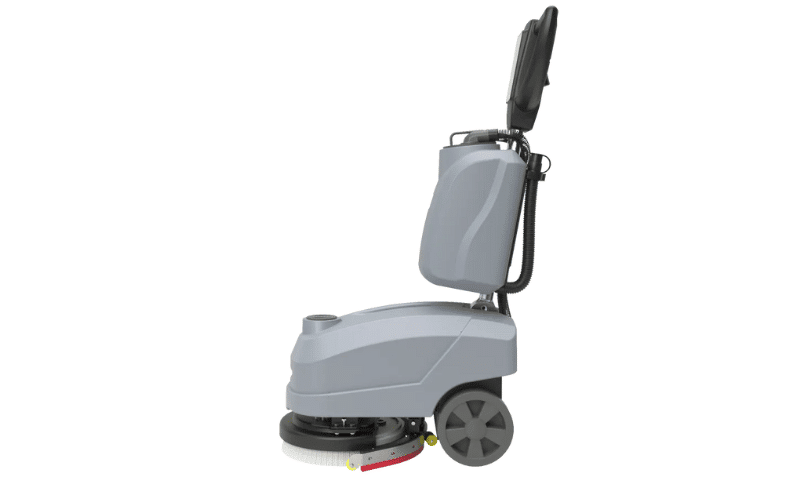

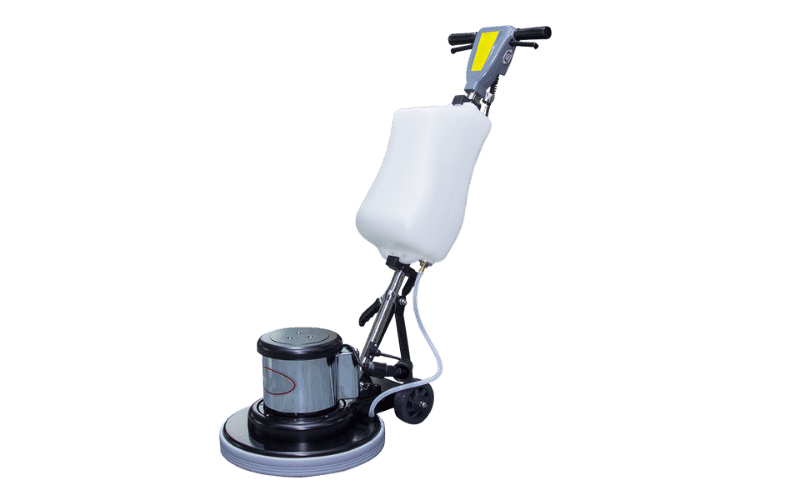
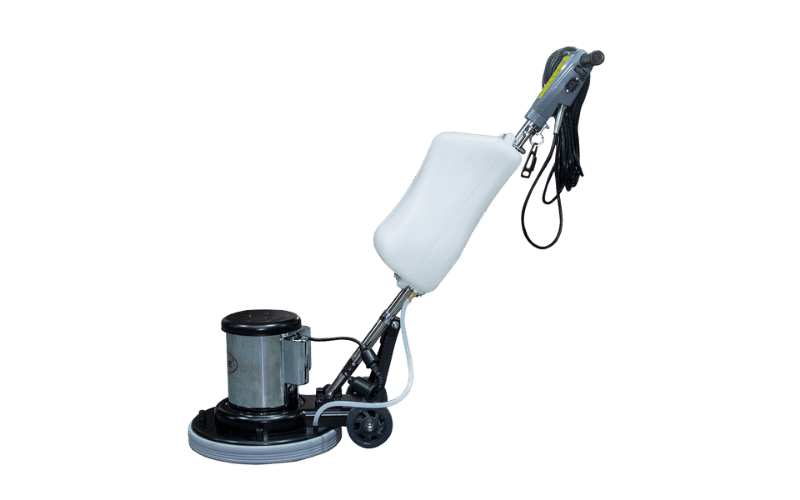
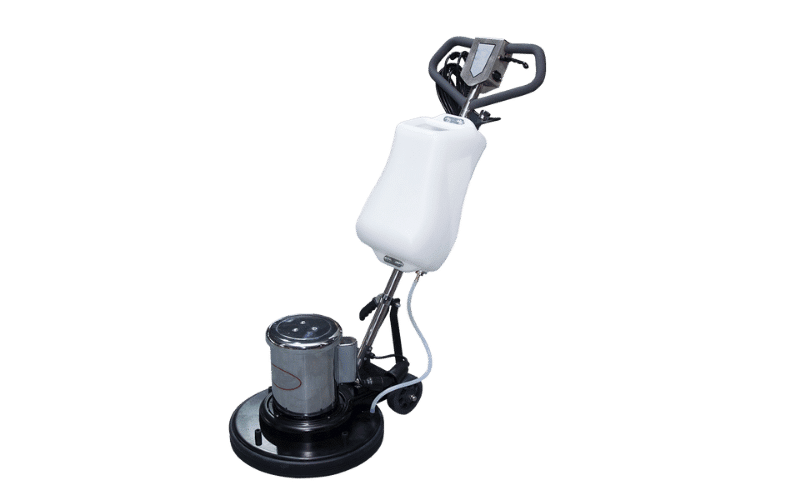
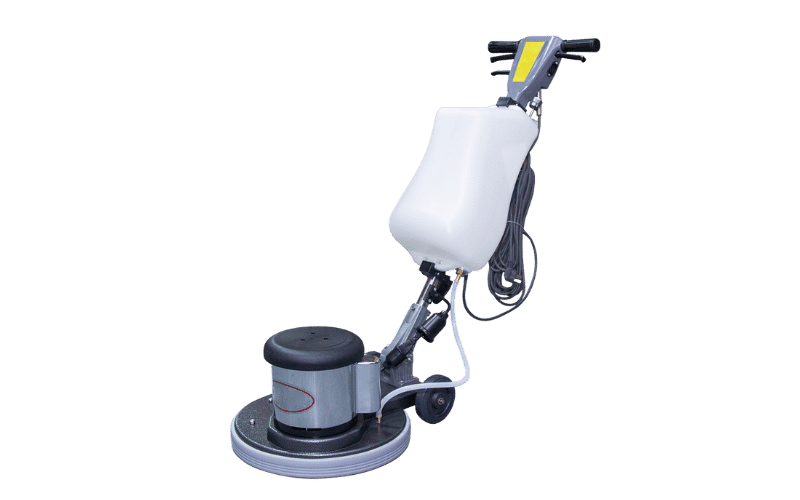
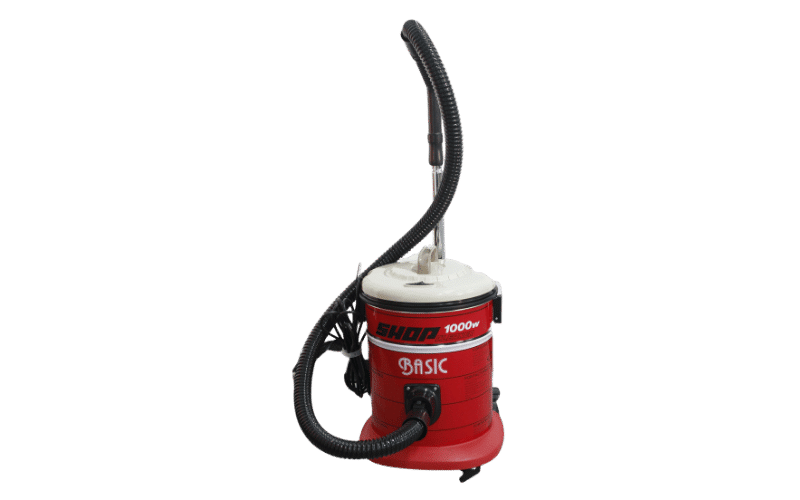

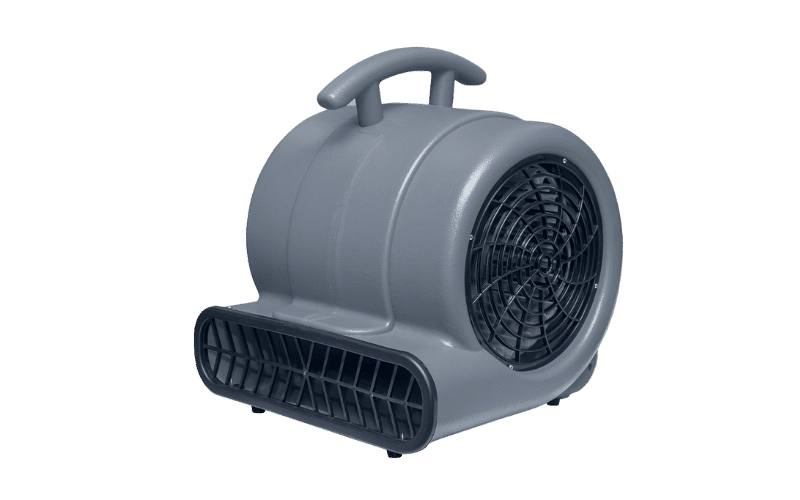



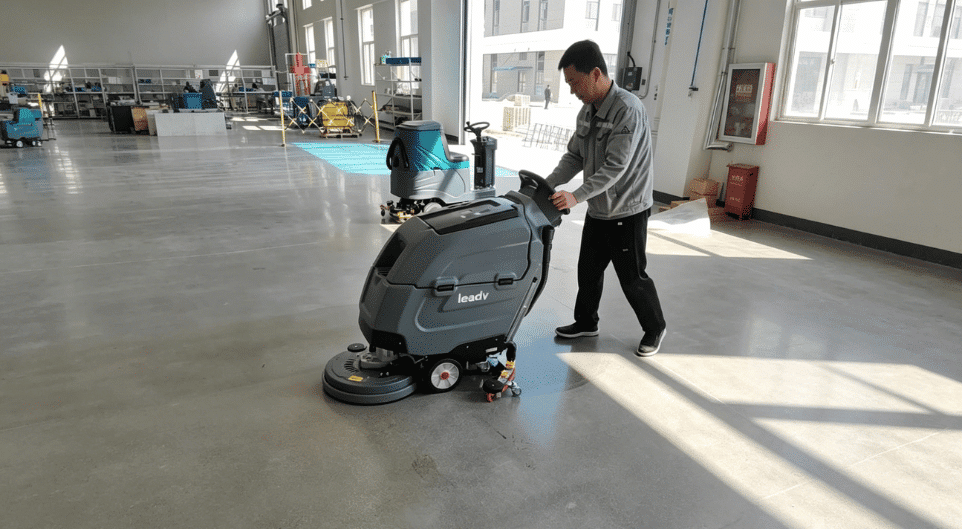
A scrubber that quits mid-shift, a buffer that streaks a freshly waxed floor, a battery that dies years before it should—each one costs money and throws your cleaning schedule into chaos. For most facilities, the difference between machines that last a few years and machines that last a decade comes down to one thing: consistent floor scrubber maintenance.
The good news? You don’t need a service technician on staff to protect your investment. A handful of daily habits, a few periodic checks, and a written schedule will prevent the vast majority of breakdowns. This guide gives you a complete, operations-ready system you can implement today.
Here’s what you’ll walk away with: a clear definition of preventative maintenance, daily and periodic routines, dedicated battery care, buffer and burnisher upkeep, the common mistakes that destroy machines early, and a simple schedule you can build for your fleet. Whether you run a single walk-behind unit or a fleet across multiple sites, these steps will help you extend the life of your floor scrubbers and keep your floors safe and presentable.
What Preventive Maintenance Means for Floor Cleaning Machines
Preventative maintenance for floor scrubbers is scheduled, proactive care that keeps machines running before anything goes wrong. Instead of waiting for a part to fail, you inspect, clean, and service equipment on a set routine. Reactive maintenance is the opposite—you fix the machine only after it breaks, usually at the worst possible time.
The logic is simple: small, routine checks catch minor issues before they snowball into expensive failures. A two-minute squeegee wipe prevents streaking. A quick filter check protects a costly vacuum motor. This approach applies equally to automatic scrubbers, floor buffers, and burnishers.
Preventative vs. Reactive Maintenance
The two approaches lead to very different outcomes on cost, downtime, and lifespan. Reactive maintenance means emergency service calls, rushed parts orders, and machines sitting idle while work piles up. Preventive maintenance spreads small, predictable tasks across the calendar.
The business case is hard to argue with: planned upkeep is almost always cheaper than emergency repairs and premature replacements. You trade a few minutes a day for years of reliable service.
Why Floor Scrubber Maintenance Protects Your Bottom Line
Maintenance isn’t an expense—it’s a measurable return. Every dollar spent on routine care saves several more on repairs, replacements, and lost productivity.
The Real Costs of Skipping Maintenance
When upkeep slips, the bills add up fast. Consider what neglect actually triggers:
- Unexpected mechanical failures that disrupt cleaning schedules and slow down operations.
- Premature, costly replacements as machines wear out years earlier than expected.
- Safety hazards, since worn squeegees and clogged filters leave floors wet and slippery for foot traffic.
What Consistent Upkeep Protects
Regular care delivers benefits you can plan around:
- Lower total cost of ownership and more predictable budgets.
- Longer machine lifespan and fewer emergency service calls.
- A valid manufacturer warranty and easier compliance.
So here’s the takeaway: routine care turns an unpredictable expense into a controlled, planned one. That predictability is exactly what facility managers need to protect their numbers.
Daily Floor Scrubber Maintenance Checklist
These end-of-shift habits take just a few minutes and prevent the most common failures. Make this floor scrubber maintenance checklist part of every operator’s routine, and you’ll head off the problems that account for most service calls.
End-of-Shift Checklist
- Drain and rinse the recovery tank to prevent sludge buildup and odors.
- Inspect the vacuum motor filter and float shut-off to keep the motor dry and protected.
- Remove debris from the squeegee blades and wipe them down to prevent streaking.
- Check brushes or pads for wear and clear any tangled hair, string, or shrink wrap.
- Charge batteries after the full cleaning cycle, and avoid short, partial charges.
- Wipe down the exterior of the machine and store it with the tank lid open to air out.
This daily automatic scrubber maintenance routine is the single highest-value habit you can build. Skip it, and small problems compound overnight.
Weekly and Monthly Floor Machine Maintenance Tasks
Daily checks handle the obvious wear, but deeper, periodic tasks catch the slow problems that build quietly over time. Group these into weekly and monthly routines so nothing falls through the cracks.
Weekly Tasks
- Flush the entire solution system with clean water to clear chemical residue and clogs.
- Inspect squeegee blades for nicks, and flip or rotate them to extend their life.
- Clean tank seals and gaskets to maintain strong suction.
Monthly Tasks
- Inspect and clean battery terminals (see the battery section below for details).
- Lubricate pivot points and wheels to reduce squeaking and mechanical resistance.
- Examine drive belts or motor brushes for fraying or excessive wear.
- Check hoses and fittings for cracks, leaks, or loose connections.
A quick recap: weekly tasks protect cleaning quality, while monthly tasks protect the machine’s mechanical and electrical health. Together they form the backbone of solid floor cleaning machine maintenance.
Floor Scrubber Battery Maintenance
The battery is frequently the most expensive component on the machine—and the most neglected. Proper floor scrubber battery maintenance directly protects your investment and prevents one of the costliest failures a fleet can face.
Lead-Acid Battery Care
Flooded lead-acid batteries need hands-on attention to reach their full lifespan:
- Check water levels regularly and top off with distilled water as needed.
- Clean corroded terminals with a baking soda solution and keep them dry.
- Avoid over-discharging, which causes permanent capacity loss.
Lithium and Charging Best Practices
How you charge matters as much as the chemistry you choose. Follow full charge cycles for lead-acid batteries, and take advantage of opportunity charging where lithium allows it. When machines sit idle, store batteries charged and in a stable, moderate environment.
The bottom line: good charging habits are the single biggest factor in how long your batteries last. Treat the battery well, and you’ll delay a major replacement cost by years.
Floor Buffer and Burnisher Maintenance Tips
High-speed machines have their own wear points and fire-safety concerns that scrubbers don’t. Floor buffer maintenance and burnisher maintenance deserve a dedicated routine, since neglect here can ruin both the machine and the floor finish.
Buffer and Burnisher Checklist
- Flip or replace polishing pads frequently to avoid burning the floor finish.
- Blow out the motor housing with compressed air to clear fine dust that chokes the motor.
- Inspect the power cord for cracks, exposed wires, or loose prongs that pose a fire risk.
- Verify the pad driver is balanced and tightened to prevent harmful vibration.
- Clean the underside of the deck so old wax doesn’t flake onto freshly finished floors.
A worn pad or a dust-clogged motor can undo a perfect burnish in seconds. Quick checks keep both your machine and your floors looking their best.
Common Floor Scrubber Problems That Shorten Machine Life
Most early failures aren’t bad luck—they’re avoidable mistakes. Knowing the common floor scrubber problems below helps your team steer clear of the habits that quietly destroy machines.
Mistakes That Cause Early Failure
- Using the wrong chemicals — corrodes internal seals and damages the vacuum motor.
- Over-discharging batteries leads to permanent capacity loss and a shorter lifespan.
- Leaving dirty water in the tank causes mold growth and clogs drainage hoses.
- Running worn-out pads or brushes damages floors and overstresses the motor.
- Ignoring small leaks — lets water reach sensitive electronic control boards.
Each of these is preventable with the routines above. Catch them early, and you’ll avoid the repairs that drain maintenance budgets.
How to Train Staff to Protect Your Machines
Even the best schedule fails if operators don’t follow it. Training is where maintenance plans succeed or fall apart, so the human factor deserves real attention.
Building Operator Accountability
- Create a simple sign-off checklist that operators complete after every shift.
- Show workers the color-coded maintenance points found on most modern machines.
- Explain the cost differences—between a cheap hose replacement and a full motor rebuild—so the “why” lands.
- Designate a clean storage area with easy-to-reach chargers.
- Recognize teams that keep their equipment in top condition over time.
When operators understand the stakes and own the routine, maintenance stops being a chore and becomes a habit. That ownership is what makes a program stick.
How to Build a Preventive Maintenance Schedule
A written, repeatable plan is what turns good intentions into longer machine life. Pull the tasks above into a clear cadence, and you’ll know exactly what to do and when.
Set Your Maintenance Cadence
Map every task to a frequency—daily, weekly, monthly, quarterly, or annual service. Then match the schedule to usage intensity. A single-shift retail site can follow lighter intervals, while a multi-shift warehouse fleet needs tighter ones.
Keep a Maintenance Log
Track battery health, parts replacements, and service history for every machine. Over time, the log reveals recurring issues and helps you decide when to repair versus replace a unit. That data takes the guesswork out of fleet planning.
Quick-Start Schedule
Use this table as a fast reference to build your routine.
| Frequency | Key Tasks |
|---|---|
| Daily (end of shift) | Drain and rinse recovery tank, check filter and float, clean squeegees, inspect pads/brushes, charge fully, air out tank |
| Weekly | Flush solution system, inspect and rotate squeegee blades, clean tank seals and gaskets |
| Monthly | Clean battery terminals, lubricate pivots and wheels, check belts/motor brushes, inspect hoses and fittings |
| Quarterly / Annual | Professional service inspection, deep battery testing, drive system check, and replace worn major components |
Print it, post it near the charging station, and you’ve got an instant operations guide.
Frequently Asked Questions
How often should I replace the squeegee blades on my scrubber?
Inspect blades weekly and flip them when one edge wears down. Most blades need replacing every one to three months, depending on use and floor type. Replace them immediately if you notice streaking that wiping won’t fix.
Can I use any floor cleaner in my automatic scrubber tank?
No. Use only low-foaming detergents designed for automatic scrubbers. The wrong chemicals foam excessively, corrode seals, and can damage the vacuum motor. Always follow the manufacturer’s chemical recommendations.
Why is my floor scrubber leaving streaks of water behind?
Streaking usually points to worn, dirty, or misaligned squeegee blades, or weak suction from a clogged filter or loose tank seal. Clean or flip the blades first, then check the filter and gaskets. Persistent streaking means it’s time for new blades.
How long should a set of lead-acid batteries last with proper care?
With regular watering, clean terminals, and full charge cycles, lead-acid batteries typically last around three to five years. Over-discharging and partial charging can cut that lifespan dramatically. Good charging habits are the biggest factor.
What are the signs that my buffer motor is beginning to fail?
Watch for burning smells, unusual vibration, reduced pad speed, sparking, or tripped breakers. These often signal worn motor brushes, bearing wear, or dust buildup in the housing. Address them early before the motor fails completely.
Should I store the tank lid open or closed?
Store it open. Leaving the recovery tank lid open lets the tank air out, which prevents mold, mildew, and lingering odors. A closed, damp tank breeds the buildup that clogs hoses.
How often should a floor scrubber be professionally serviced?
Most machines benefit from professional service once or twice a year, depending on usage intensity. High-use, multi-shift fleets should schedule more frequent inspections. Pair professional service with your in-house daily and periodic routines.
What daily maintenance does an automatic scrubber really need?
At minimum, drain and rinse the recovery tank, clean the squeegees, check the filter and brushes, and charge the battery fully. These few minutes at the end of each shift prevent most common failures.
Conclusion: A Simple Plan to Extend Your Machines’ Life
Consistent floor scrubber maintenance lowers your total cost of ownership, prevents disruptive downtime, and keeps machines running for years longer than neglected equipment. The routines in this guide aren’t complicated—they’re a matter of building habits and writing them down. Done well, preventative maintenance turns unpredictable repair bills into a calm, planned process.
Here’s where to start:
- Start a daily end-of-shift checklist today and have operators sign off.
- Set up a maintenance log for each machine to track battery health and repairs.
- Schedule your weekly, monthly, and professional service intervals using the quick-start table above.
Use the checklist and schedule above to build your program this week. If you want help tailoring a maintenance plan or sourcing the right replacement parts for your fleet, reach out to a floor care specialist for guidance.