







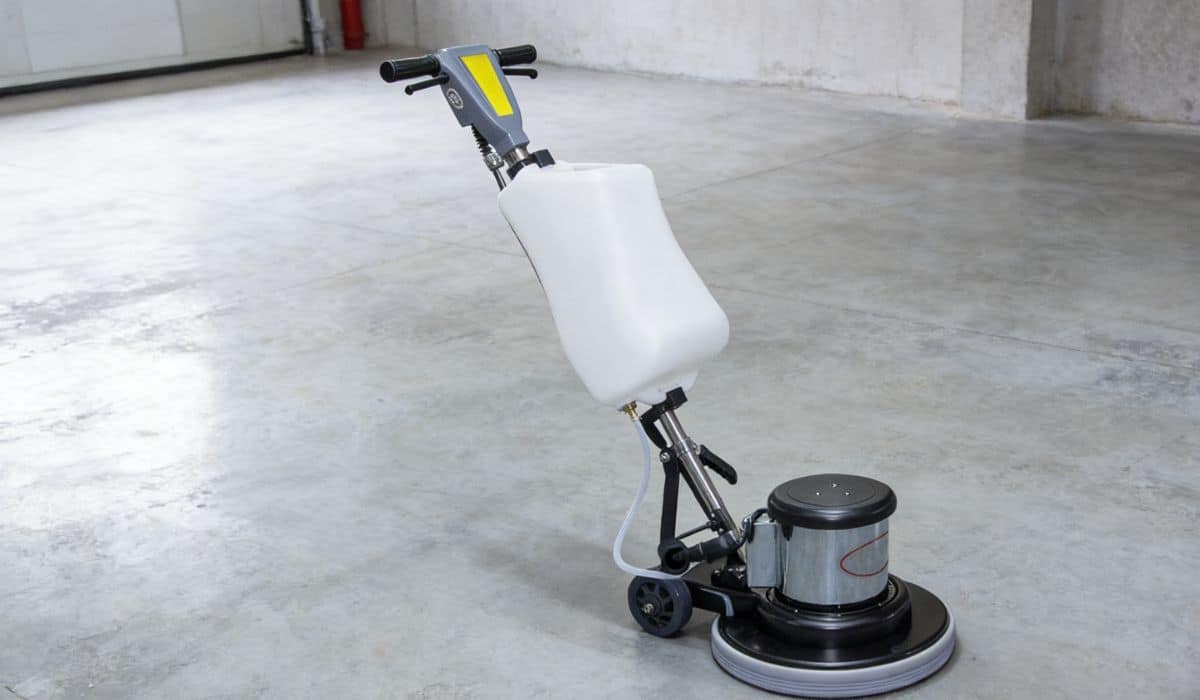
Imagine looking down at a dull, scratched surface and wishing it could shine like glass with just a little dedicated effort. This is exactly what modern surface care technology offers for industrial, commercial, and even residential spaces. Concrete floor buffers have transformed how property owners maintain their massive square footage, streamlining what used to be a backbreaking manual chore. These powerful machines do far more than just surface-level cleaning; they actively polish, grind, and breathe new life into worn-out, heavily trafficked concrete floors. By using high-speed rotary pads, they smooth out imperfections and create a highly reflective finish. However, is investing in a heavy-duty floor buffer actually worth the money, maintenance, and storage space? What exactly are the specific benefits and drawbacks of operating one of these machines? Before making a purchase or renting one for your facility, let us thoroughly explore the pros and cons to help you make a fully informed decision.
What Are The Pros of Concrete Floor Buffers?
Concrete floor buffers offer numerous distinct advantages, including significantly enhanced floor appearance, improved structural durability, long-term cost-effectiveness, high versatility across environments, and surprisingly straightforward ease of use.
Enhanced Floor Appearance
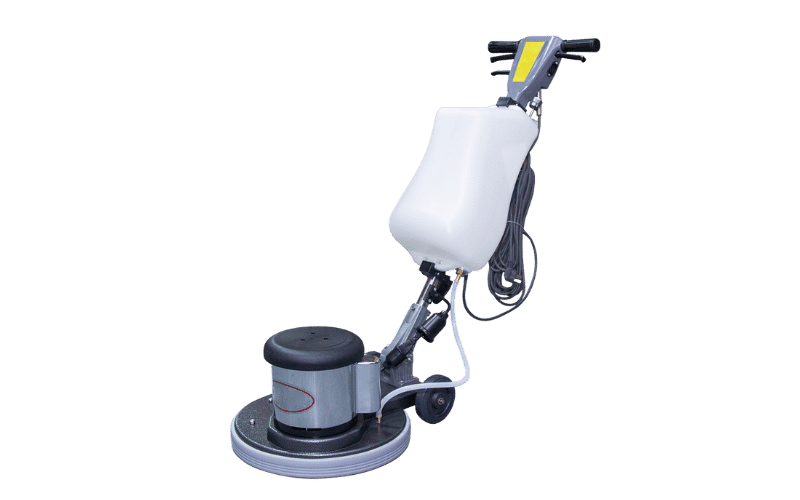
Say goodbye to staring at scuff marks, tire tracks, and dull patches on your warehouse or garage floor. Concrete floor buffers are engineered to cover large areas and restore an incredible shine with remarkable efficiency. By using high-speed rotating pads, these machines gently but firmly grind away the microscopic top layer of dirt, grime, and minor surface scratches, revealing the pristine, undamaged concrete beneath. The result is a glossy, professional finish that beautifully reflects overhead lighting, instantly upgrading the overall look and feel of any commercial or residential space. Regular buffing easily removes stubborn, embedded stains that standard mopping simply cannot touch. You do not need to rely on applying harsh chemical coatings or waxes to get that coveted mirror-like finish. The buffer pad’s rapid mechanical action does the heavy lifting, keeping your floors spotless, highly polished, and visually impressive with minimal manual scrubbing.
Durability and Longevity
Regularly buffing your concrete floors does much more than just make them look aesthetically pleasing; it actively extends their functional lifespan. Concrete is inherently porous, meaning dirt, moisture, and abrasive particles can easily settle into its microscopic pits and valleys. Over time, foot traffic and heavy machinery grind these particles deeper, accelerating surface wear and tear. A concrete floor buffer smooths out these porous imperfections, creating a denser, harder, and much more resilient surface layer. This densification process makes the floor highly resistant to future scratches, chipping, and moisture penetration. By routinely buffing out minor damage before it can evolve into severe structural cracking, you are proactively protecting the foundational integrity of your property. Ultimately, utilizing a floor buffer ensures your concrete surfaces remain strong, intact, and reliable for decades, perfectly equipped to handle the daily stresses of heavy commercial or residential use.
Cost-Effectiveness
While purchasing heavy machinery might seem like a significant financial commitment at first glance, utilizing a concrete floor buffer is highly cost-effective over the long term. Unmaintained concrete floors eventually degrade, crack, and require incredibly expensive professional resurfacing or total replacement. By incorporating a floor buffer into your routine maintenance schedule, you drastically reduce the likelihood of facing these massive repair bills. Furthermore, highly polished concrete floors reflect ambient light, subtly lowering your energy bills by reducing the need for extensive artificial lighting. You also save a substantial amount of money on cleaning supplies, as buffed concrete rarely requires expensive industrial floor waxes, chemical strippers, or specialized coatings to maintain its shine. The machine handles the physical labor efficiently, reducing hourly labor costs associated with manual floor scrubbing and guaranteeing a strong return on your initial equipment investment.
Versatility
One of the most appealing aspects of modern concrete floor buffers is their remarkable versatility across different environments and floor types. These machines are not strictly limited to massive industrial warehouses or manufacturing plants. They are equally effective in retail spaces, hospital corridors, school gymnasiums, and even residential garages or modern basement lofts. Furthermore, by simply swapping out the attachment pads, a single buffer can perform a wide variety of tasks. You can equip it with a soft pad for daily light polishing, a medium pad for standard scrubbing and stain removal, or a coarse diamond-grit pad for light grinding and leveling uneven spots. This adaptability means you do not need to purchase multiple specialized machines for different stages of floor care. Whether you are maintaining a high-traffic commercial showroom or preserving a decorative stained concrete floor in a custom home, a quality buffer easily adapts to meet your specific cleaning requirements.
Ease of Use
Modern floor buffers have evolved significantly from the heavy, unwieldy machines of the past, becoming surprisingly user-friendly and accessible. Manufacturers now prioritize ergonomic designs, equipping these machines with adjustable handle heights, comfortably padded grips, and highly intuitive control panels. Once you understand the basic mechanics, operating a floor buffer requires minimal physical exertion. The spinning motion of the pad actually helps propel the machine forward, meaning the operator simply guides it with gentle, sweeping motions rather than aggressively pushing it across the room. Many contemporary models also feature vibration-dampening technology, which greatly reduces operator fatigue during extended cleaning sessions. Clear, straightforward switches control power and speed, allowing even relatively inexperienced users to grasp the operation quickly. With just a brief orientation on proper handling and safety procedures, your maintenance staff—or even a dedicated homeowner—can achieve professional-grade polishing results without needing specialized, extensive technical training.
What Are The Cons of Concrete Floor Buffers?
Despite their numerous functional benefits, concrete floor buffers have some notable drawbacks, including high upfront costs, ongoing maintenance, disruptive noise, and physical limitations in tight spaces.
High Initial Cost
The upfront expense of acquiring a high-quality concrete floor buffer can be a significant hurdle, particularly for small businesses or individual homeowners. Unlike standard vacuums or manual mop buckets, these are heavy-duty pieces of industrial equipment powered by robust, high-torque motors. A reliable, commercial-grade floor buffer can cost anywhere from several hundred to a few thousand dollars, depending on the machine’s size, speed, and brand reputation. In addition to the base unit, you must regularly purchase specialized buffing pads, grinding discs, and polishing compounds, which continuously add to the total cost of ownership. For a facility manager operating on a strictly tight budget, allocating funds for a dedicated floor buffer might seem difficult to justify compared to cheaper, albeit less effective, manual cleaning methods. This high initial capital requirement forces buyers to carefully weigh their actual square footage needs against the substantial financial investment.
Maintenance Requirements
Just like any piece of motorized machinery, concrete floor buffers require a strict maintenance routine to function efficiently and safely. You cannot simply use the machine and put it away wet. After every single use, the buffing pads must be thoroughly cleaned or replaced, as pads caked with concrete dust and debris will actually scratch the floor rather than polish it. The machine’s drive block, motor housing, and power cords require regular inspections to ensure there are no dangerous electrical faults or mechanical failures. If the machine utilizes a planetary gear system or specialized bearings, these components occasionally need professional lubrication and servicing. Replacing these high-wear parts, or repairing a burned-out motor due to improper use, can be unexpectedly expensive. Neglecting this necessary upkeep not only compromises the quality of your floor polishing but can also drastically shorten the overall lifespan of the costly equipment.
Noise Levels
Operating a concrete floor buffer is rarely a quiet endeavor. These machines rely on large, powerful electric motors spinning heavy pads at hundreds of revolutions per minute, which naturally generate substantial mechanical noise and localized vibration. In a loud, bustling industrial warehouse, this might not be a major issue. However, if you are attempting to polish floors in an occupied office building, a retail store during business hours, or a residential neighborhood, the noise can be highly disruptive. The constant humming and grinding sounds make it difficult for nearby individuals to concentrate on work or engage in conversation. Because of this high-decibel output, facility managers often have to schedule floor buffing exclusively during late-night shifts or on weekends when the building is empty. Operators are also strongly advised to wear heavy-duty hearing protection to prevent long-term hearing damage from sustained machine noise.
Physical Limitations
One common critique of heavy-duty floor buffers is that they face significant physical limitations when dealing with complex floor layouts. Because these machines feature large, circular cleaning decks—often 17 to 20 inches in diameter—they simply cannot reach completely into tight 90-degree corners or fit smoothly under low-clearance furniture and heavy shelving. This means operators will always have to manually scrub or polish the very edges of the room. Furthermore, heavy floor buffers are entirely impractical for cleaning stairs or navigating highly uneven, drastically sloping floor surfaces. If a facility has multiple levels without a large freight elevator, transporting the heavy, cumbersome machine between floors requires substantial physical strength and usually two people. They are strictly designed for wide-open, flat expanses of flooring, meaning you will still need supplementary tools to achieve a truly comprehensive, wall-to-wall clean in furnished or architecturally complex environments.
Learning Curve
While modern buffers are designed with ergonomics in mind, new users almost always face a distinct learning curve when first operating them effectively. A floor buffer relies on the friction of its rapidly spinning pad to create a strong lateral pull. If a user does not properly balance the machine by subtly lifting or lowering the handle, the buffer can quickly, violently, and aggressively swing to the left or right, potentially slamming into walls, damaging drywall, or injuring the operator. Mastering the “swing” technique—guiding the machine in smooth, overlapping arcs across the floor—requires practice, patience, and physical coordination. Inexperienced operators often leave uneven polish marks, swirl patterns, or completely miss sections of the floor. Until the user develops a comfortable feel for the machine’s specific balance and torque, the cleaning process can be somewhat frustrating, physically awkward, and noticeably less efficient than expected.
Concrete Floor Buffer vs. Other Cleaning Methods
When deciding how best to maintain your floors, it is crucial to understand how concrete floor buffers compare with other traditional cleaning methods, such as manual mopping, industrial wet vacuums, or heavy-duty walk-behind scrubbers. Each approach has its own unique advantages and disadvantages tailored to specific cleaning goals.
Manual mopping is the most basic, inexpensive, and accessible method for daily spill cleanup. It easily reaches tight corners and requires no electrical power or mechanical training. However, mops only address loose surface dirt; they cannot remove embedded scratches, polish the concrete, or restore a damaged finish. Mopping a massive warehouse is also incredibly labor-intensive and highly inefficient.
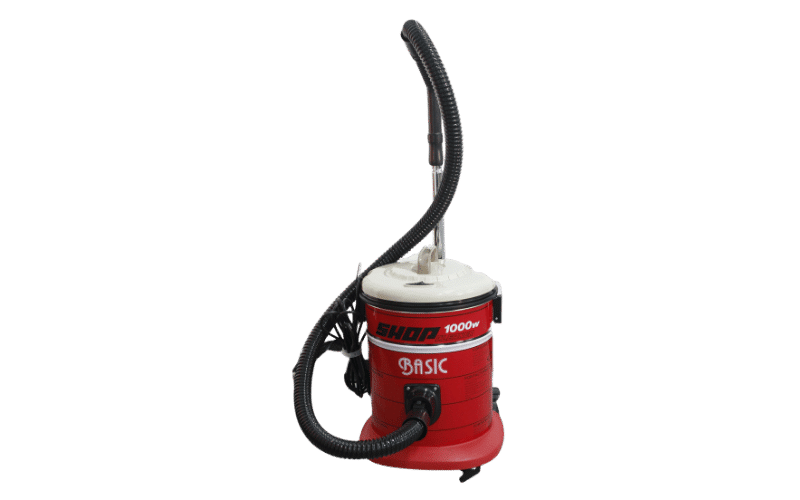
Industrial wet vacuums are fantastic for rapidly removing large volumes of liquid, chemical spills, or thick slurries. They prevent slip hazards immediately. Yet, like mops, vacuums do absolutely nothing to improve the physical texture or shine of the concrete surface itself. They are strictly for debris and moisture removal.
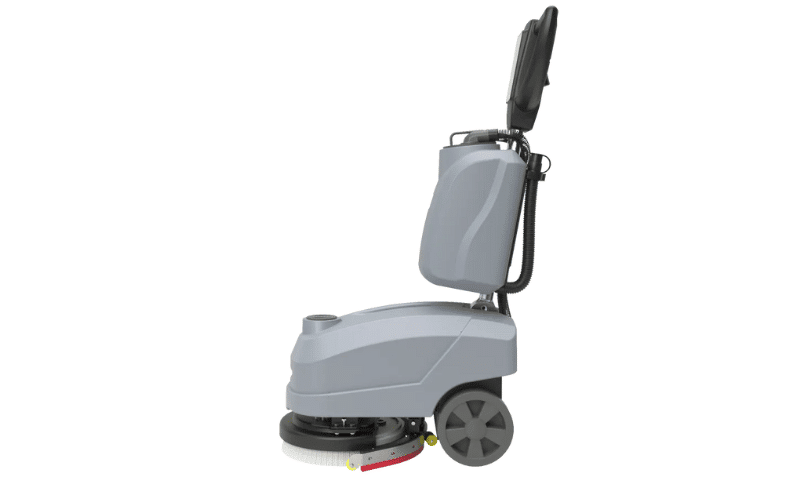
Walk-behind auto-scrubbers are the closest competitors to floor buffers. Scrubbers dispense soapy water, scrub the floor with a brush, and vacuum up the dirty water all in one pass. They are incredibly efficient for daily deep cleaning in massive commercial spaces. However, auto-scrubbers are significantly more expensive than standard buffers and are primarily designed for washing, not high-gloss polishing.
A concrete floor buffer bridges the gap by focusing specifically on surface restoration and aesthetic enhancement. While it cannot vacuum up standing water like an auto-scrubber or reach under tight desks like a mop, the buffer is entirely unmatched when your goal is to grind away imperfections, apply polishing compounds, and achieve a hardened, mirror-like finish. Ultimately, for the absolute best results, facility managers often use these methods in tandem: vacuuming loose debris first, mopping or auto-scrubbing to wash the surface, and finally using the concrete floor buffer to restore the floor’s brilliant, durable shine.
FAQ
What are the complaints about concrete floor buffers?
Common complaints about concrete floor buffers include their high upfront cost and the ongoing expense of replacing specialty buffing pads. Users frequently note that the machines are physically heavy and cumbersome, making them difficult to transport up stairs or store in small closets. The loud motor noise can be highly disruptive in quiet environments, and beginners often express frustration with the initial learning curve required to control the machine’s side-to-side swinging motion without losing their balance or damaging nearby walls.
What are the pros and cons of using a floor buffer?
Floor buffers offer a highly efficient way to restore shine, remove deep scratches, and greatly extend the durability of your concrete floors. They save immense amounts of time compared to manual scrubbing and adapt easily to different surfaces. However, they demand a notable upfront financial investment, require consistent mechanical maintenance, generate loud noise during operation, and cannot physically reach tight corners or stairs. Weighing these specific pros and cons helps determine if a buffer suits your facility’s exact needs.
How do concrete floor buffers work?
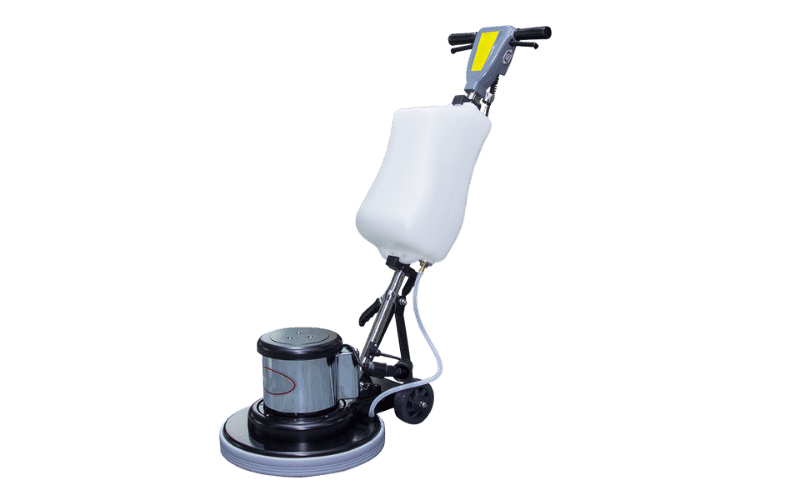
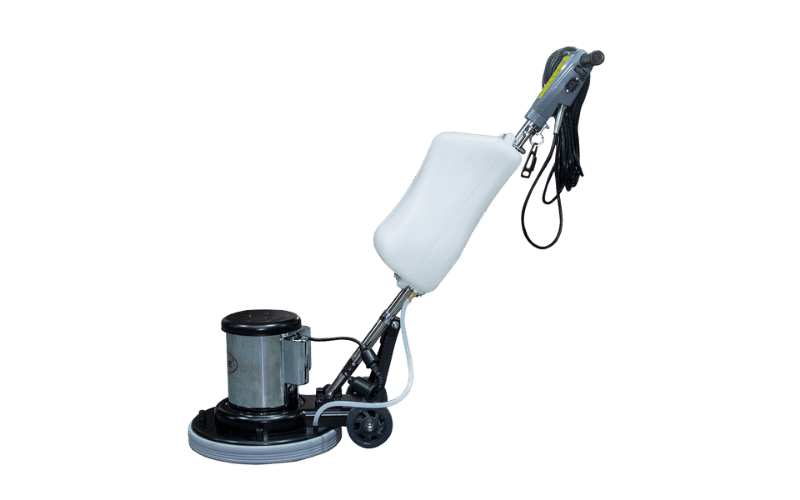
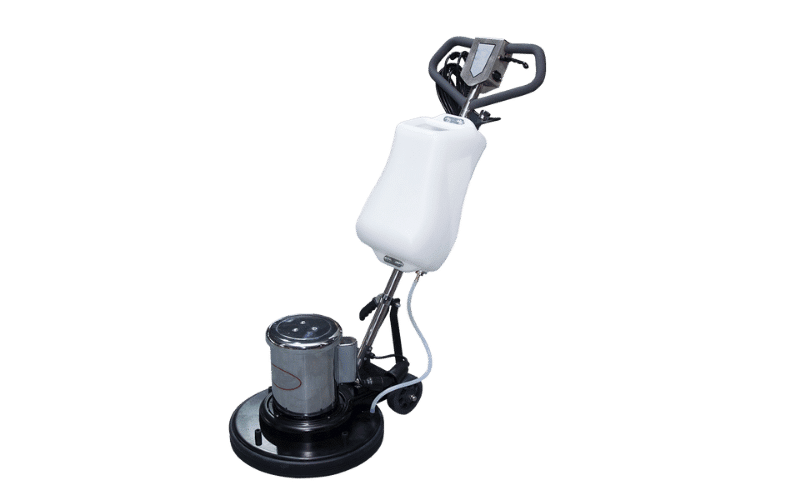
Concrete floor buffers use a heavy-duty electric motor to rapidly spin a large, circular pad block at the base of the machine. The operator attaches specific abrasive pads or soft polishing bonnets to this block. As the machine spins at high speeds, the pad generates intense friction and pressure against the concrete surface. This aggressive mechanical action smoothly grinds away microscopic dirt, levels out minor scratches, and polishes the concrete layer until it achieves a highly reflective, glossy finish.
How to choose a concrete floor buffer?
Choose a floor buffer by strictly evaluating your specific space and flooring goals. For massive, open warehouses, select a high-speed burnisher with a large pad diameter to cover ground quickly. For smaller, congested retail spaces, a standard 17-inch, dual-speed buffer offers better maneuverability. Always consider the motor’s horsepower, the machine’s overall weight, and the availability of compatible scrubbing or polishing pads. If noise is a major concern, explicitly look for models featuring vibration-damping and specialized quiet-run motors.
Should I invest in a floor buffer?
Deciding whether to invest in a floor buffer depends entirely on the size of your space and your aesthetic expectations. If you manage a large commercial facility, retail store, or industrial warehouse where clean, highly polished floors are essential for safety and brand image, a floor buffer is absolutely worth the long-term investment. However, if you only have a small, low-traffic residential garage, renting a machine annually or sticking to high-quality manual scrubbing tools may be much more financially practical.
Conclusion
Navigating the world of commercial floor maintenance does not have to be an overwhelming challenge. As we have explored, concrete floor buffers provide an incredibly powerful solution for transforming dull, damaged surfaces into highly durable, beautifully polished assets. By offering enhanced aesthetics, long-term cost savings, and remarkable versatility, these machines serve as a massive upgrade over traditional manual scrubbing methods.
However, it is equally important to acknowledge their distinct drawbacks, including the significant upfront cost, the need for mechanical maintenance, and the inherent physical limitations in tight spaces. Understanding how buffers operate and how they compare to alternative cleaning tools ensures you implement the most effective floor care strategy possible. Ultimately, whether you are managing a sprawling industrial complex or upgrading a residential workspace, weighing these pros and cons will help you make an informed, confident decision that keeps your concrete floors shining for years to come.