







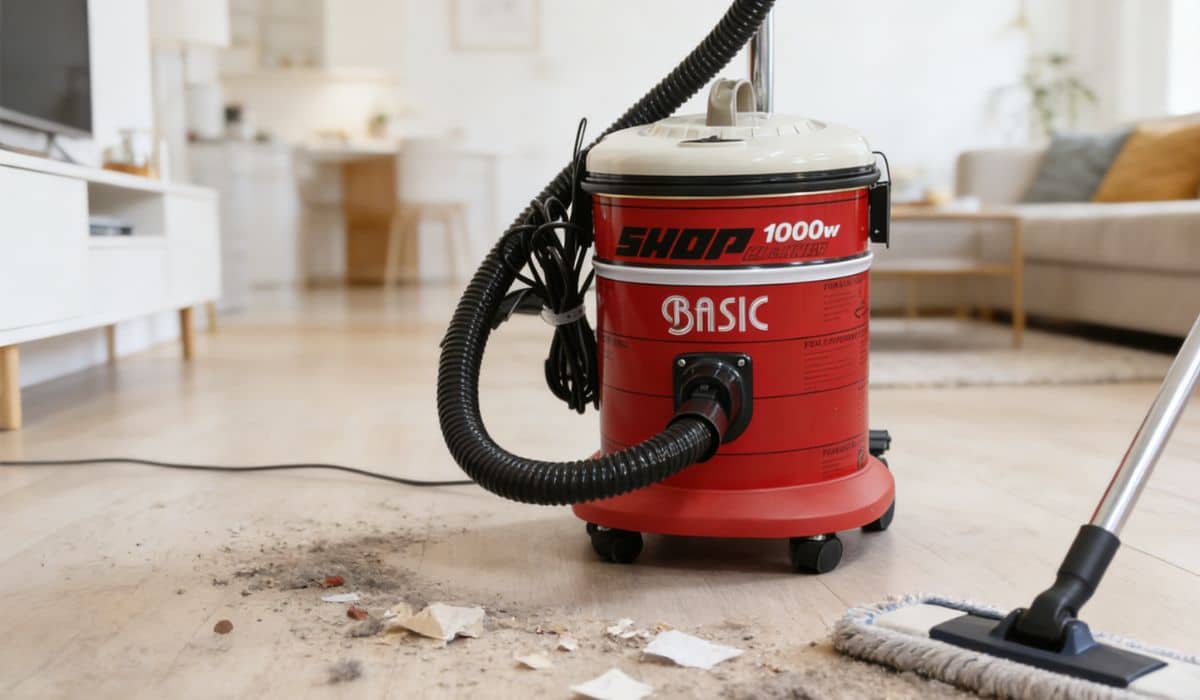
Imagine a home where deep cleaning isn’t a strenuous chore but a smooth, quiet, and highly effective process. Picture reaching under low furniture, cleaning stairs, and dusting curtains all with a single, powerful machine. This isn’t just wishful thinking; since canister vacuums became a household staple, they have offered a versatile, robust approach to cleaning. These unique devices separate the motor and dust container from the cleaning head, providing powerful suction in a nimble package. But is a canister vacuum the right choice for your home? What are its specific advantages and disadvantages? Before you decide on your next cleaning appliance, let’s explore the detailed pros and cons of canister vacuums to help you make an informed choice.
What Are The Pros of Canister Vacuums?
Canister vacuums offer distinct advantages, including exceptionally powerful suction, incredible versatility for whole-home cleaning, superior maneuverability, noticeably quiet operation, and highly effective filtration systems ideal for allergy sufferers.
Powerful Suction
Say goodbye to pushing a weak vacuum back and forth over the same spot and reclaim your confidence in a truly deep clean. Canister vacuums are renowned for their powerful suction capabilities. Because the motor is housed in a separate canister unit, manufacturers can fit larger, more robust motors compared to the compact designs of upright or stick vacuums. This results in significantly stronger airflow, which is essential for pulling deeply embedded dirt, pet hair, and allergens from thick carpets and area rugs. This immense power isn’t just for carpets; it also ensures that no dust or debris is left behind on hardwood floors, tile, or laminate, capturing fine particles from grout lines and floorboard cracks with ease. With a canister vacuum, you can trust that each pass is effective, leaving your floors spotless and saving you time and effort.
Versatility
One of the greatest strengths of a canister vacuum is its unmatched versatility. These vacuums are designed to be an all-in-one cleaning solution for your entire home, not just the floors. They typically come with a wide array of specialized attachments, such as a crevice tool for tight spaces, an upholstery brush for furniture and curtains, and a dusting brush for delicate surfaces. Because you only need to hold the lightweight wand and hose, you can easily clean areas that an upright vacuum can’t reach. This includes vacuuming staircases, reaching into ceiling corners to remove cobwebs, cleaning car interiors, and even vacuuming mattresses. The ability to switch effortlessly from a powerful floor head to a detailed attachment makes canister vacuums a comprehensive cleaning tool that can handle virtually any surface in your house.
Ease of Maneuverability
For those who find pushing a heavy upright vacuum to be a chore, canister vacuums offer a welcome sense of freedom and convenience. The design separates the heavy motor and dustbin into a canister that rolls behind you on wheels, so the only weight in your hand is the lightweight cleaning wand and hose. This makes it incredibly easy to navigate around furniture, under tables, and into tight corners without straining your back or arms. You can pivot and turn with minimal effort, making the cleaning process feel less physically demanding. The long hose provides an extended reach, allowing you to clean a large area from a single power outlet. This thoughtful design makes canister vacuums an excellent choice for people with mobility concerns or those who simply want a more comfortable and agile cleaning experience.
Quiet Operation
The noise of a vacuum cleaner can be a major disruption, especially in a home with sleeping children, pets sensitive to loud sounds, or family members working from home. Canister vacuums generally operate much more quietly than their upright counterparts. The reason for this is that the large motor is housed inside the canister body, which is often insulated to dampen sound. This design significantly reduces the loud, high-pitched whine that many people associate with vacuuming. The quieter operation allows you to clean your home at any time of day without disturbing the peace and quiet of your household. You can listen to music, a podcast, or even hold a conversation while you clean, making the task a more pleasant and less intrusive part of your daily routine.
Effective Filtration Systems
In an era where indoor air quality is a growing concern, canister vacuums offer a significant advantage for creating a healthier home environment. Many premium canister models are equipped with advanced filtration systems, including High-Efficiency Particulate Air (HEPA) filters. A true HEPA filter is designed to capture 99.97% of airborne particles as small as 0.3 microns, including common allergens such as pollen, dust mites, pet dander, and mold spores. The sealed-system design of many canister vacuums ensures that the air exhausted by the machine is cleaner than the air it took in. This makes them an exceptional choice for individuals with allergies or asthma, as they effectively trap and remove irritants from your living space rather than recirculate them back into the air.
What Are The Cons of Canister Vacuums?
Despite their powerful performance and versatility, canister vacuums have some notable drawbacks, including their bulky design, challenges with storage, often higher initial costs, and specific maintenance requirements for bags and filters.
Bulkiness and Storage Challenges
One of the most frequently cited disadvantages of canister vacuums is their somewhat cumbersome two-part design. While the separation of the canister and wand makes cleaning easier, it creates a bulkier overall package that can be challenging to store. Unlike a sleek upright or stick vacuum that can be tucked neatly into a narrow closet, a canister vacuum consists of the main body, a long hose, and a wand, all of which need to find a home. This can be particularly problematic for those living in smaller homes, apartments, or condos with limited storage space. You often need a dedicated, larger closet or a corner in a utility room to keep all the components organized, which can be an inconvenient trade-off for their cleaning power.
Higher Initial Cost
The powerful motors, advanced features, and versatile attachments that make canister vacuums so effective often come with a higher price tag. Generally, a high-quality canister vacuum is more expensive than many mid-range upright, stick, or handheld models. This upfront investment can be a significant consideration for budget-conscious consumers. While their durability and deep-cleaning performance can provide excellent long-term value, the initial cost can be a barrier to entry. Shoppers must weigh the immediate expense against the benefits of superior suction, multi-surface cleaning, and quieter operation to determine whether the investment aligns with their cleaning needs and financial situation. For those seeking a powerful, long-lasting cleaning appliance, the higher cost is often justified by the performance.
Maintenance Requirements
Just like any sophisticated appliance, canister vacuums require regular maintenance to perform at their best and ensure a long lifespan. Most canister models use disposable bags to collect dirt and debris, which need to be replaced when full. This represents an ongoing cost and the inconvenience of keeping a supply of bags on hand. In addition, the filters—especially HEPA filters—need to be cleaned or replaced periodically to maintain strong suction and effective air purification. The long hose can also occasionally become clogged with debris, requiring you to manually clear the obstruction to restore airflow. While these maintenance tasks are not overly difficult, they are more involved than simply emptying a bagless dustbin and require consistent attention from the user.
Limited Portability
While canister vacuums are easy to maneuver on a single level, their two-piece design can present a challenge when cleaning multi-story homes. Carrying the canister body in one hand while managing the hose and wand with the other can be awkward and cumbersome when going up or down stairs. Some users find it difficult to balance the unit on a stair step while cleaning. This lack of seamless portability between floors is a notable drawback compared to lightweight stick vacuums or even some upright models with lift-away features. If your home has multiple levels, you may find yourself wishing for a more integrated, single-unit design that is easier to transport. This physical limitation is an important factor to consider for anyone living in a townhome or a house with several floors.
Learning Curve
Although canister vacuums are not overly complex, their unique design does come with a slight learning curve for users accustomed to traditional upright vacuums. The main challenge is learning to manage the canister that rolls behind you. Inexperienced users may find that the canister occasionally bumps into furniture legs, gets caught on corners, or tips over if pulled too quickly around a sharp turn. It takes a bit of practice to develop a smooth rhythm and an awareness of where the canister is at all times. Mastering the art of guiding both the cleaning wand in front of you and the canister behind you is key to an efficient cleaning session. For some, this coordination can feel awkward at first, making the initial cleaning feel a bit clumsier than expected.
Canister Vacuums vs. Other Vacuum Types
When choosing a vacuum, it is essential to understand how canister models stack up against other popular types, such as upright, stick, and robotic vacuums. Each design offers a unique set of strengths and weaknesses suited for different homes and lifestyles.
Upright vacuums are the traditional workhorses of the vacuum world, known for their powerful, all-in-one design that excels at deep cleaning large areas of carpet. However, they are often heavy, loud, and lack the flexibility to clean stairs or above-floor surfaces easily. In contrast, a canister vacuum provides comparable, if not superior, suction power in a much more maneuverable package, offering the versatility to clean the entire home with various attachments.
Stick vacuums are the champions of convenience. They are lightweight, cordless, and perfect for quick cleanups and homes with limited storage. Their primary drawbacks are weaker suction and smaller dustbin capacities, making them less ideal for deep cleaning large homes, especially those with thick carpets. A canister vacuum offers a far more powerful and thorough clean, though it sacrifices the grab-and-go convenience of a stick model.
Robotic vacuums represent the ultimate in hands-off cleaning, autonomously navigating and cleaning your floors on a set schedule. They are perfect for daily maintenance. However, they lack the power for a truly deep clean, cannot handle stairs or upholstery, and often get stuck. A canister vacuum provides the manual control and powerful suction needed for tasks a robot cannot handle, making it a better choice for comprehensive, detailed cleaning sessions.
In essence, canister vacuums occupy a unique middle ground, combining the power of an upright with greater versatility and maneuverability, making them one of the most well-rounded options available.
FAQ
What are the complaints about canister vacuums?
Common complaints about canister vacuums often revolve around their bulky, two-piece design, which can make them difficult to store in small spaces. Some users find them cumbersome to carry up and down stairs. Other frequent issues include the ongoing cost and inconvenience of replacing disposable dust bags and filters, as well as the initial learning curve required to maneuver the rolling canister without it bumping into furniture or tipping over.
What are the pros and cons of canister vacuums?
Canister vacuums offer the primary pros of powerful suction for deep cleaning, excellent versatility with multiple attachments for whole-home use, and quiet operation. On the con side, they can be bulky to store, awkward to use on stairs, and often come with a higher initial price tag. Weighing these advantages and disadvantages is key to determining if a canister model is the right investment for your cleaning needs.
How do canister vacuums work?
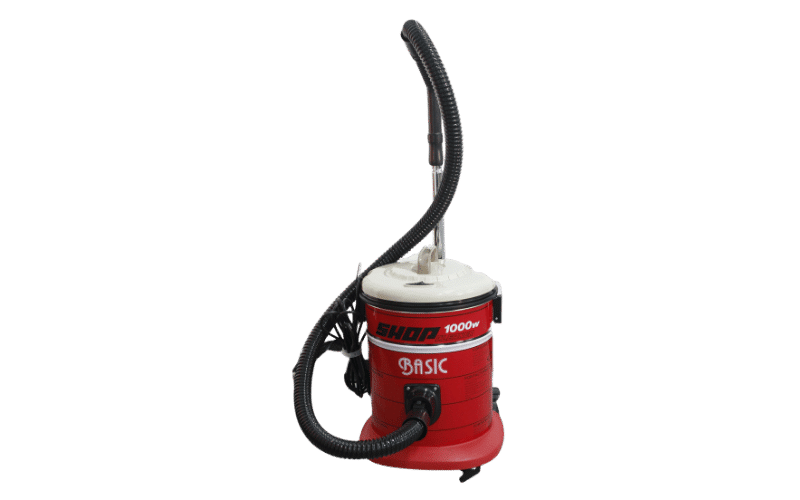
A canister vacuum houses a powerful motor and a dust-collection bag or bin within a compact, wheeled body (the canister). A long, flexible hose connects this main unit to a rigid cleaning wand and an interchangeable cleaning head. When turned on, the motor creates strong suction that pulls dirt and debris through the cleaning head, up the wand and hose, and into the dust bag inside the canister, while filtered air is exhausted from the unit.
How to choose a canister vacuum?
Choose a canister vacuum based on your specific flooring types and cleaning needs. If you have thick carpets, prioritize models with high suction power and a motorized brush head. For homes with mostly hard floors, a lighter model with a simple suction head will suffice. Also, consider features like HEPA filtration if you have allergies, the variety of included attachments, and whether you prefer a bagged or bagless design. Finally, check the unit’s weight and hose length to ensure it fits your home.
Should I invest in a canister vacuum?
Deciding whether to invest in a canister vacuum depends on your priorities. If you value powerful suction, quiet performance, and versatility for cleaning everything from floors to ceilings to upholstery, a canister vacuum is an excellent investment. It is particularly well-suited for homes with a mix of flooring types. However, if you live in a small apartment with limited storage or a multi-story home where portability is key, a more compact stick or upright vacuum might be a more practical choice.
Conclusion
Navigating the crowded market of cleaning appliances can feel complex, but understanding the core strengths and weaknesses of each type makes the decision much clearer. As we have explored, canister vacuums stand out as a premier choice for those seeking a powerful, versatile, and quiet deep-cleaning solution. By combining robust suction with an array of specialized attachments, they empower you to maintain a truly spotless home, from your carpets and hard floors to your curtains and furniture.
However, it is equally important to be mindful of their potential drawbacks, including their bulkiness during storage, the challenge of using them on stairs, and their higher initial cost. By honestly assessing your home’s layout, storage space, and cleaning priorities, you can determine whether the superior performance of a canister vacuum is the right fit for you. Ultimately, weighing these pros and cons will guide you toward making an informed, confident decision that will keep your entire living space impeccably clean for years to come.