







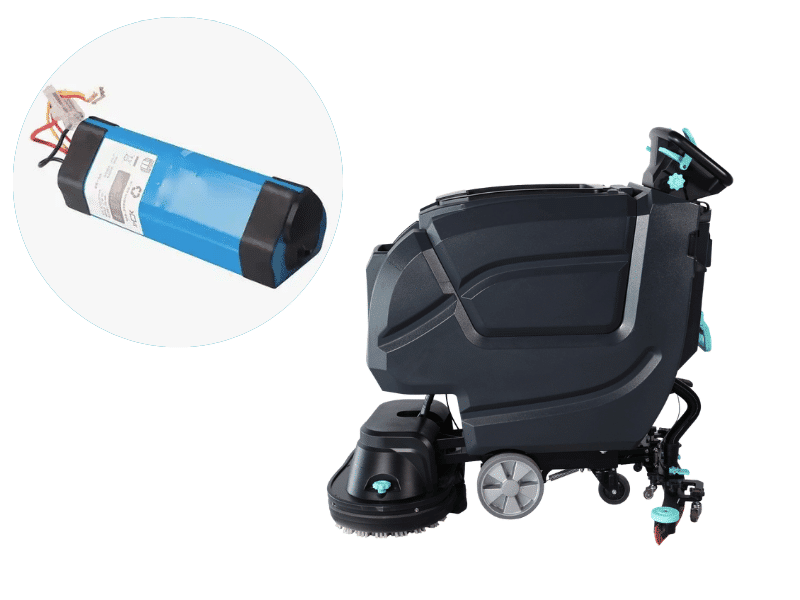
The battery is the single biggest factor in how long, how reliably, and how affordably your floor scrubber runs. Choose the wrong floor scrubber battery, and you face short runtimes, frequent downtime, and costs that pile up shift after shift. Choose well, and your machine cleans more square footage, powers through full shifts without interruption, and lasts for years before replacement. That makes the battery a core operational decision, not an afterthought you settle at the end of a purchase.
At Leadv, we see the same pattern across warehouses, factories, retail sites, hospitals, and schools: the battery quietly decides whether a fleet runs smoothly or stalls. This guide walks through 10 considerations that shape a smart choice—battery types, runtime, charging, maintenance, compatibility, safety, cost, lifespan, charging conditions, and the common mistakes to avoid. Work through them in order, and the right battery becomes clear.
1. Battery Type: Lead-Acid vs Lithium
Battery chemistry is the foundational decision because it shapes runtime, maintenance, cost, and lifespan all at once. Get this right, and most other choices fall into place—it’s the question we help buyers settle first. The main floor scrubber battery types fall into three families, each suited to a different budget and workload.
Flooded Lead-Acid Batteries
Flooded lead-acid delivers the lowest upfront cost and a long, proven track record. The tradeoff is upkeep: these batteries need regular watering and a ventilated charging area to stay safe and healthy. They suit budget-driven, lower-use sites where staff can commit to a routine.
Sealed / AGM Lead-Acid Batteries
AGM batteries are maintenance-free and spill-resistant, sitting in the mid-range on price. They skip the watering routine of flooded cells, which cuts labor. The catch is a shorter cycle life than lithium, so high-use fleets replace them sooner.
Lithium-Ion Batteries
A lithium floor scrubber battery delivers the longest lifespan, fast and opportunity charging, no watering, and a lighter weight. The upfront cost runs higher, but the performance and minimal upkeep often justify it. This is the strongest option for heavy-duty or multi-shift operations that can’t afford downtime.
Quick Comparison Table
Here’s how the three chemistries stack up across the factors that drive a buying decision.
| Battery Type | Upfront Cost | Maintenance | Lifespan | Charging | Best Use |
|---|---|---|---|---|---|
| Flooded lead-acid | Low | High (watering) | Shorter | Slow, full cycles | Budget, low-use sites |
| AGM lead-acid | Medium | Low | Moderate | Slow, full cycles | Low-maintenance, mid-use |
| Lithium-ion | High | Very low | Longest | Fast, opportunity | Heavy, multi-shift use |
2. Runtime and Capacity Needs
Runtime depends on three factors: battery capacity (measured in amp-hours), the scrubber’s power draw, and the area cleaned per session. Undersize the battery, and your team hits mid-shift charging breaks that stall cleaning schedules. Oversizing it means you’ve spent more than needed, adding weight that slows the machine. The floor scrubber battery runtime you need should map directly to your real cleaning workload, not a rough guess.
Start by estimating your daily cleaning hours, then match them to the battery’s rated runtime and add a margin for aging cells and tougher conditions. Lithium often delivers more usable capacity than its rated capacity suggests because lead-acid batteries lose efficiency as they discharge. Sizing capacity correctly is the simplest way to cut the downtime that quietly drains productivity.
3. Charging Method and Charge Time
How—and how fast—a battery charges directly affects machine availability across your shifts. A battery that takes hours to recharge sidelines a scrubber for much of the day, while a fast-charging pack keeps the machine working when you need it. For multi-shift sites, this is often where Leadv helps buyers rethink their setup.
Conventional vs Fast Charging
Lead-acid batteries need long, full charge cycles plus a cool-down period before they’re ready again. Lithium supports faster charging and shorter sessions, returning the machine to service sooner. For single-shift operations, the gap is minor, but for busy sites, it matters a great deal.
Opportunity Charging
Lithium allows quick top-ups during breaks and lunch periods without harming its lifespan. That flexibility keeps multi-shift operations running almost continuously. Lead-acid behaves differently—frequent partial charging degrades it faster, so it really needs full, scheduled charge cycles to last.
4. Battery Maintenance Requirements
Maintenance demands vary sharply by chemistry, and they translate directly into labor costs and safety risks. Fleets we work with often underestimate the watering labor that flooded batteries quietly add up over a year. Knowing the upkeep before you buy protects the runtime and lifespan you paid for.
Watering and Cleaning
Flooded lead-acid batteries need regular topping with distilled water plus periodic terminal cleaning. Skip this routine, and the battery’s life shortens fast, sometimes dramatically. AGM and lithium batteries require little to no watering, removing a recurring task from your team’s schedule.
Monitoring and Storage
Whatever the chemistry, monitor charge levels and avoid the deep discharges that stress the cells. Store batteries properly when machines sit idle, keeping them charged and in a stable environment. These simple habits extend battery life and hold performance steady over time.
5. Compatibility With Your Scrubber
A battery must match your scrubber’s voltage, size, connector, and tray dimensions to work safely. Compatibility sounds obvious, yet mismatches are a common and costly mistake. Confirm the fit before you commit to any purchase.
Voltage and Capacity Match
Check that the battery voltage matches the machine’s requirement, whether that’s 24V or another rating, and that the amp-hour capacity suits your runtime needs. A mismatch here can damage the machine or leave it underpowered. The spec sheet is your first reference point.
Physical Fit and Connectors
Verify the battery compartment size, the machine’s weight limits, and the connector type before buying. Retrofitting lithium into a machine built for lead-acid usually means you’ll need a compatible charger too. Confirming the physical and charger fit avoids returns and downtime.
6. Safety Considerations
Battery safety protects your staff, your equipment, and your facility—and it carries extra weight in enclosed or sensitive sites like hospitals and schools. A safe setup is part of a smart purchase, not an optional add-on.
Ventilation and Off-Gassing
Flooded lead-acid batteries release hydrogen gas during charging, so they require a properly ventilated charging area. Without it, that buildup becomes a real hazard. Sealed AGM and lithium batteries greatly reduce this risk, which simplifies your charging space planning.
Handling and Certification
Batteries are heavy, and lead-acid adds the risk of acid spills, so safe handling procedures matter. For lithium packs, look for recognized safety certifications that confirm the cells and management system meet established standards. Certified, well-built batteries reduce risk across their whole service life.
7. Total Cost of Ownership
The cheapest battery upfront rarely stays the cheapest over its life. Once you count charging, maintenance, replacements, and downtime, the picture often flips. Thinking in lifetime terms is exactly where Leadv steers buyers toward fewer surprises and a more predictable budget.
Upfront vs Lifetime Cost
Lead-acid batteries cost less to buy but typically require more replacements and more labor over the years. Lithium costs more upfront but lasts longer with far less upkeep. For a high-use fleet, the lithium math often comes out ahead despite the higher sticker price.
Hidden Costs to Factor In
Look beyond the purchase price to the costs hidden in daily operations. These include energy use, the labor hours spent watering flooded batteries, downtime while a machine waits to recharge, and eventual disposal. Counting these gives you a true comparison between options.
8. Battery Lifespan and Cycle Life
Lifespan is measured in charge cycles, not just calendar years, and chemistry largely determines it. Lithium typically delivers far more cycles than lead-acid batteries, which is why it lasts longer in demanding use and helps protect fleet uptime. Depth of discharge, charging habits, and operating temperature all influence how long any battery survives.
To estimate real replacement intervals, compare a battery’s rated cycle life against your daily usage pattern. A site that charges once a day reaches its battery’s cycle limit far more slowly than one that charges twice a shift. For high-use fleets, weighing longer-lasting options up front makes replacement planning easier and keeps your machines reliable for years.
9. Charging Environment and Temperature
The space where you charge and store batteries shapes their performance, safety, and lifespan. A battery kept in the right conditions simply lasts longer and works better. Plan this environment alongside the battery itself.
Temperature Effects
Extreme heat and cold both reduce capacity and accelerate wear. Lithium tolerates a wider temperature range than lead-acid, but it still has limits worth respecting. If your facility runs hot or cold, factor that into your choice of chemistry and storage plan.
Charging Space and Ventilation
Set aside a safe, ventilated, and accessible area for charging. Flooded lead-acid batteries require strong ventilation for off-gassing, while sealed and lithium-based types are more forgiving. Planning this space in advance keeps charging convenient and compliant.
10. Common Mistakes to Avoid
Avoiding a few recurring errors saves money and prevents the downtime that frustrates facility teams. Keep this checklist handy as you weigh your options.
Mistakes Checklist
- Choosing on price alone, ignoring lifetime cost. The lowest sticker price often hides higher long-term spend on replacements, labor, and downtime. Always compare the total cost of ownership.
- Undersizing the capacity for the cleaning workload. A battery that can’t finish a shift forces mid-day charging breaks and stalls your schedule.
- Mismatching the battery to the scrubber’s specs. The wrong voltage, size, or connector can damage the machine or leave it unusable. Confirm compatibility first.
- Neglecting maintenance and proper charging habits. Skipped watering, deep discharges, and partial charging on lead-acid batteries all shorten lifespan.
- Overlooking charging space, ventilation, or safety. A poor charging setup creates hazards and shortens battery life, especially for flooded lead-acid.
How to Choose the Right Floor Scrubber Battery
Knowing how to choose a floor scrubber battery comes down to bringing these 10 considerations into a single, clear decision-making process. Work through them in order, and the right answer usually becomes obvious.
Step-by-Step Selection Framework
- Confirm machine compatibility. Verify voltage, capacity, connector, and physical fit before anything else.
- Estimate your runtime needs. Match daily cleaning hours to rated runtime, with a margin to spare.
- Choose your chemistry. Weigh lead-acid against lithium based on your workload and budget.
- Check charging and shift pattern. Make sure the charge time and method fit how your team works.
- Assess maintenance and safety. Decide how much upkeep your team can realistically handle.
- Weigh the total cost of ownership. Compare lifetime cost, not just the upfront price.
Working With Leadv
A reliable battery partner makes this far easier. Look for compatibility guidance, quality cells, charger support, and a solid warranty. Leadv helps buyers match the right battery to their fleet, so your machines stay productive and your costs stay predictable.
Learn More about Our Cleaning Power Solution
Conclusion and Final Recommendations
The right floor scrubber battery balances runtime, maintenance, safety, lifespan, and total cost for your specific operation—not just the lowest sticker price. The choice of chemistry drives most of these outcomes, so it deserves your attention before you buy. Get the battery right, and the whole machine performs better, shift after shift, with fewer hours of downtime and lower labor costs.
As a rule of thumb, high-use and multi-shift fleets often favor lithium for its long life and fast charging, while lower-use or budget-conscious sites may do well with lead-acid. Before you commit, verify compatibility and charging needs against your real conditions. Tell us your scrubber model, daily cleaning hours, and shift pattern, and Leadv will recommend the right battery for your fleet—with compatibility guidance and warranty support.