




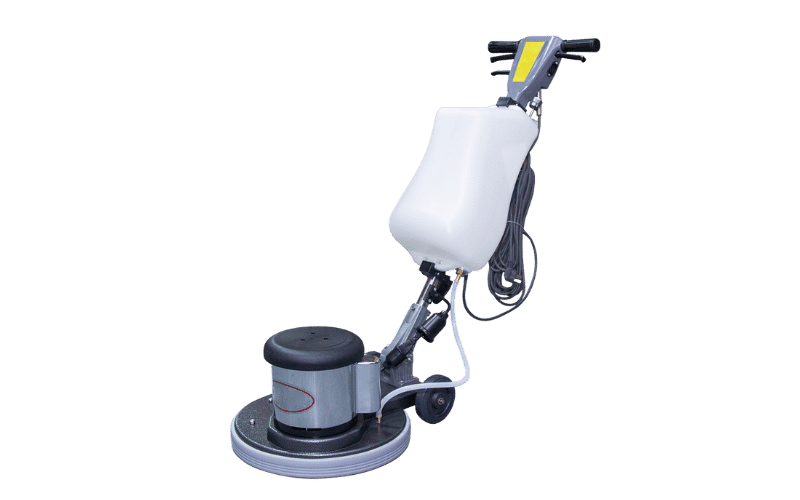



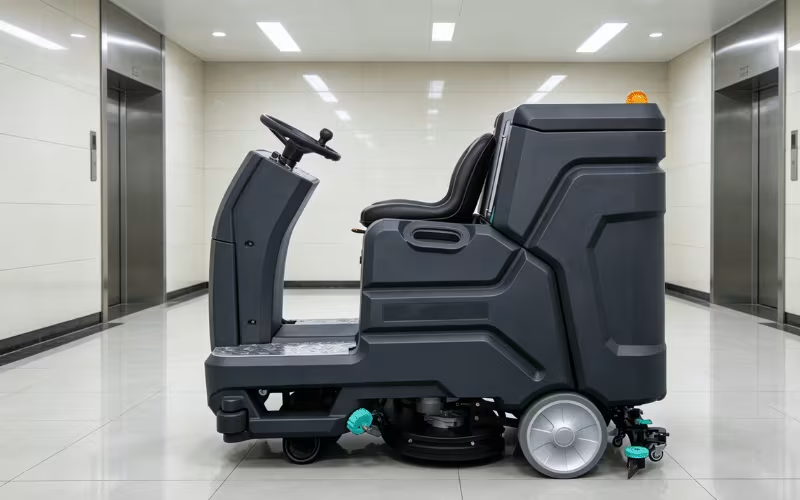
Maintaining clean and safe floors remains a top priority for any commercial or industrial facility. Choosing the right floor scrubber makes a massive difference in how effectively your team manages this crucial task. Heavy foot traffic, persistent grime, and strict safety regulations demand powerful cleaning solutions that manual mopping simply cannot provide. Investing in the proper equipment ensures your floors stay spotless while protecting visitors and employees from hazardous slips and dangerous falls.
Navigating the wide variety of available machines often feels overwhelming for facility managers and business owners. To simplify your purchasing journey, this guide outlines 10 key factors to consider before buying a floor scrubber. From understanding power sources to evaluating facility constraints, we will break down everything you need to know. By the end of this article, you will possess the knowledge required to make a confident, highly informed decision for your workspace.
1. How Can a Floor Scrubber Help You?
Floor scrubbers dramatically improve your overall cleaning efficiency by automating the most labor-intensive aspects of floor maintenance. Traditional mops push dirty water around, leaving streaks and requiring constant bucket changes. In contrast, a mechanical scrubber uses a continuous flow of clean water and powerful rotating brushes to instantly lift stubborn dirt. A built-in vacuum system then sucks up the soiled water, leaving the floor immediately dry and ready for foot traffic. This streamlined process significantly reduces your labor costs, allowing your cleaning staff to cover massive square footage in a fraction of the time. Furthermore, these machines guarantee highly consistent, professional results across your entire facility, completely eliminating the spotty performance often associated with exhausted manual labor.
Beyond pure efficiency, utilizing a floor scrubber delivers remarkable benefits for your facility’s hygiene and environmental footprint. These machines operate with precise solution-control systems, drastically reducing your overall water and chemical consumption compared to traditional mop-and-bucket methods. This eco-friendly approach lowers your utility bills while minimizing the release of harsh detergents into the environment. Most importantly, a commercial floor scrubber significantly enhances workplace safety. Because the powerful squeegee and vacuum system immediately removes moisture, you completely eliminate the lingering wet spots that typically cause dangerous slip-and-fall accidents. Removing deeply embedded grime and bacteria also improves the overall indoor air quality and hygiene of your building, creating a much healthier environment for your dedicated staff and valued customers.
2. Types of Floor Scrubbers
a. Walk-Behind Floor Scrubbers
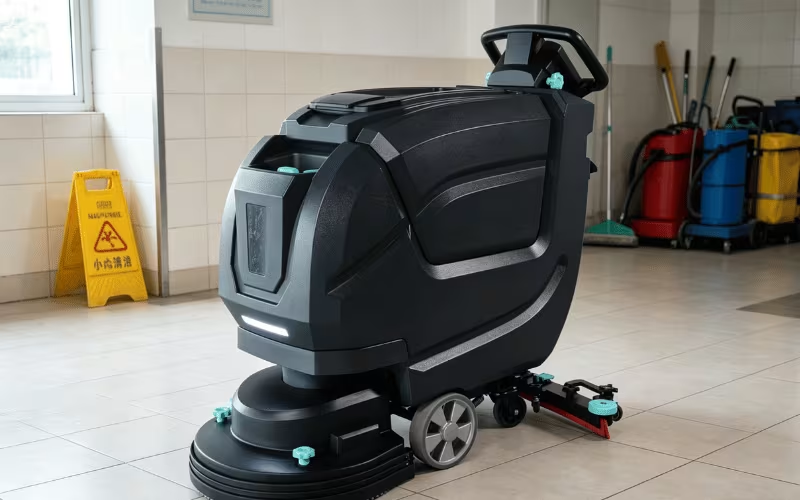
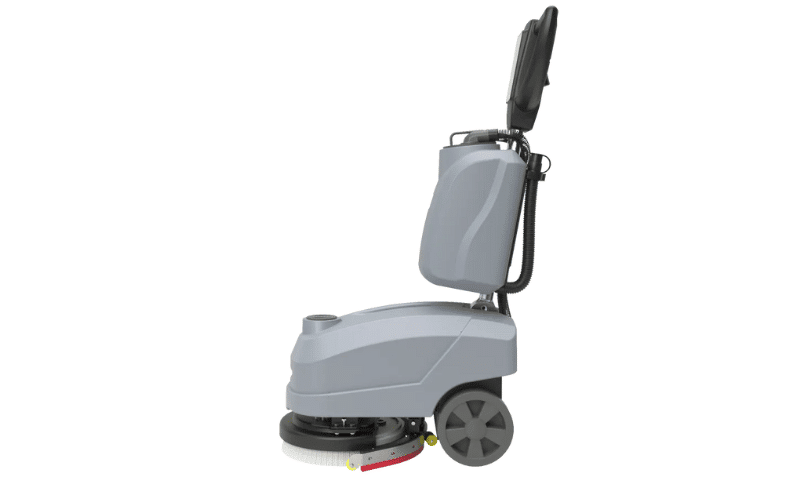
Walk-behind floor scrubbers represent the most popular choice for maintaining small to medium-sized commercial spaces. The operator easily guides the machine from behind, relying on the scrubber’s motorized traction to move forward smoothly. These units feature a highly compact design, allowing them to navigate through standard doorways, narrow retail aisles, and moderately congested areas with ease. They offer an incredible balance of affordability and robust cleaning power, making them a staple for schools, supermarkets, and local gyms. Because they boast simple, intuitive controls, new employees can learn to operate walk-behind scrubbers quickly, ensuring your maintenance routine remains highly productive.
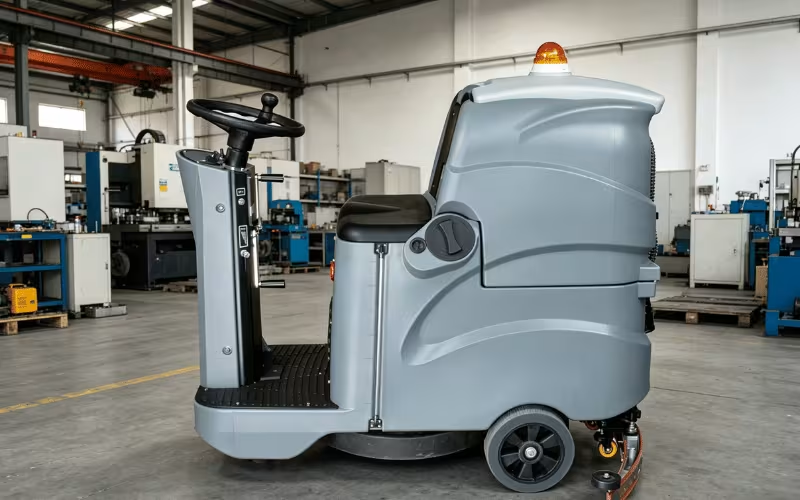
Ride-on floor scrubbers deliver massive cleaning power specifically designed for exceptionally large commercial and industrial environments. The operator sits comfortably on top of the machine, steering it with a steering wheel and foot pedals similar to those of a small vehicle. This design drastically reduces operator fatigue, allowing your staff to clean expansive warehouses, airport terminals, and massive shopping malls for hours without physical exhaustion. Because they hold larger solution tanks and utilize wider scrub decks, ride-on models clean vast square footage exponentially faster than walk-behind units. This rapid cleaning speed maximizes your labor efficiency and overall return on investment.
c. Robotic Floor Scrubbers
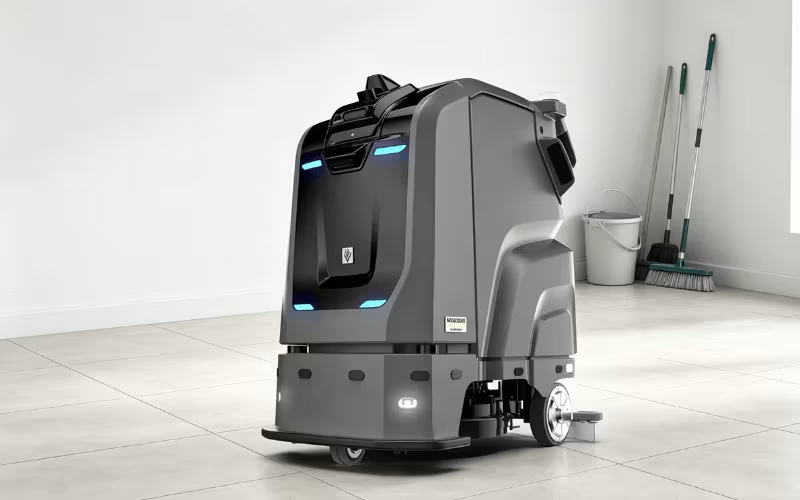
Robotic floor scrubbers introduce cutting-edge automation to your daily facility maintenance routine. These autonomous machines utilize advanced sensors, artificial intelligence, and complex navigation systems to map your building and clean the floors entirely on their own. By deploying a robotic scrubber, you free up your custodial staff to focus on high-value, detail-oriented tasks such as sanitizing restrooms and wiping down touchpoints. While they command a significantly higher initial purchase price, the long-term labor savings make them an incredibly smart investment for forward-thinking businesses. They provide consistent, highly reliable cleaning operations, even during overnight shifts when human staff is unavailable.
d. Compact or Handheld Scrubbers
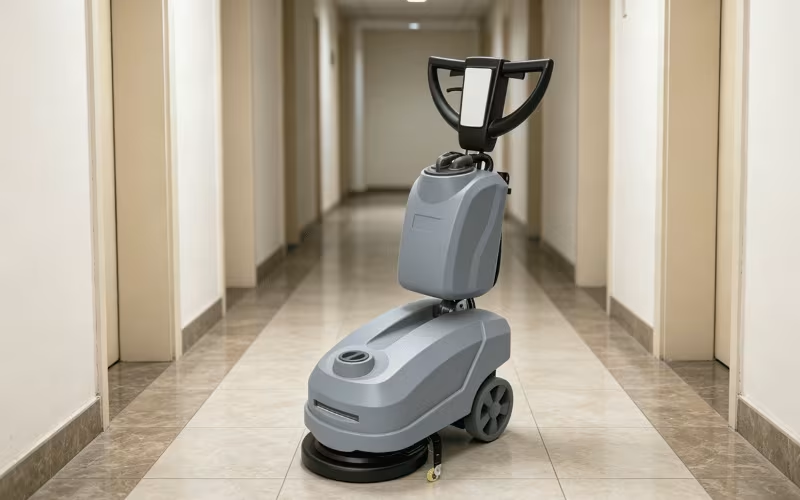
Compact or handheld floor scrubbers provide the ultimate solution for tackling tight spaces and hard-to-reach areas. Unlike their larger counterparts, these nimble machines easily maneuver under tables, around intricate architectural pillars, and deep into sharp corners. They prove incredibly useful for detailed cleaning tasks in heavily congested environments like crowded restaurant dining rooms, small office breakrooms, or cramped public restrooms. Despite their miniature size, they pack enough mechanical scrubbing power to lift deeply ingrained dirt from grout lines and textured tiles. Incorporating a compact scrubber into your fleet ensures that every single inch of your facility receives a thorough cleaning.
3. Mechanical vs. Battery-Powered Floor Scrubbers
Choosing the right power source for your floor scrubber is a critical decision that impacts your daily operations. Mechanical, corded scrubbers plug directly into a standard electrical outlet, providing you with unlimited, uninterrupted runtime. You never have to worry about a dying battery in the middle of a massive cleaning job. However, the physical power cord severely limits your mobility and maneuverability. Operators must constantly manage the cord to avoid tripping hazards or tangling around furniture. Conversely, battery-powered scrubbers offer total freedom of movement, allowing your staff to clean anywhere in the facility without hunting for an electrical socket. This incredible flexibility makes battery-powered units the preferred choice for busy, high-traffic environments where cords pose a serious safety risk.
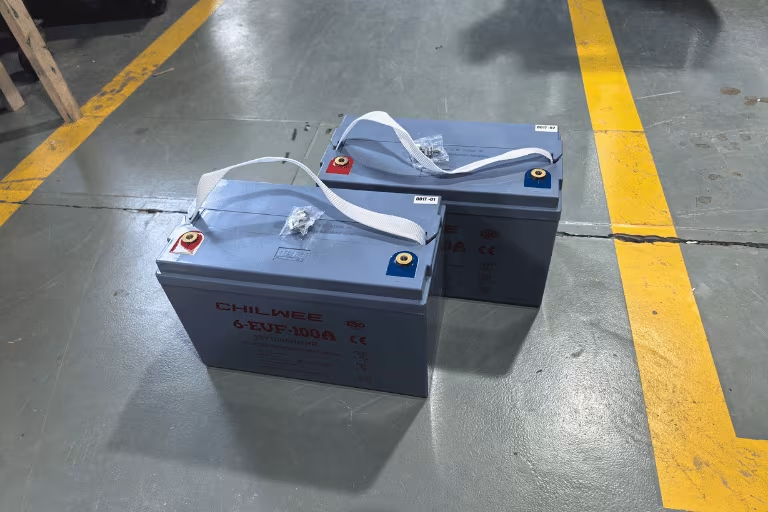
When selecting a battery-powered floor scrubber, you must carefully evaluate key performance factors like maximum runtime, charging cycles, and overall battery lifespan. Standard lead-acid batteries provide reliable power but require regular maintenance and proper ventilation during their lengthy charging periods. Modern lithium-ion batteries cost more upfront but deliver vastly superior performance. They charge significantly faster, run longer on a single charge, and require absolutely no daily maintenance. You must ensure the scrubber’s runtime perfectly matches your facility’s size; otherwise, your staff will waste valuable hours waiting for the machine to recharge mid-shift. Understanding your facility’s specific cleaning schedule helps you choose the optimal battery configuration to maintain maximum productivity and minimize unnecessary downtime.
4. Can Your Facility Support a Floor Scrubber?
a. Floor Type
The specific type of flooring in your facility dictates the exact features your new scrubber must possess. Delicate hardwood or polished marble requires soft, non-abrasive cylindrical brushes and gentle down-pressure settings to prevent costly scratching. Conversely, rough concrete warehouses or deeply textured ceramic tiles require aggressive disc brushes and high-pressure scrubbing to remove dirt from deep crevices. Matching the brush type to your flooring guarantees maximum cleanliness without causing irreversible surface damage.
b. Space Constraints
You must carefully analyze the physical size and layout of your facility before purchasing any cleaning equipment. A massive ride-on scrubber will prove completely useless if it cannot fit through your standard interior doorways or navigate around narrow grocery aisles. Measure your tightest corridors and sharpest corners, then compare those dimensions against the machine’s turning radius and total width. Choosing a properly sized unit ensures smooth operation without damaging your walls or inventory.
c. Water and Drainage Access
Floor scrubbers require consistent access to clean water and a proper disposal area for massive volumes of dirty wastewater. You must verify that your facility features accessible utility sinks or dedicated janitorial closets equipped with high-capacity floor drains. If your building lacks convenient filling and emptying stations, your cleaning staff will waste an enormous amount of time transporting heavy buckets across the property, completely negating the efficiency benefits of your new machine.
d. Noise Levels
Operating a heavy-duty floor scrubber generates noticeable noise that can easily disrupt your normal business operations. If you manage a noise-sensitive environment such as a bustling hospital, a quiet library, or an active primary school, you must prioritize machines engineered for whisper-quiet performance. Many modern scrubbers feature specialized acoustic dampening technology or dedicated eco-modes that significantly reduce the vacuum motor’s decibel output, allowing your staff to clean during daytime hours without disturbing anyone.
5. Avoiding Installation and Setup Pitfalls
Purchasing a high-quality floor scrubber only solves half of your maintenance challenges; proper setup and comprehensive training remain essential for success. Common setup issues often include improper squeegee assembly, incorrect brush installation, or a complete lack of operational training for the cleaning staff. When employees do not understand how to properly mix cleaning solutions or adjust the machine’s water flow, they create massive messes, damage the flooring, and ultimately break the expensive equipment.
To completely avoid these frustrating pitfalls, you must prioritize clear instructional guidance and leverage professional installation services whenever possible. Many reputable equipment distributors offer comprehensive on-site training sessions delivered by certified technicians. These experts will demonstrate proper startup procedures, explain daily maintenance requirements, and teach your staff to operate the machine safely. Investing time in proper operational training drastically reduces user error, extends the lifespan of your scrubber, and maximizes your ROI.
Guaranteeing a smooth setup process starts long before the machine arrives at your loading dock. Request a thorough pre-installation site assessment from your vendor. They will evaluate your floors, identify potential navigation hazards, and ensure your facility possesses the electrical infrastructure needed to support specialized battery chargers.
6. Maintenance and Durability
Committing to a strict, daily maintenance routine represents the most effective way to protect your floor scrubber investment and ensure optimal performance. Neglecting basic upkeep quickly leads to foul odors, reduced suction power, and catastrophic mechanical failures. Your cleaning staff must meticulously clean the squeegee blades and rinse the recovery tank after every use to prevent hazardous bacterial buildup. Furthermore, operators must regularly inspect the scrubbing brushes for tangled debris, check the battery water levels, and clean the internal solution filters. Implementing a documented maintenance log holds your team accountable and ensures these vital tasks never fall through the cracks, keeping your machine running perfectly day after day.
Beyond daily maintenance, the fundamental durability of the machine’s construction dictates its ultimate lifespan in a challenging commercial environment. You must actively look for floor scrubbers built with heavy-duty materials designed to withstand inevitable impacts. High-density rotational-molded plastic tanks resist cracking and fading, while solid steel frames prevent internal components from shifting during operation. A robust, well-constructed machine easily shrugs off accidental collisions with doorframes or warehouse racking. While these premium, highly durable scrubbers often require a larger initial financial outlay, they save you thousands of dollars over time by drastically reducing your frequency of emergency repairs and completely eliminating the need for premature equipment replacement.
7. Choosing the Right Size and Capacity
Selecting the perfect floor scrubber size depends entirely on your facility’s total square footage and the frequency of your cleaning routine. Buying an undersized machine for a massive warehouse forces your staff to work grueling, extended shifts just to complete a basic cleaning pass. Conversely, purchasing an oversized ride-on unit for a small retail boutique wastes money and creates severe navigation headaches. You must calculate your total cleanable square footage and cross-reference it with the manufacturer’s stated cleaning rate, usually measured in square feet per hour. This simple mathematical approach ensures you purchase a machine capable of maintaining your entire building efficiently without overburdening your dedicated custodial team.
Alongside the machine’s physical footprint, you must carefully evaluate the internal tank capacity for both clean water and recovered dirty water. A floor scrubber with a tiny solution tank requires operators to stop cleaning constantly, drive back to the janitorial closet, and perform time-consuming dump-and-fill cycles. These constant interruptions destroy your labor efficiency and frustrate your cleaning staff. By choosing a scrubber with a high-capacity tank that perfectly matches the scale of your workspace, you allow your team to clean massive areas in a single, uninterrupted pass. Maximizing the time spent actually scrubbing the floor directly improves your operational productivity and ensures a higher standard of cleanliness.
8. Key Features to Look For
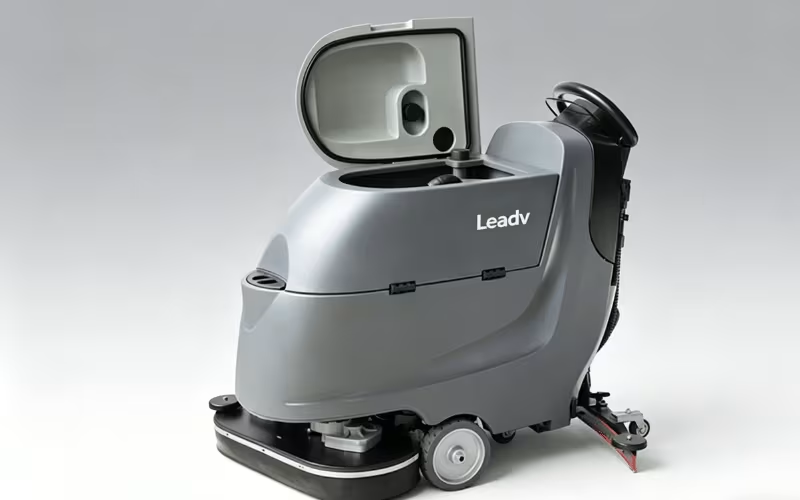
Modern floor scrubbers come equipped with an impressive array of features designed to maximize operational efficiency and user comfort. You should prioritize machines that offer easily adjustable brush pressure, allowing the operator to increase scrubbing power seamlessly when tackling heavily soiled areas. Multiple specialized cleaning modes help conserve water and battery life during lighter daily maintenance passes. Furthermore, ergonomic controls play a vital role in preventing operator fatigue. Look for intuitive, color-coded control panels, comfortable steering mechanisms, and highly adjustable control handles that accommodate users of all heights, ensuring your staff remains comfortable and productive.
Advanced technological features significantly elevate the performance and sustainability of your new floor scrubber. Automated navigation systems allow robotic units to clean complex environments with zero human intervention. Water recycling filtration systems continuously purify and reuse the dirty water, dramatically extending your continuous runtime while slashing your environmental impact. Additionally, digital monitoring systems provide facility managers with real-time data regarding machine usage, battery health, and upcoming maintenance requirements.
You must never overlook the critical importance of integrated safety features when selecting industrial cleaning equipment. High-traction, anti-slip polyurethane wheels guarantee the heavy machine maintains perfect grip on freshly scrubbed, wet surfaces. Highly visible emergency stop buttons allow the operator to instantly shut off power in dangerous situations. Bright LED safety beacons and automated backup alarms prevent severe accidents in busy, high-traffic warehouse environments.
9. Preventing Common Issues
Even the highest-quality floor scrubbers occasionally experience frustrating operational issues, but understanding how to address them helps keep your facility looking pristine. Uneven cleaning patterns typically indicate severely worn brushes or incorrect down-pressure settings, which you can fix by simply replacing the pads and adjusting the tension dial. If the machine leaves annoying streaks of dirty water behind, you likely have a torn squeegee blade or a clogged vacuum hose. Wiping the blade clean and clearing the debris from the vacuum intake usually restores perfect suction instantly. Addressing these minor hiccups promptly prevents them from escalating into major problems.
Proactively preventing these common problems saves your business a tremendous amount of time and money. The absolute best prevention strategy involves conducting rigorous, scheduled inspections of the machine’s primary wear parts, including the squeegees, brushes, and internal filters. Replacing these inexpensive consumables before they fail completely ensures your scrubber always operates at peak performance. Furthermore, providing continuous, comprehensive operator training guarantees your staff knows exactly how to handle the equipment properly. When employees understand the mechanics of the machine, they can easily avoid rough handling and improper chemical mixing that typically cause catastrophic equipment failure.
10. Cost and Budget Considerations
Determining your true budget requires a thorough understanding of the initial purchase costs associated with different types of floor scrubbers. Small, corded walk-behind units represent the most affordable entry point, typically ranging from $1,500 to $3,500. Mid-sized, battery-powered walk-behind machines offer greater flexibility and generally cost between $4,000 and $8,000. If your massive facility demands a powerful ride-on scrubber, you must prepare for a significant capital investment, as these heavy-duty machines easily run from $10,000 to over $25,000. Fully autonomous robotic scrubbers represent the peak of cleaning technology and can command prices well exceeding $50,000.
You must calculate the hidden, ongoing expenses associated with owning a floor scrubber to build an accurate, long-term financial budget. Beyond the initial sticker price, you will incur regular costs for preventative maintenance programs, replacement batteries, and emergency mechanical repairs. Furthermore, you must continuously purchase essential consumables like heavy-duty scrubbing pads, replacement squeegee blades, and specialized low-foaming commercial detergents. Failing to account for these unavoidable operating expenses often leads to extreme budget shortfalls, leaving facility managers unable to afford the parts necessary to keep their expensive cleaning equipment functioning properly.
Successfully purchasing a floor scrubber requires you to carefully balance your immediate upfront costs with the machine’s undeniable long-term value. Opting for the cheapest machine available often leads to frequent breakdowns, poor cleaning performance, and a drastically shortened equipment lifespan. Conversely, investing heavily in a premium, highly durable scrubber guarantees years of reliable service and drastically reduces your overall labor expenses. You must analyze your specific cleaning needs, evaluate the substantial labor savings the machine provides, and select a high-quality unit that delivers the best possible return on your investment over its entire operational life.
Conclusion
Selecting the perfect floor scrubber is a significant, highly beneficial investment in the cleanliness, safety, and efficiency of your commercial facility. By carefully considering these ten essential factors, you equip yourself with the exact knowledge needed to make a highly strategic purchasing decision. You must accurately assess your specific floor types, measure your space constraints, and carefully choose between the unique benefits of walk-behind, ride-on, or robotic machines. Prioritizing durability, advanced safety features, and an appropriate tank capacity ensures your new equipment will meet your rigorous daily demands flawlessly. We highly encourage you to thoroughly evaluate your facility’s unique maintenance needs and establish a firm, realistic budget. Do not hesitate to consult certified equipment experts for tailored recommendations. Armed with the right machine, your team will achieve a spotless, professional environment that impresses visitors and protects your staff for years to come.