





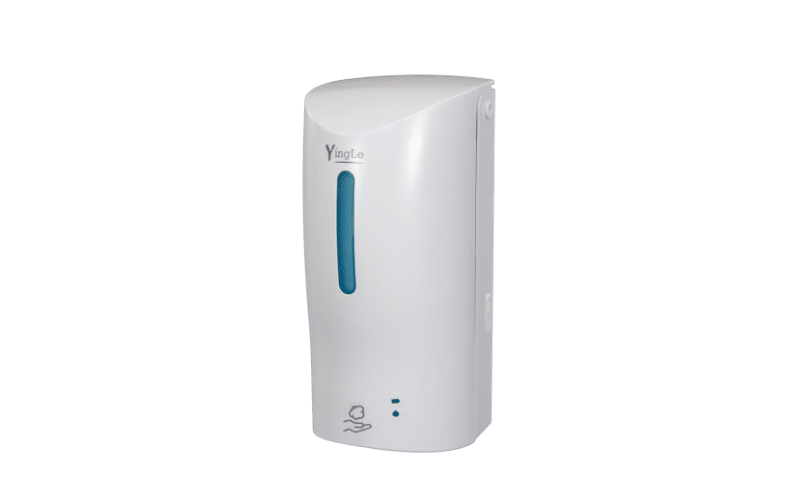


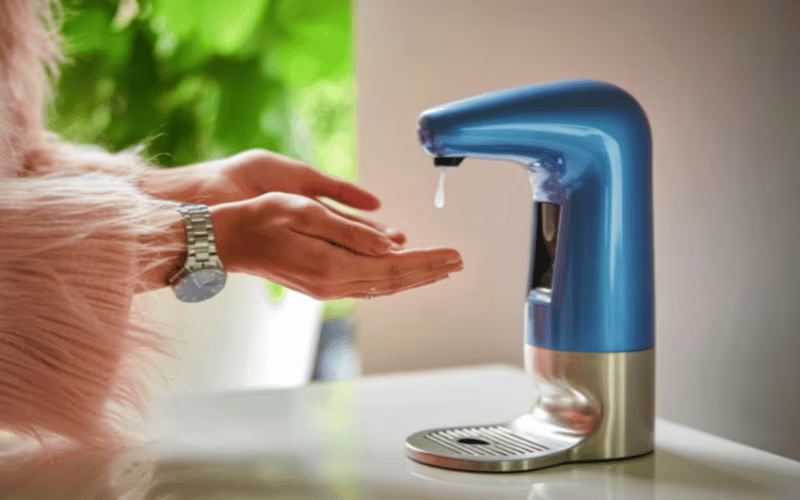
Providing clean, accessible, and highly effective hygiene solutions has become a top priority for facility managers across all commercial sectors. Automatic soap dispensers play a crucial role in maintaining these sanitary environments, offering a seamless, touchless experience that drastically reduces the spread of germs. As public awareness regarding hand hygiene continues to grow, businesses must adapt by integrating these smart dispensers into their restrooms and high-traffic areas. Beyond simple cleanliness, these modern devices elevate the overall customer experience, projecting a strong image of professionalism, care, and unwavering commitment to public health and safety.
Navigating the financial and operational strategies required to implement this technology can feel overwhelming for many facility managers. This comprehensive guide will deeply explore the various business models available for implementing commercial automatic soap dispensers, helping you make the most suitable, cost-effective choice. We will break down exactly how different approaches, ranging from loss leaders to fully funded installations, impact your bottom line and customer satisfaction. By thoroughly understanding these distinct financial models, you can strategically align your hygiene infrastructure with your overarching business objectives, ensuring a clean environment while maximizing your long-term operational efficiency.
Business Models for Commercial Automatic Soap Dispensers
1. Loss Leader Model
The loss leader model is a highly strategic approach in which businesses provide free premium soap through automatic dispensers to significantly enhance the overall customer experience. By completely absorbing the ongoing costs of soap refills, batteries, and routine hardware maintenance, the business uses top-tier restroom amenities as a subtle but powerful tool to attract and retain patrons. When visitors encounter a clean, high-tech restroom equipped with touchless dispensers, they form a deeply positive subconscious association with your brand. This heightened perception of cleanliness and luxury encourages customers to linger longer within your establishment, directly increasing their on-site dwell time and the likelihood of additional spending. While the facility manager takes on the financial burden of supplying the soap, the resulting boost in brand loyalty, positive word-of-mouth recommendations, and increased primary sales heavily outweigh the operational expenses. This model transforms a basic hygiene necessity into a compelling marketing asset, proving that exceptional restroom facilities actively drive overall business growth and secure long-term customer retention.
| Característica | Detalles |
|---|---|
| Pros | Attracts more customers and builds brand loyalty. |
| Cons | Business absorbs the cost of soap and maintenance. |
| Best Suited For | Businesses with high customer dwell times, such as restaurants or retail stores. |
2. Cost Recovery Model
The cost recovery model offers a highly practical solution for facilities seeking to provide automated hygiene amenities without bearing the full burden of ongoing operational expenses. In this scenario, the business charges a very nominal, almost invisible fee for facility usage or subtly integrates the hygiene costs into a broader membership or entry fee, ensuring the dispensers effectively pay for themselves. This strategy is highly sustainable for long-term use because it creates a dedicated revenue stream that specifically covers the regular purchase of bulk soap refills, replacement batteries, and preventive mechanical maintenance. By accurately calculating the monthly usage rates and spreading that exact cost across the customer base, the facility maintains a perfectly budget-neutral hygiene program. Facility managers can confidently install high-quality, durable automatic dispensers knowing that the investment will not drain their primary operational funds. This approach strikes a brilliant balance between providing necessary, modern amenities and maintaining strict fiscal responsibility within the organization.
| Característica | Detalles |
|---|---|
| Pros | Covers operational costs, sustainable for long-term use. |
| Cons | May deter some customers compared to free models. |
| Best Suited For | Businesses with moderate customer traffic, such as gyms or coworking spaces. |
3. Profit-Making Model
The profit-making model completely flips the traditional view of restroom amenities, transforming commercial automatic soap dispensers from a standard operational expense into a highly lucrative revenue generator. This approach is heavily utilized in premium environments where customers actively expect and are willing to pay for an elevated, luxurious experience. Businesses implementing this model typically charge a higher premium for facility access or offer exclusive, specialized skincare products in the dispensers, thereby generating significant profits well beyond basic operational and maintenance costs. For example, a high-end spa might feature automated dispensers filled with organic, artisanal soaps infused with essential oils, and incorporate the cost into its premium service packages. The key to making this model work lies in perceived value: the hardware must look incredibly sleek, and the soap provided must be undeniably superior. When executed correctly, this model not only supports luxury branding but also creates a completely new, highly profitable financial stream for the establishment.
| Característica | Detalles |
|---|---|
| Pros | Generates profit, supports premium branding. |
| Cons | May reduce customer attraction if perceived as overpriced. |
| Best Suited For | High-end establishments such as luxury hotels and spas. |
4. Fully Funded Model
The fully funded model offers an incredibly attractive, hands-off solution for businesses operating under strict budget constraints. In this innovative arrangement, specialized third-party hygiene providers agree to install, stock, and maintain the automatic soap dispensers at absolutely no upfront or ongoing cost to the host business. In exchange for providing the hardware and maintenance, the third-party company retains the right to place targeted advertising directly on the dispenser units or heavily brand the soap products used within them. This allows the host facility to immediately upgrade its restrooms with state-of-the-art touchless technology and guarantee consistent soap availability without ever touching its own capital budget. The minimal operational burden makes this an exceptional choice for cash-strapped public venues, as the third party handles all the complex logistics of inventory management and mechanical repairs. While the host sacrifices some control over the aesthetic branding of their washrooms, they gain a flawless, entirely free hygiene infrastructure.
| Característica | Detalles |
|---|---|
| Pros | No upfront cost, minimal operational burden. |
| Cons | Loss of control over branding and pricing. |
| Best Suited For | Businesses with limited budgets or those less concerned about branding. |
Costs Associated with Commercial Automatic Soap Dispensers
1. Dispenser Hardware Costs
Understanding the initial dispenser hardware costs is absolutely critical for establishing an accurate budget for your hygiene upgrade. The price of commercial automatic soap dispensers varies widely depending on the construction materials, internal sensor technology, and overall liquid capacity. Basic wall-mounted plastic models designed for low-traffic areas are the most budget-friendly option, typically ranging from $30 to $60 per unit. However, if you are outfitting a high-end corporate washroom or a heavy-duty industrial facility, you must invest in premium, vandal-resistant stainless steel models. These advanced touchless systems often feature highly sensitive infrared sensors, anti-drip valves, and even smart connectivity that alerts maintenance staff when soap levels drop, pushing hardware costs from $100 to over $300 per dispenser.
2. Installation Costs
Installation costs play a surprisingly significant role in the total financial outlay of your new automatic dispenser program. If you purchase simple, battery-operated units that mount directly to the wall using heavy-duty adhesive tape, your installation expenses will be virtually zero, requiring only a few minutes of your existing janitorial staff’s time. Conversely, complex installation scenarios dramatically drive up your initial costs. Upgrading to sleek, counter-mounted automatic dispensers often requires specialized contractors to drill precise holes into expensive granite or quartz vanity tops. Furthermore, if you opt for hardwired electrical dispensers to eliminate the ongoing cost of battery replacements, you must hire licensed electricians to safely run new wiring behind the bathroom walls, which can easily add hundreds or thousands of dollars to the total project budget.
3. Soap Refill Costs
The ongoing cost of soap refills represents the largest long-term financial commitment associated with operating commercial automatic soap dispensers. Facility managers must carefully calculate their anticipated daily usage rates to accurately project these continuous expenses. Purchasing proprietary, closed-cartridge refill systems from the original dispenser manufacturer guarantees perfect mechanical compatibility and optimal hygiene, but these specialized cartridges command a premium price that heavily inflates your annual operational budget. To combat rising costs, many cost-conscious businesses intentionally choose bulk-fill dispensers. These versatile units feature open reservoirs that allow staff to pour liquid or foaming soap directly from massive, highly economical gallon jugs. Furthermore, bulk-fill models give you the distinct freedom to source environmentally friendly, biodegradable soap alternatives from deeply discounted wholesale suppliers, drastically reducing your long-term refill costs.
4. Maintenance Costs
Properly budgeting for regular maintenance costs ensures your automatic soap dispensers remain fully operational and hygienic for years to come. While these touchless devices are brilliantly designed to minimize physical wear and tear, their internal electronics and delicate pump mechanisms require consistent attention. Routine maintenance costs primarily include purchasing large quantities of replacement batteries, which must be replaced frequently in high-traffic restrooms to prevent sensor failures. Additionally, your janitorial team must dedicate paid labor hours to thoroughly flushing the internal tubing with warm water to prevent thick soap residue from severely clogging the dispensing nozzles. Facility managers must also allocate a portion of their annual budget to purchasing replacement parts, such as new infrared sensors or internal plastic valves, to ensure swift repairs when unavoidable mechanical breakdowns occur.
Choosing the Right Business Model for Your Needs
Selecting the absolute best business model for your commercial automatic soap dispensers requires a highly meticulous evaluation of your overarching corporate goals and your specific customer expectations. Each distinct financial approach presents a unique blend of compelling advantages and notable operational challenges. The loss leader model brilliantly prioritizes massive customer satisfaction and deep brand loyalty, making it an incredible strategy for retail environments, but it demands a robust budget capable of fully absorbing ongoing refill costs. Conversely, cost-recovery and profit-making models aggressively protect your bottom line by generating direct revenue, yet they require careful implementation to ensure patrons do not feel unfairly nickel-and-dimed for basic hygiene needs. Meanwhile, the fully funded model miraculously removes all financial risk and hardware costs but forces facility managers to completely surrender control over visual branding and product quality in their own restrooms.
To make the most effective decision, business owners must critically evaluate their exact customer demographics, available operational budgets, and strict facility management priorities. If you operate an exclusive, high-end resort, implementing a profitable model featuring luxurious, branded soaps perfectly aligns with the premium experience your wealthy guests expect. However, if you manage a massive, budget-conscious public transit hub, partnering with a third-party provider for a fully funded, ad-supported model is likely the most brilliant logistical and financial move. We strongly encourage all facility managers to aggressively consult with multiple leading hygiene service providers. By engaging in these detailed discussions, you can secure highly tailored recommendations, ensuring that the business model you ultimately select flawlessly balances strict cost control with the highest possible standards of public health and commercial cleanliness.
Conclusión
Choosing the right business model for your commercial automatic soap dispensers is a critical strategic decision that determines how you balance ongoing financial costs, high customer satisfaction, and daily operational efficiency. Whether you decide to fully absorb the expenses to dramatically boost brand loyalty, implement a smart cost-recovery strategy, or leverage a fully funded third-party partnership, your chosen approach must align perfectly with your facility’s specific goals. A meticulously planned hygiene infrastructure not only protects public health but also significantly elevates the professional image of your entire establishment. We highly encourage forward-thinking businesses to actively explore these flexible and scalable solutions. By carefully selecting the perfect financial model, you guarantee long-term operational success, deeply satisfying restroom experiences, and a flawlessly clean environment that keeps your valued customers coming back time and time again.