







Cleaning work looks low-risk from the outside. You wipe, mop, scrub, and move on. But spend a shift around industrial disinfectants, sewage backups, broken glass, and slick wet floors, and the picture changes fast. The truth is that cleaning carries a stack of hazards most people never think about until someone gets hurt. Chemical burns, respiratory damage, deep cuts, and slip-and-fall injuries all show up in this line of work more often than they should.
I’ve spent years around commercial cleaning crews, and the pattern is always the same. The workers who stay healthy and on the job for decades treat their protective gear as part of their toolkit, not an afterthought. This guide breaks down the real dangers you face, the five core categories of personal protective equipment, how to match gear to specific tasks, and a starter kit you can build this week. The goal isn’t to bury you in rules. It’s to help you protect your body so you can keep working.
Why PPE Matters More Than Most Cleaners Realize
Before you can choose the right gear, you have to be honest about what you’re up against. Cleaning hazards fall into four groups, and each one calls for different protection.
Chemical exposure is the one you meet every shift. Bleach, ammonia, oven cleaners, drain openers, and floor strippers can burn skin, sting eyes, and release fumes that damage your lungs. Mix the wrong two products, like bleach and ammonia, and you create toxic gas in seconds. These chemicals don’t care how experienced you are.
Biological hazards hide in the messes you clean. Blood, mold, sewage, and human waste carry bacteria, viruses, and spores. Restrooms, healthcare rooms, and flood-damaged buildings are full of them, and a single splash in the eyes or an open cut can transmit an infection.
Physical risks come from the environment itself. Wet floors cause slips and falls, which are among the most common injuries in the trade. Broken glass and sharp metal in the trash can cut hands. Repetitive scrubbing, bending, and lifting wear down backs, shoulders, and knees over time.
Long-term dangers are the sneaky ones. Breathing chemical vapors and fine dust day after day may cause no symptoms at first, then show up years later as chronic respiratory problems. This is why protection matters even when a task feels harmless in the moment.

Here’s the principle that ties it together: gear isn’t the first line of defense; it’s the last. Whenever you can, remove the hazard, swap a harsh chemical for a milder one, or improve ventilation first. When the risk remains after all that, PPE is what stands between the hazard and your body. Start every unfamiliar task by asking one question: what could hurt me here, and what do I need to wear to stop it?
The Five Core Categories of Cleaning PPE
Almost every piece of protective gear falls into one of five groups. Get comfortable with all five, and you can build the right setup for any job.
1. Eye and Face Protection
Your eyes are constantly exposed to splashes, sprays, and airborne particles, and eye injuries can happen in a blink. Two levels of protection cover most cleaning work.
Safety glasses guard against flying debris but leave gaps around the sides and top. Sealed goggles do more: they form a splash-proof barrier around your eyes, which is what you want when mixing chemicals, spraying disinfectant, or handling anything caustic. If liquid could splash, reach for goggles, not glasses.
For heavy chemical work, add a face shield over your goggles. A shield protects your whole face when you’re pouring concentrates, running a high-pressure sprayer, or cleaning a grease trap. Remember that a face shield goes over goggles, never instead of them, since a shield alone still lets splashes reach your eyes from underneath.
When you buy, look for the ANSI Z87.1 marking, which confirms the eyewear meets impact and splash standards. Anti-fog coating is worth the small extra cost because fogged-up lenses get pushed onto your forehead, and gear on your forehead protects nothing.

2. Respiratory Protection
This is the category cleaners get wrong most often, usually by assuming a dust mask handles everything. It doesn’t.
A single-use dust mask stops large particles, and that’s all. It does nothing against chemical vapors, fumes, or gases. An N95 respirator seals better and filters out fine particles like mold spores and dust, making it useful for dusty jobs and mold cleanup. But an N95 still won’t protect you from chemical vapors.
When you’re stripping floors, using solvent-based cleaners, or working in a poorly ventilated space, you need a half-face or full-face respirator fitted with organic vapor cartridges. The cartridge has to match the hazard, so read the chemical’s safety data sheet and choose the right filter. For sewage, heavy contamination, or serious mold jobs, step up to P100 filters. In healthcare settings, follow the facility’s respiratory policy, which often requires N95 or higher.

One rule makes or breaks respiratory protection: the seal. A tight-fitting respirator only works if it seals to your face, which is why OSHA requires fit testing for them in the workplace. Facial hair breaks the seal. Replace cartridges on schedule and store respirators in a clean, sealed bag, away from chemicals and moisture, so they’re ready next time.
3. Hand and Arm Protection
Your hands touch every chemical and every mess, so glove choice deserves real thought. The material has to match what you’re handling.
- Nitrile is the everyday workhorse. It resists many common cleaners, maintains dexterity, and is latex-free, so it helps avoid allergy problems.
- Neoprene handles acids, caustics, and alcohols well, making it well-suited for industrial-strength cleaning.
- Butyl rubber protects against ketones and esters found in some paint removers and specialty solvents.
- PVC is tough for heavy-duty work but trades away flexibility.

Thickness matters too. Thicker gloves in the 14-to-18-mil range give more chemical resistance but reduce your feel, so match the thickness to the risk. When handling broken glass, sharp metal, or construction debris, wear a cut-resistant liner rated at ANSI cut level 3-5 under your chemical gloves. Some gloves combine both in one.
Glove length is a quick decision people skip. Short cuffs are fine for surface cleaning, while extended gloves up to 18 inches protect your forearms when reaching into drains, vents, or laundry equipment. Before committing to a glove for a specific product, check the manufacturer’s chemical compatibility chart.
The common glove mistakes are easy to avoid once you name them: don’t reuse disposable gloves across different tasks, don’t wear loose gloves that slip and expose skin, and don’t ignore warning signs of breakdown, such as swelling, discoloration, or a tacky surface. A degraded glove is worse than no glove because it gives false confidence.
4. Foot Protection
Wet floors are a constant reality of this job, making slip-resistant footwear non-negotiable. The outsole is what counts. Deep tread channels water away and grips, while a worn flat sole turns a mopped hallway into a fall waiting to happen. Buy shoes with a real slip-resistance rating, then test them on your own floors, not just the store carpet. Waterproof or water-resistant uppers keep your feet dry through hours of mopping and scrubbing.
In warehouses, industrial sites, and construction cleanup, add a safety toe. Composite toes weigh less than steel and don’t conduct cold or electricity, which most cleaners prefer for all-day comfort. Puncture-resistant soles matter when you’re stepping through debris that hides nails, staples, or glass.
For specialized work, match the gear to the mess. Rubber overboots or waders are appropriate for flood cleanup and sewer work. For everyday cleaning, durable waterproof work pants and good shoes cover you.
5. Body and Skin Protection
Your clothing is not chemical protection, so cover it when the job gets messy. A reusable rubber or PVC apron shields your torso when mixing chemicals, loading sprayers, or handling concentrates, and it wipes clean at the end of the shift. For jobs that throw off heavy dust or spores, like mold work, disposable coveralls made from SMS or Tyvek keep contaminants off your body and out of your street clothes.
If any of your work takes place near traffic, such as in parking lots or during roadside cleanup, wear a high-visibility vest that meets ANSI Class 2 or Class 3, and pair it with good lighting for early or late shifts. Whatever reusable body gear you own, wash it separately from household laundry, inspect it regularly for cracks or thinning, and follow OSHA guidance for any gear soaked in hazardous chemicals.
Matching PPE to the Task
The right gear changes with the job. Here’s how the five categories come together for the tasks cleaners actually do.
General surface cleaning and disinfecting. Nitrile gloves, safety glasses, and slip-resistant shoes cover the vast majority of routine work. When you’re spraying disinfectant in an occupied or stuffy room, add a face shield and consider a light respirator if you’re fogging for a long stretch.
Restroom and sanitary cleaning. Restrooms combine harsh chemicals with biological hazards, so step up your protection. Use chemical-resistant gloves rated for your specific disinfectants, and wear goggles or a face shield against splashback from bowl cleaners and descalers. If you’re using chlorine-based products in a sealed, poorly ventilated restroom, add respiratory protection.
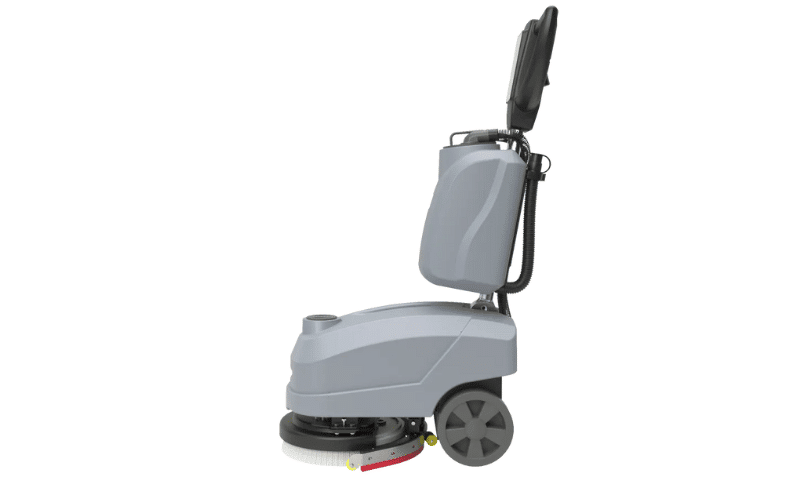
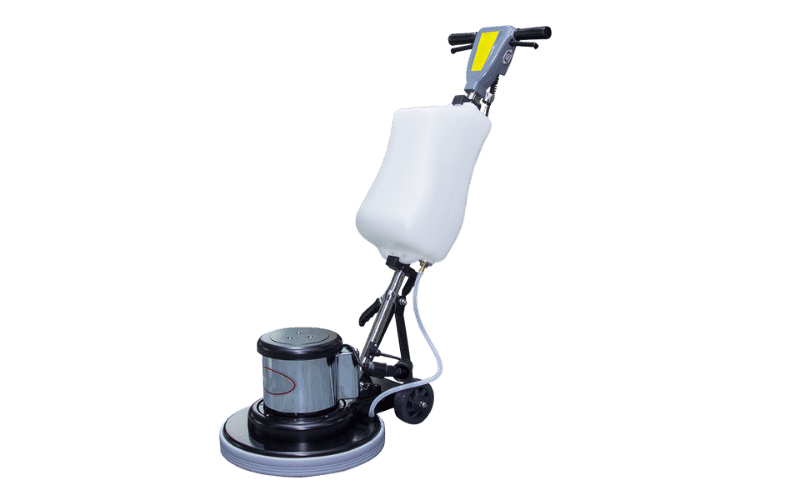
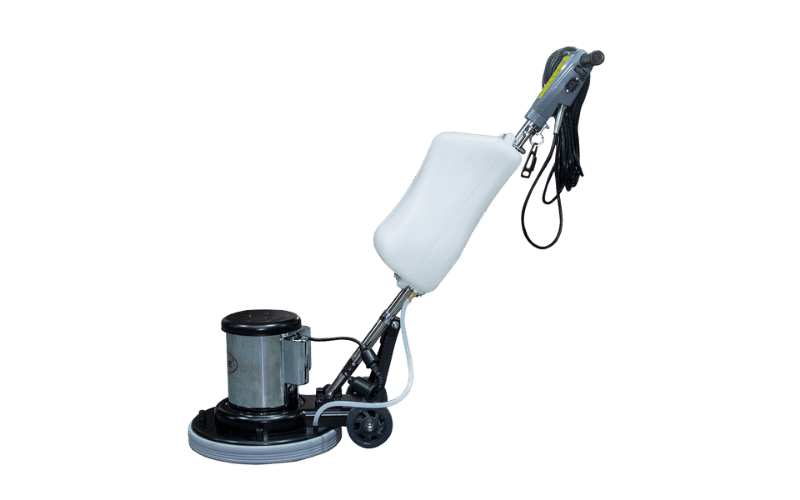
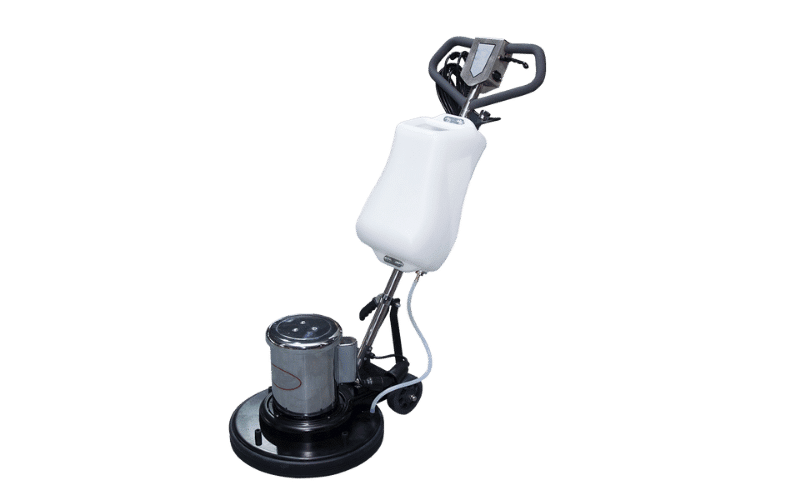
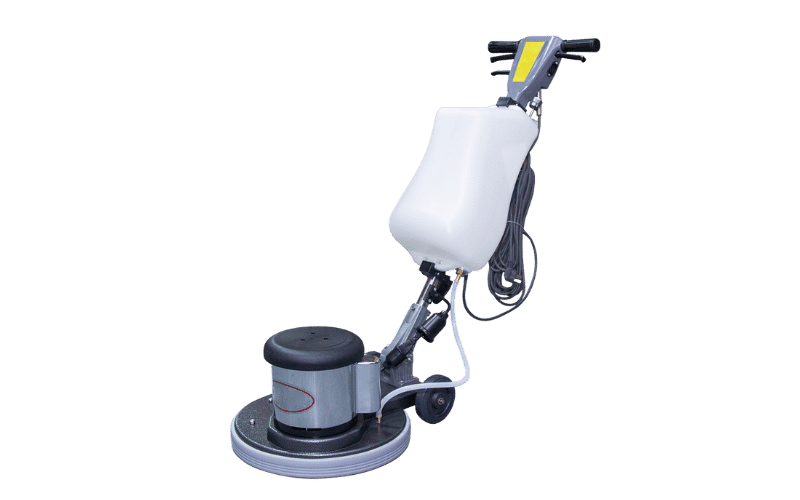
Floor stripping, waxing, and buffing. This is one of the more hazardous routine jobs. Floor strippers are caustic and emit strong fumes, so wear chemical-resistant gloves, goggles, and a respirator with organic vapor cartridges, not just a dust mask. Ventilate the space as much as you can. Running powered equipment adds another risk most people overlook: noise. Extended time behind a floor scrubber or a high-speed floor buffer can call for hearing protection, and the wet floor left behind makes your slip-resistant shoes essential. If you run a battery walk-behind floor scrubber, keep gloves and eye protection on when you check or top off the batteries, since battery acid burns.
Mold remediation. Mold demands respiratory protection, at minimum an N95, and a half-face respirator with P100 filters for larger jobs. Add full-body disposable coveralls, a head cover, and boot covers to prevent you from tracking spores through the building. Sealing glove and sleeve seams with tape keeps spores out of the suit.
Pressure washing and exterior work. High-pressure water blasts debris back at you, so wear safety glasses with side shields or a full face shield. Use heavy-duty waterproof gloves with real grip to control the wand, and steel- or composite-toe boots for footing around heavy equipment. Gas-powered units are loud enough to need hearing protection.

Facilities with strict hygiene standards raise the bar further. If you clean healthcare and educational facilities, expect protocols that add gowns, shoe covers, and higher-level respirators, along with disposable PPE to prevent cross-contamination between rooms.
Your Starter PPE Kit
If you’re building protection from scratch, start here. This kit covers most everyday cleaning safely, and you can add specialized gear as specific jobs require.
- Two pairs of chemical-resistant gloves that fit correctly, so one is always clean and dry while the other is in use.
- Safety goggles with anti-fog coating, marked ANSI Z87.1, for splash protection you’ll actually keep on.
- Slip-resistant work shoes with good tread and arch support, since you’re on your feet all day.
- An N95 respirator for dusty jobs and light particle protection, plus a half-face respirator with the right cartridges if you handle solvents or strip floors.
- A reusable chemical apron for mixing and handling concentrates.
- Knee pads if your work includes a lot of floor and detail cleaning.
A few habits keep the kit working. Store your gear in a dedicated bag or backpack so it stays clean and ready between jobs. Keep used PPE separate from clean PPE to avoid cross-contamination. Label your personal gear with your name, and always keep a few spares on hand so no one skips protection just because a glove tore mid-shift.
Frequently Asked Questions
How often should I replace my chemical-resistant gloves?
Disposable gloves are single-use, so change them between tasks and toss them the moment you finish or notice any tear. Reusable gloves last longer but still wear out. Inspect them before each use and replace them as soon as you see swelling, discoloration, stiffness, or a tacky surface, as these are signs that the chemical is breaking down the material. When in doubt, throw them out. A compromised glove offers less protection than you think.
Can I use regular dishwashing gloves for cleaning with bleach?
For occasional light contact, household gloves handle diluted bleach reasonably well. But they’re thin, they aren’t rated for many industrial cleaners, and they break down faster than proper chemical-resistant gloves. For regular or professional cleaning, use nitrile or neoprene gloves rated for the specific products you’re using. Check the chemical compatibility chart rather than assuming any glove works with any product.
Do I really need a respirator to clean a moldy bathroom?
For a small patch of surface mold in a well-ventilated bathroom, an N95 and good airflow are usually enough. For larger areas, hidden mold, or anytime you’re disturbing growth that releases spores into the air, wear at least an N95 and consider a half-face respirator with P100 filters. Add gloves and eye protection too, since mold cleanup often involves harsh chemicals. When the job is big or the mold keeps coming back, bring in a remediation professional.
What’s the difference between an N95 mask and a respirator with cartridges?
An N95 filter filters out fine particles like dust and mold spores, but it does nothing to protect against chemical vapors and gases. A cartridge respirator uses replaceable filters matched to specific hazards, so with organic vapor cartridges it protects you from solvent fumes and stripping chemicals that an N95 can’t touch. The simple rule: N95 for particles, cartridge respirator for chemical vapors. Match the protection to what’s actually in the air.
How do I stop my safety goggles from fogging up during long shifts?
Start with goggles that have an anti-fog coating, which solves most of the problem. Beyond that, improve airflow where you can, and choose indirect-vent goggles when the splash risk is low, since the vents reduce condensation while still blocking splashes. Wiping lenses with an anti-fog product also helps. The reason this matters is simple: fogged goggles get pushed up onto the forehead, and eyewear that isn’t over your eyes protects nothing.
Is it safe to reuse a respirator across different job sites?
The respirator body is reusable, but the cartridges and filters have a limited life based on use, contaminant levels, and the manufacturer’s schedule. Replace them on time, don’t stretch them past their rating, and never share a tight-fitting respirator between workers without cleaning and a proper fit. Between jobs, store it in a clean, sealed bag away from chemicals and moisture. Handled this way, one respirator safely serves you across many sites.
The Bottom Line
Cleaning carries real hazards, and the right protective gear is what lets you do this work for years without paying for it with your health. No single setup fits every job, because the danger shifts with the chemicals, the mess, and the environment. That’s why the smart approach always starts with a quick hazard check: name what could hurt you on this task, then wear the gear that stops it.
Your move this week is simple. Pick one task you do all the time, find the weakest link in your current protection, and upgrade it with a certified, task-appropriate piece of gear. Maybe that’s swapping thin gloves for the right chemical-resistant pair, or finally getting goggles that don’t fog. Small upgrades add up, and every one of them keeps you safer on the very next shift.